Why Some Ukrainian Soldiers Joined the Russian Army – Inside a PoW Camp
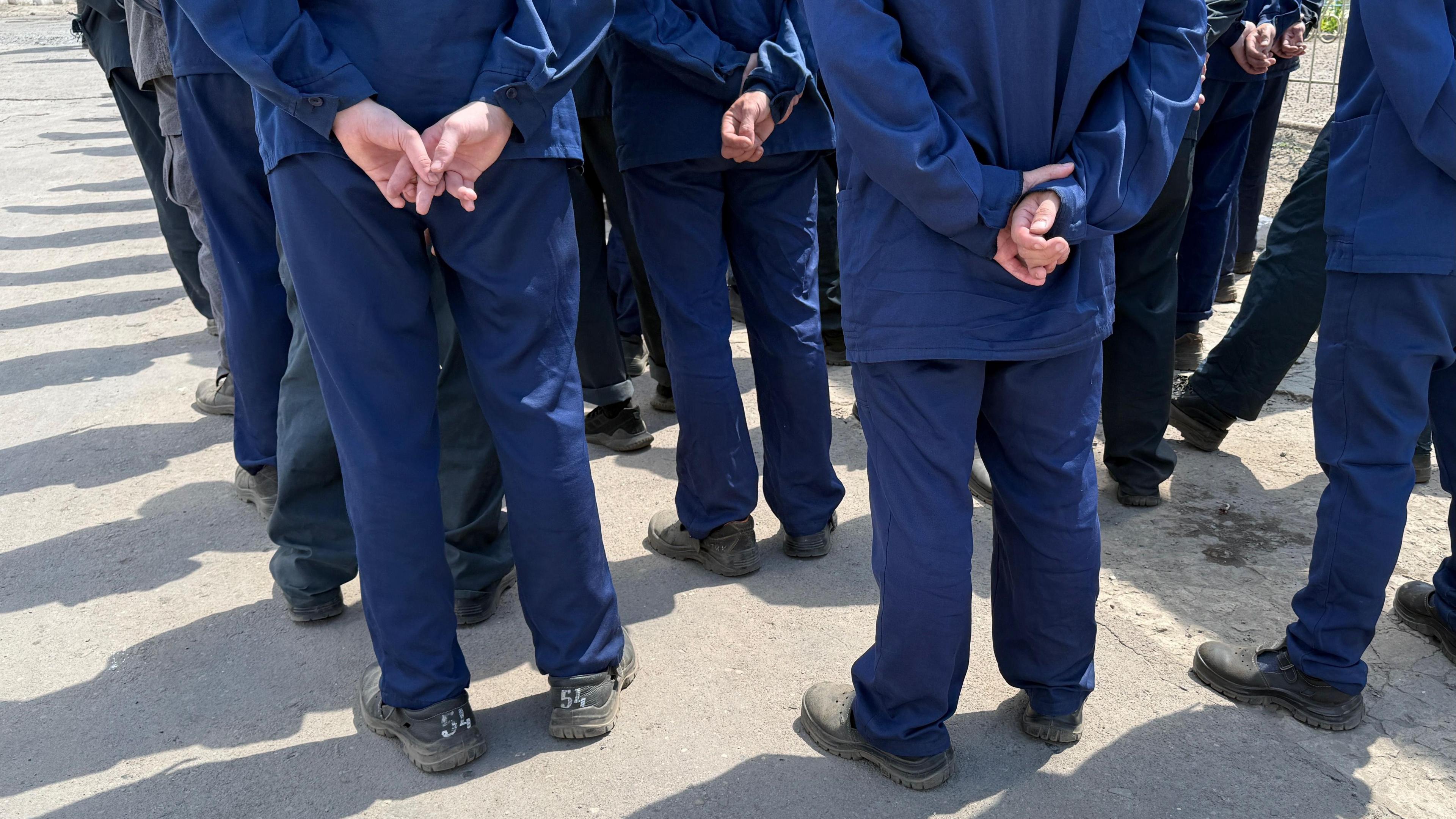
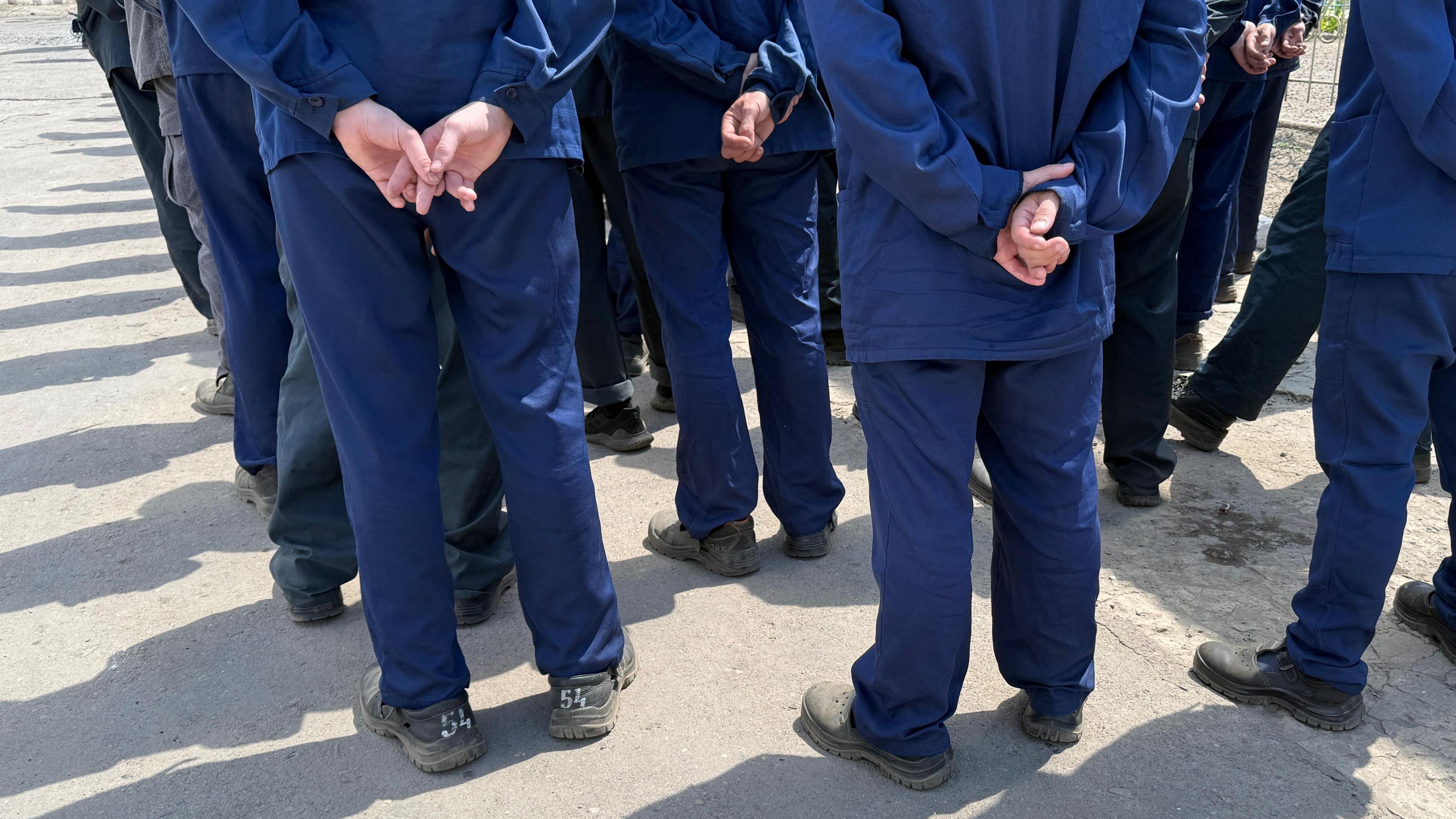
Behind high walls in a Western Ukrainian prison campus sits a cluster of men, all of whom once wore the Ukrainian flag. Many came from big Russian cities, while others grew up in the Donbas area, now under Russian control. In a quiet corner of the yard, reporters spoke to them in Russian, away from guards and cameras.
The group includes Anton, who turned 18 when Russia’s invasion reached his hometown. He says he fought without regret, believing he defended his land. Another man, Artyom, has spent months in the camp under a hospital bed; his bolstered salary stands beside his injuries. Both feel their national identity is blurred, though Anton insists he is “Russian” and that his family live there.
Most of these soldiers signed up voluntarily, but some remained skeptical. One prisoner from Donetsk mentions that when Russians entered, he stayed with his family to keep them safe and never intended a front‑line life. A handful even admit they joined mainly to avoid being imprisoned for longer than 15 years.
The camp’s daily routine is a mix of survival and subtle defiance. Prisoners work in workshops that produce coffins for next‑generation casualties and bright artificial Christmas trees. Their earnings finance extra food and cigarettes, though the food portion they receive is still sparse. In the dining hall, a looped video debunks Russia’s claims to Crimea, yet it feels like background noise amid the conversations about war and identity.
Union of the Ukrainian side uses these prisoners as leverage to recover its soldiers, but the men from the Donbas are often low on the list for exchange. One prisoner complained that only a dozen were transferred this year. The conflict continues to shape their lives, with many unsure of how long the war will last or if it will ever stop.
These stories reveal how war forces people into roles that blur borders, identities, and long‑term loyalties. The reality inside a PoW camp is far from simple, and the human voices captured here remind us that the day‑to‑day struggles of those caught in war are deeply personal and complex.