In brief
A curfew of unexplained drone and fire incidents has turned Europe’s defence factories into a hot spot. Starting with a bomb‑laden drone at Leipzig airport, attacks have spread to Bulgaria, Italy, Estonia, Slovakia and Poland, all hitting key military suppliers. Germany accused Russia, while other countries probe whether the blasts are accidental or waged by hired saboteurs. Experts say the pattern signals a new escalation and the Kremlin’s attempt to pressure allies into backing down from supporting Ukraine. Detect the trend and learn how the incidents could contain an even bigger threat to NATO and European security.
The spark that set Europe ablaze
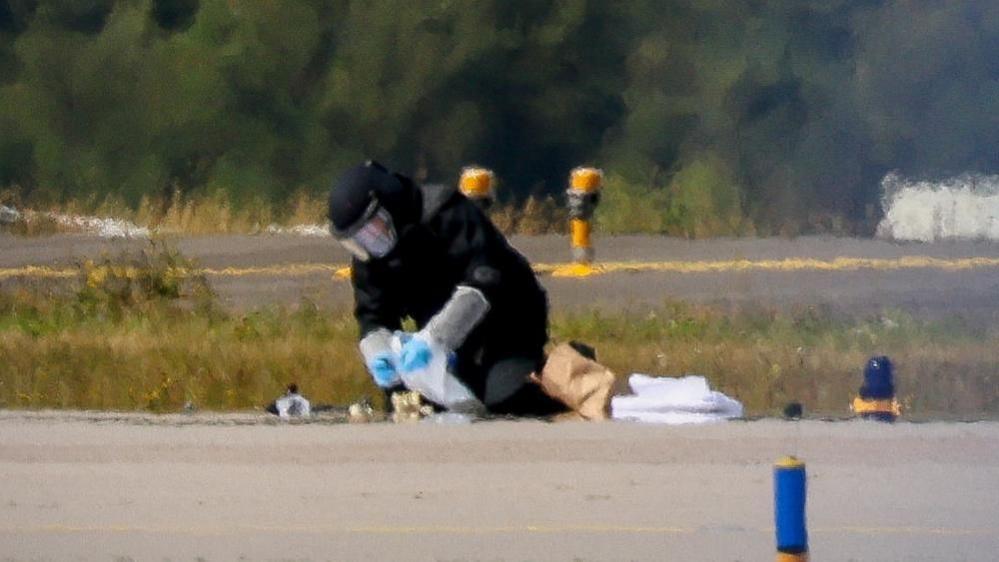
On 4 August a package‑merch‑style drone landed at Leipzig airport and sparked a chain reaction of attacks that has now reached at least eight European countries. The drone, filled with explosives, was only the first act of a coordinated series of sabotage moves aimed at defence giants and military suppliers.
Germany’s interior minister blamed Russia, and critics say the pattern represents more than random vandalism – it feels like a pressure play against allies who are backing Ukraine.
August campaign in quick‑points
- 4 August – Leipzig, Germany: a drone triggers a mystery explosion.
- 10 August – Bulgaria: a warehouse of the Defence company EMCO catches fire.
- 13 August – Italy: an ammunition plant near Rome explodes.
- 15 August – Estonia’s Milrem Robotics factory goes up in flames.
- 25 August – Slovakia: a Ukrainian‑owned drone factory nearly overwhelms with a fire.
- 30 August – Poland: arson at a helicopter‑parts factory and a second attack at a drone producer.
- Early September – Munich: two Bulgarians arrested in an arson plot on a German defence firm; police hunt a climate extremist spraying power‑substations.
Who’s behind it?
The majority of incidents point to Russian proxy operatives – people hired from the former Soviet space, recruited online for the cash and left to do the dirty work. In the Leipzig case, however, investigators think real Russian nationals may have been involved, hinting that Moscow wants precision and success.
Why should you care?
These attacks signal a new escalation tactic that could push NATO into a higher‑stakes security mode. If a parcel fires in mid‑air or a drone crashes a plane, the spill‑over could turn into a major incident that tests Europe’s collective response capacity.
The military can act now: identify the trend, tighten security at key sites and gather evidence against the saboteurs. The story is still unfolding, and the more you know, the better you’re prepared to answer the call.
Join SnapScope’s “Spot the Pattern” challenge – spit out your own timeline and get points when your guess hits a real attack. Let’s keep the spotlight on incidents before they become headlines!