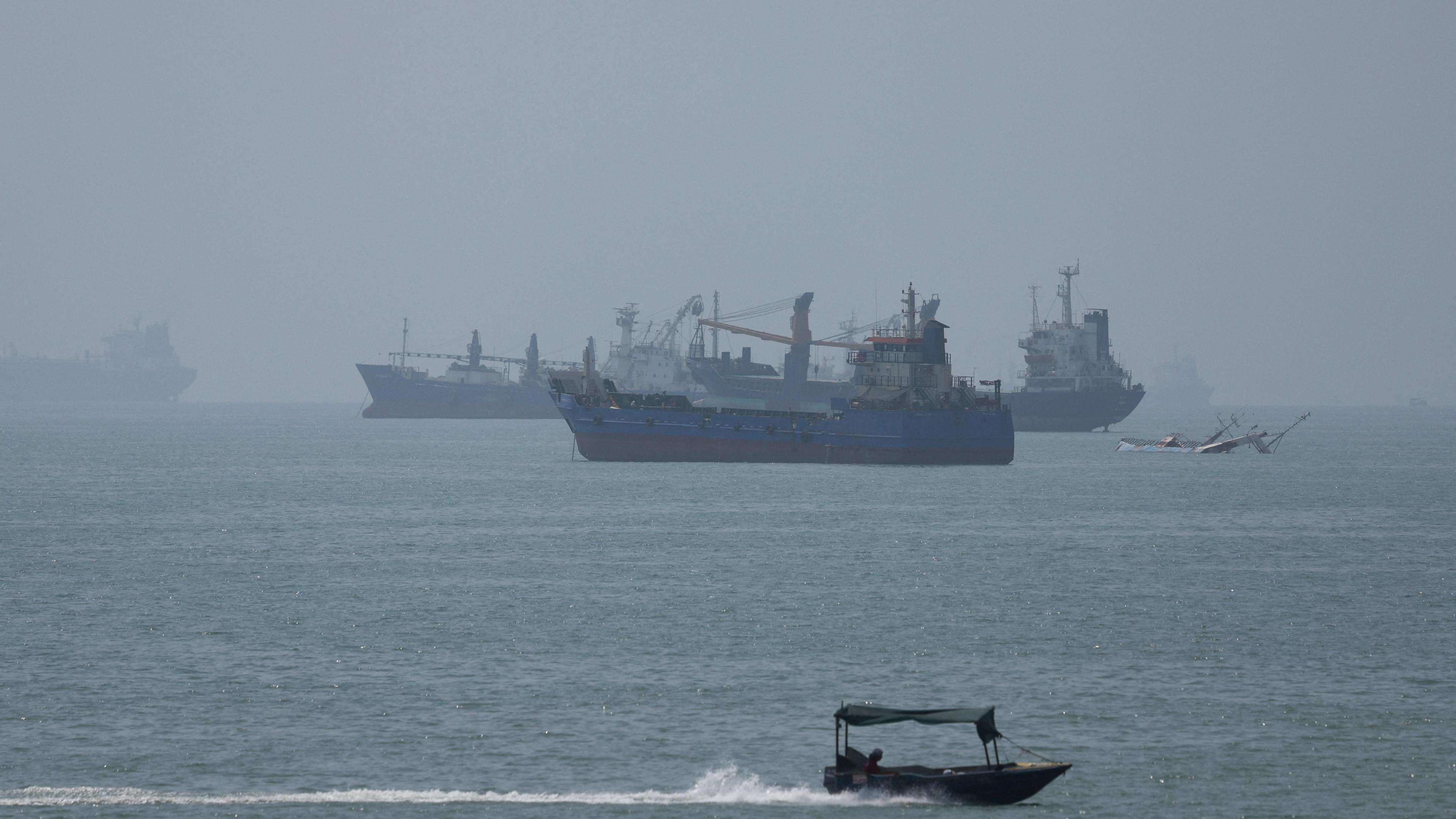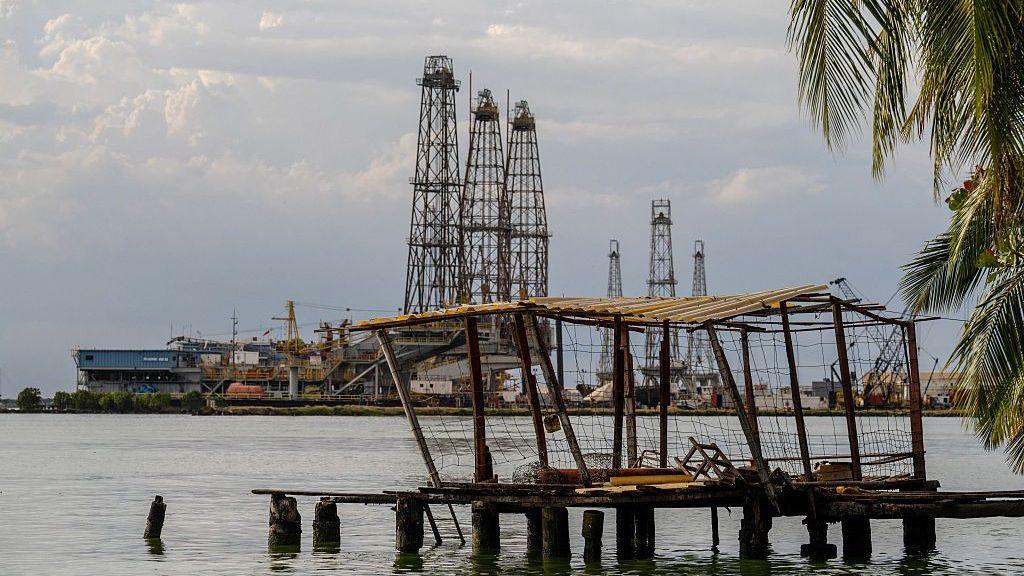

The stretch of road that once buzzed with farmers now sounds silent after Israeli bombs. A lone checkpoint in Naqoura marks the last trace of Lebanon’s state where soldiers stand behind concrete walls. Superimposed on a map, Israeli flags line the border, signaling an expanding occupied zone.
For the Shia community that supports Hezbollah, this place was a hotbed of conflict. Israel is building a “security zone” against rocket attacks, yet the area feels more like a fortified base than a safe space. The UN, through its Finnish troops, escorts civilians along roads that stay quiet under heavy guard.
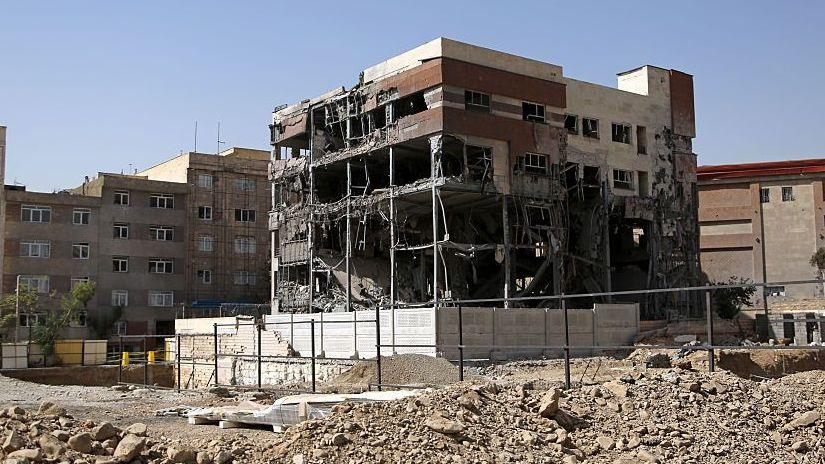
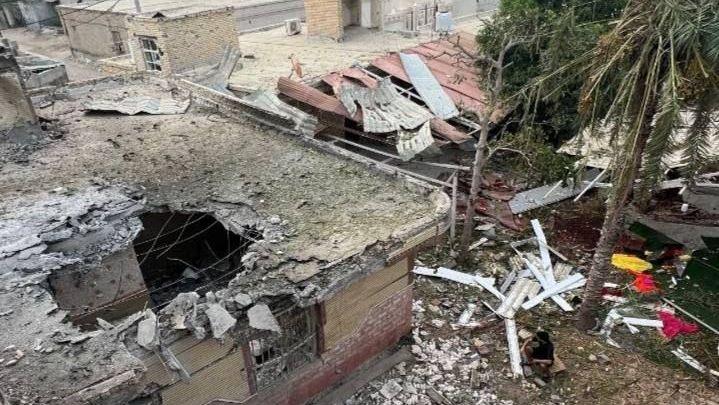
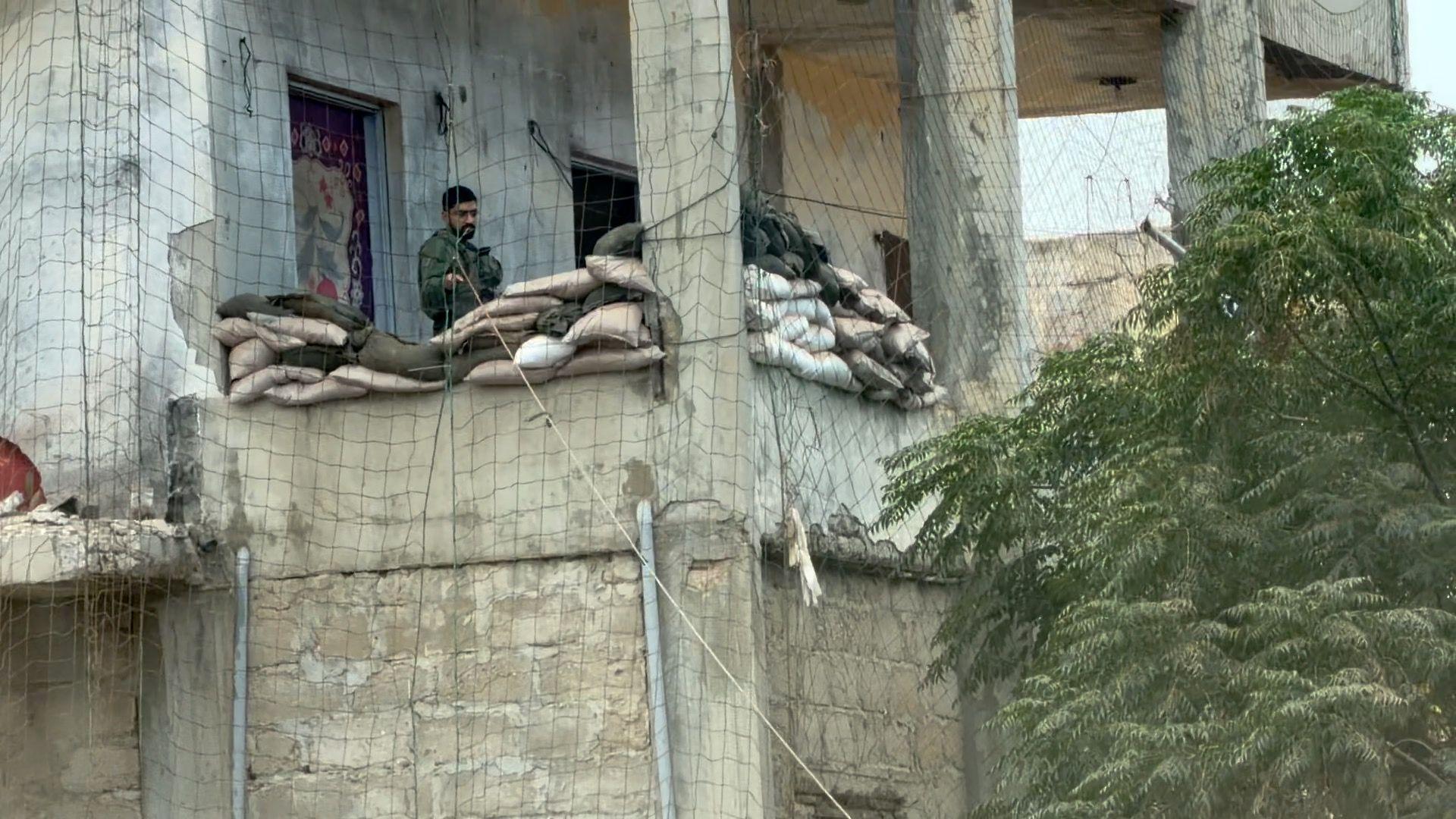
The UN convoy passes nearby villages that have been demolished in recent air strikes. Military convoy cars streak past, and drones buzz overhead, while Israeli soldiers file through homes that are sealed by nets to guard against Hezbollah drones.
Israel has fired on the area even after a ceasefire, demolishing houses and preventing residents from returning. The country claims it fights immediate threats, but many say these are strategic moves to keep control. The Lebanese government demands Hezbollah’s disarmament, which is blocked by the group’s insistence on a full withdrawal before talks begin.
With elections looming, the future of this contested zone looks uncertain—military bases expand, civilian life shrinks, and the line between occupation and cooperation blurs.