In brief
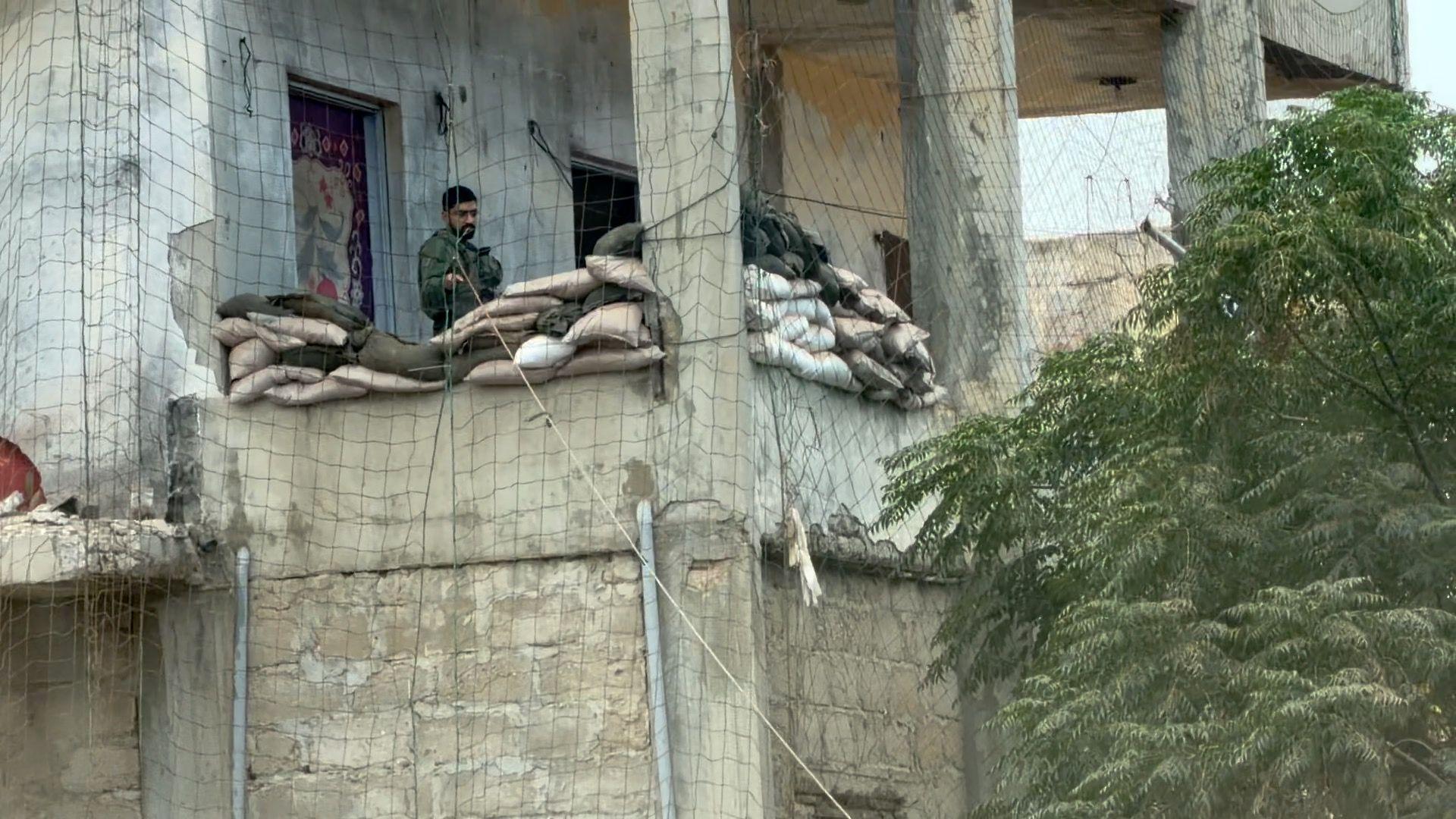
An Israeli military control line has carved itself through southern Lebanon, 9 new bases now stand on 5% of the country’s territory. BBC crews shadow a UN convoy that inched past villages and into a zone where Israeli forces lay out protective netting over civilian homes. The conflict fuels a humanitarian crisis, with thousands displaced and the Lebanese army gripping a fragile ‘pilot zone’ while Hezbollah resists disarmament. As Israel prepares for a long‑term presence, civilians on both sides dread an extended blockade and loss of homes.
The Road to No‑Man’s Land
Beneath the Mediterranean coast, the highway that once carried tourists runs now beside a line of white‑and‑red Lebanese flags and Israeli battle‑fields. In the dead‑quiet stretches the crops lie abandoned, and dozens of buildings are broken‑up shells from air strikes.
From checkpoints to checkpoints
A Lebanese military checkpoint at Naqoura still stands the only sign of state in the area, but a dozen Israeli flags flutter a short distance south—an unmistakable cue that the zone is now occupied. The Israeli forces keep a concrete wall behind which soldiers are posted, and the road itself is empty.
Hezbollah’s turf and the UN’s holds
The region is the thick‑shaded heartland of Lebanon’s Shia community, the very support base of the Iranian‑backed militia Hezbollah. In March, after the killing of the Iranian leader, Hezbollah fired rockets into Israel, provoking an 18‑month war that left thousands of Lebanese displaced.
Last month, a BBC crew joined a United Nations force—Unifil—in an accidental but rare humanitarian detour. They crossed a long route that was guarded by Israeli troops and watched how 12 soldiers escort Christians out of a town that had mostly been spared from attacks.
Expanding a security zone
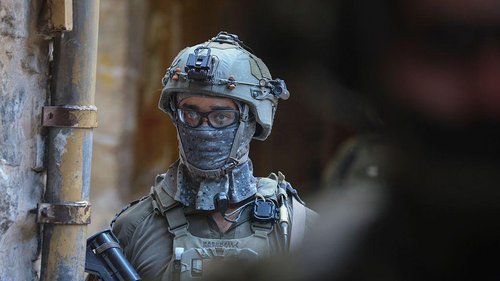
Israel says it is building a “security zone” to shield northern Israelis from Hezbollah drones. Its Defence Minister ordered a “long‑term presence” as a “security measure” as the war‑like infrastructure brightens the strip that now touches 5% of Lebanon.
Four new bases have been installed since the ceasefire, raising the number to nine. UN spokespeople note heavy fortifications, engineering work and civilian demolitions that mirror what happened in Gaza.
A frozen future or a falling out?
The Lebanese army has detected roughly 5,000 violations from Israeli air raids and drone strikes, which too often privilege Pakistani militants, as helicopters patrol the same territory. Whether the occupying forces will retreat is tied to Hezbollah’s disarmament—a demand the group rejects, refusing to surrender until an Israeli withdrawal.
For the local communities, the “pilot zones” promise a future where the Lebanese army might return, but a European diplomat warns that the situation feels nothing more than a “Gaza‑style entrenchment.” With elections looming, the window for change remains closed for now.