In brief
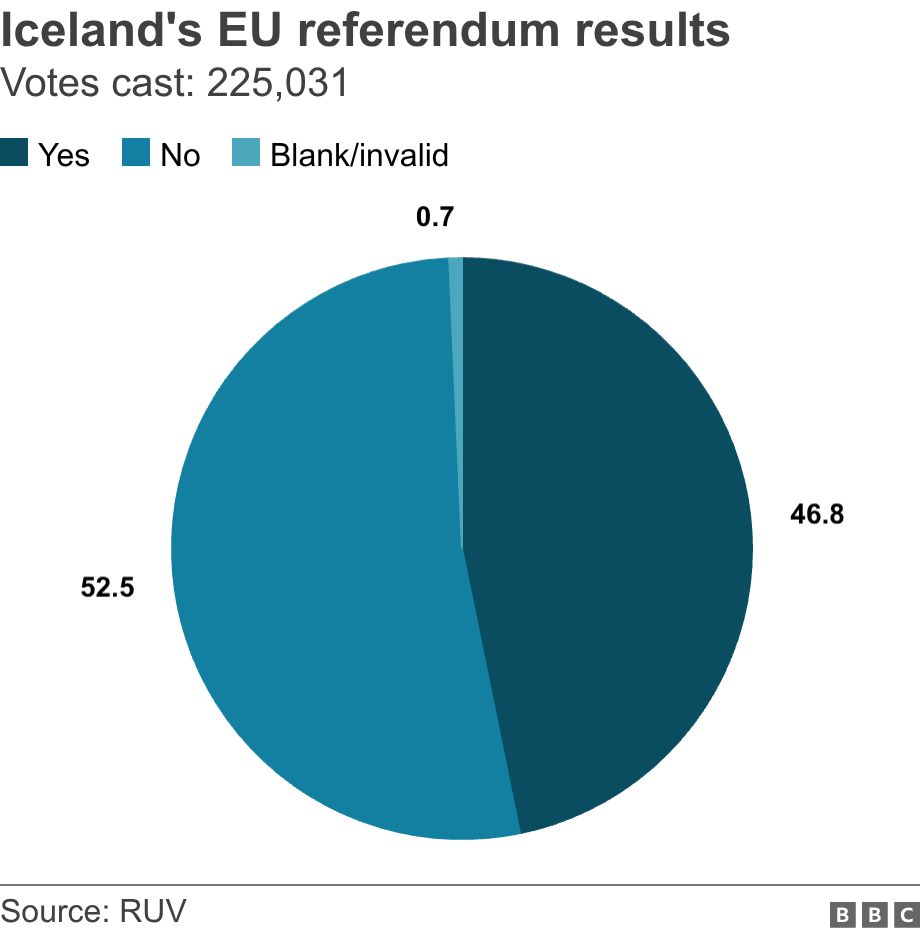
On August 29, Iceland held a referendum on whether to resume talks with the EU. A slim majority of 52.8% voted "No", meaning the country will stay outside the bloc for the time being. 82.5% of the nearly 225,000 voters turned out, the highest turnout since 2009, with Reykjavik favouring a “Yes” while rural voters were firmly opposed. Iceland already serves in the EU’s single market and Schengen area; full membership would bring it into the customs union and eurozone—and potentially the EU’s defence system. The debate largely centered on preserving fishing rights, a key export industry, and a sense of national independence rather than security. Politicians say they will not revisit the issue while in office, but a second referendum is planned for 2027.
Iceland votes No to restarting EU talks again.
Vote split: 52.8% No vs 47.2% Yes.
Iceland held a referendum on Saturday to decide whether to restart negotiations with the European Union. The result was clear: 52.8% of the 225,000 voters chose "No," keeping Iceland out of the EU for now.
It was a highly‑turnout election, with 82.5% of eligible voters—about 225,000 people—casting ballots, the highest share since 2009.
Iceland is already part of the EU’s single market and Schengen free‑movement zone. A full membership would mean entry into the customs union and, eventually, the euro‑zone, giving the country extra trade and policy power.
But the biggest stumbling block has always been fishing. Iceland’s sea‑food trade accounts for about 40% of its exports, and many voters feared that EU rules would force them to cut back on the amount they can catch.
The vote split largely mirrors geography: the capital, Reykjavik, leaned toward "Yes," while rural areas voted strongly "No." This divide shows the tension between urban economic interests and rural conservative values.
Security also came up in talks—Iceland has no standing army and relies on NATO allies, but joining the EU would grant access to the bloc’s joint defence infrastructure. Marine and trade defence experts said the EU’s perceived failure to sell itself as a security bloc was a factor in the outcome.
Prime Minister Kristrún Frostadóttir said the issue would not be revisited while her government is in power, but a second referendum is planned for 2027.
European leaders reacted: Nigel Farage praised Icelanders' decision to “keep their independence,” while Marine Le Pen pointed out that the EU is not the default path for all European democracies.
In the end, Iceland’s voters guardian of fishing traditions, national pride and regional identity influenced whether the country moves forward with EU talks.