The United States confirmed that a service member died after an Iranian drone strike in the northern part of Iraq on Saturday, the day after a separate attack on a Jordanian air base had wounded two US soldiers and left one missing.
Armed Forces Central Command said the death occurred during a controlled detonation of unexploded ordnance from an Iranian attack drone that crashed near the base. A second US service member was injured in the incident.
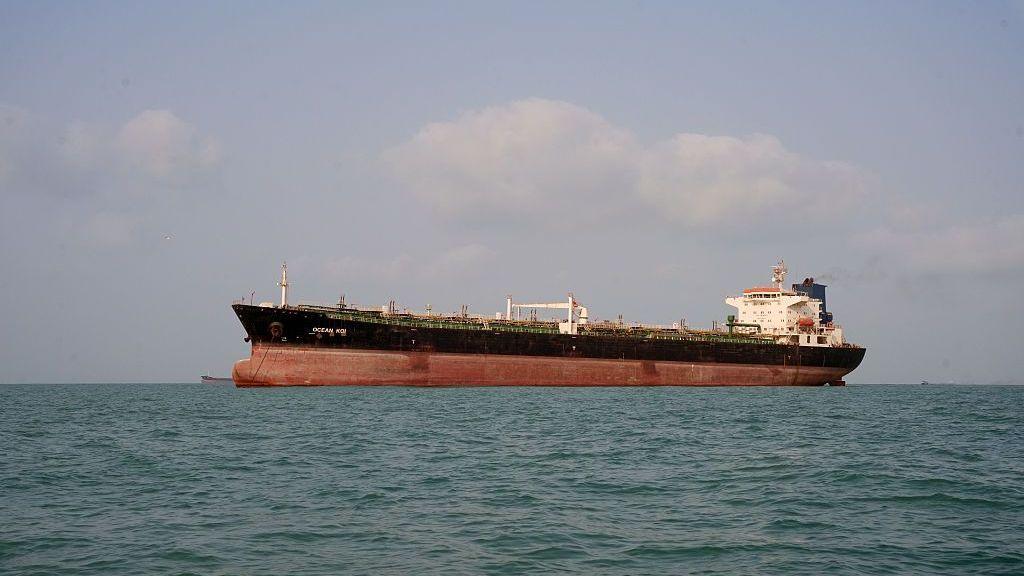
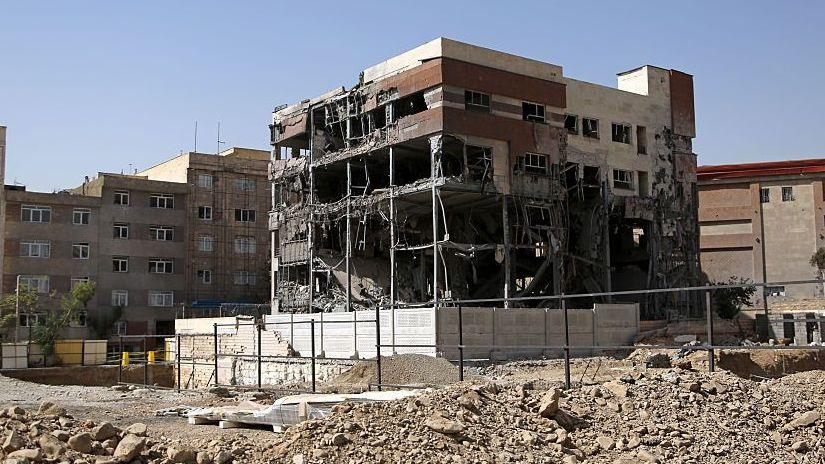
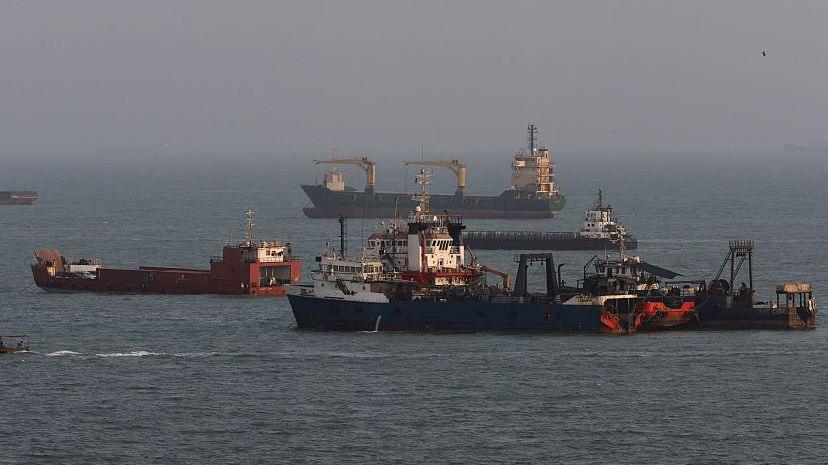
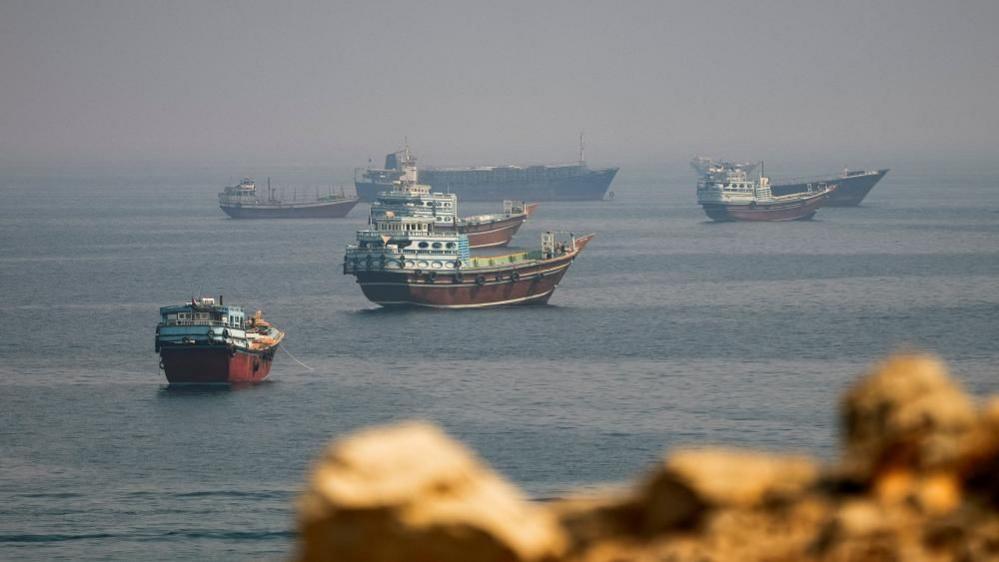
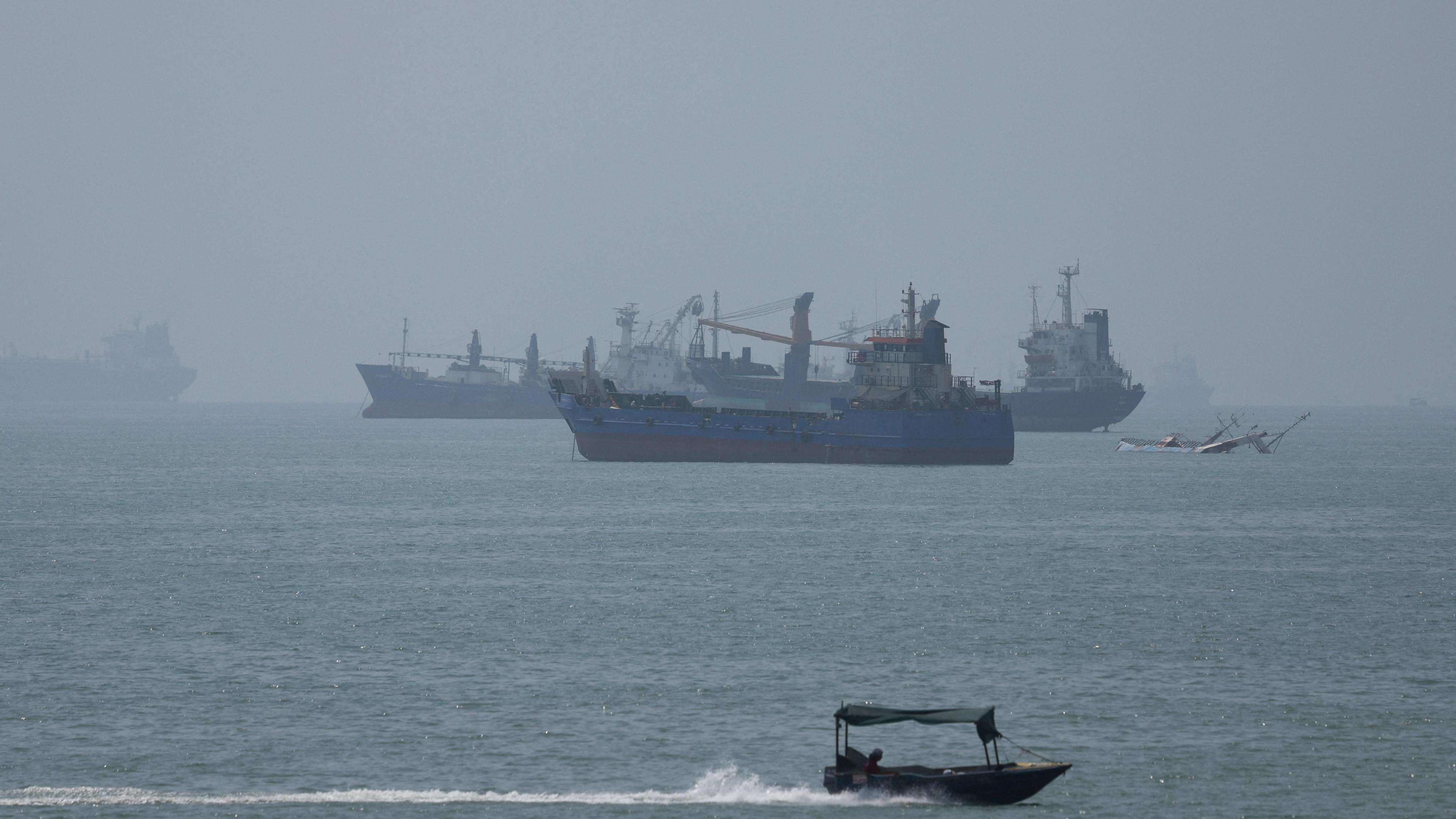
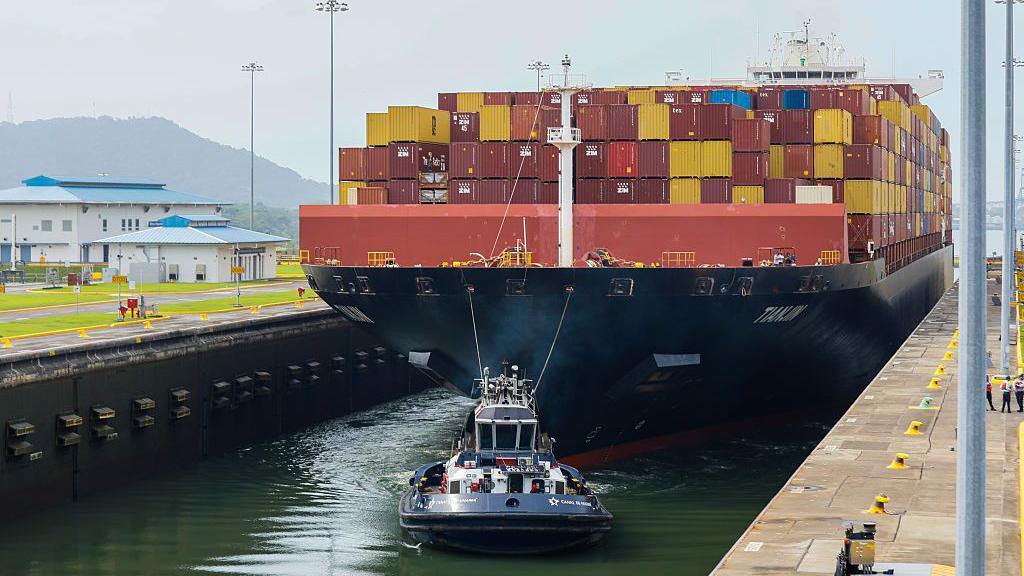
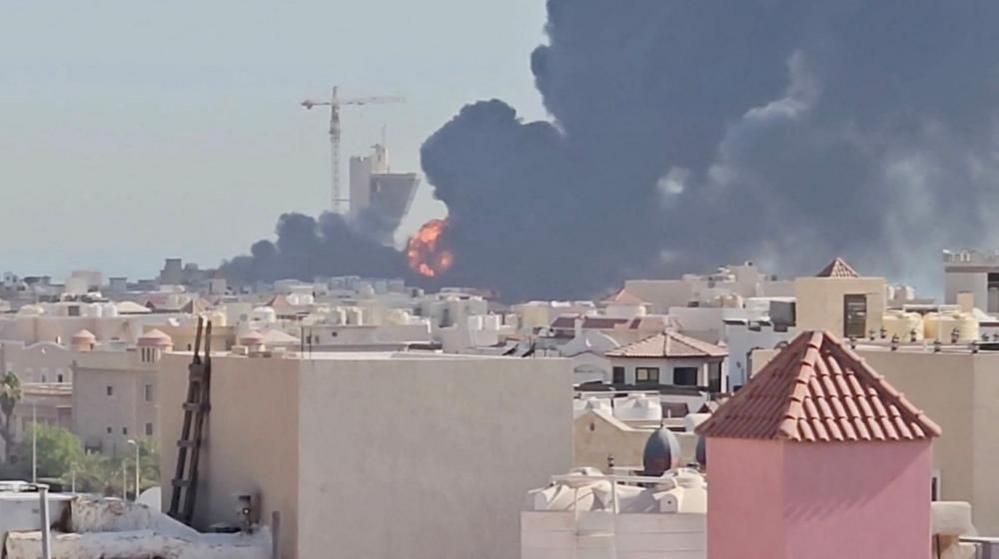
The killing follows a string of attacks that have inflamed tensions between Washington and Tehran for the past week. Both sides have struck critical infrastructure, with Iran hitting an oil facility in Kuwait and JC hitting a nuclear plant in its capital. The US has targeted Iranian logistics and missile sites in a move to degrade the regime’s ability to threaten shipping through the Strait of Hormuz.
Washington’s statements describe the latest strikes as “swiftly punish” the Iranian Revolutionary Guard and as measures to protect commercial shipping lanes. Tehran counter‑blames the US for attacking civilian bridges and an oil plant in Kuwait, which it claims are protected under international law.
With casualties escalating, the US death toll in the conflict now totals 17, including a Navy pilot who went missing earlier this month. Iranian sources say at least 50 civilians have been killed and over 500 injured by American strikes over the last three weeks.
Diplomats have struggled to keep a ceasefire that began in July from unraveling, as both sides accuse each other of breaches. Tehran’s Supreme Leader declared the US agreement worthless, while Washington insists its moves are targeted purely at military objectives.
Meanwhile, Jordan’s military intercepted three missiles and a fourth slammed into a remote valley. Israel reported launching interceptors to clear debris from Jordanian airspace, finding no damage or casualties. Official statements from Iran warn that vessels ignoring US warnings are at risk of accidents.
Experts say the conflict’s escalation could spill into the broader region, especially if civilian infrastructure continues to be hit. Calls for restraint from the international community remain high, with the United Nations nuclear watchdog urging measured responses to avoid further escalation.