In brief
El Niño has brought unusually low rainfall to Central America, prompting the Panama Canal Authority to reduce vessel traffic by four ships a day from 15 September. The canal, which saves thousands of miles for global trade and generates $3 bn in fees for Panama, will still move 32 ships each day to preserve water resources and service reliability. The decision follows last year’s driest October on record and comes amid broader shipping disruptions, including a reduction in traffic through the Strait of Hormuz due to the Iran war.
Panama Canal will cut throughships because of El Niño
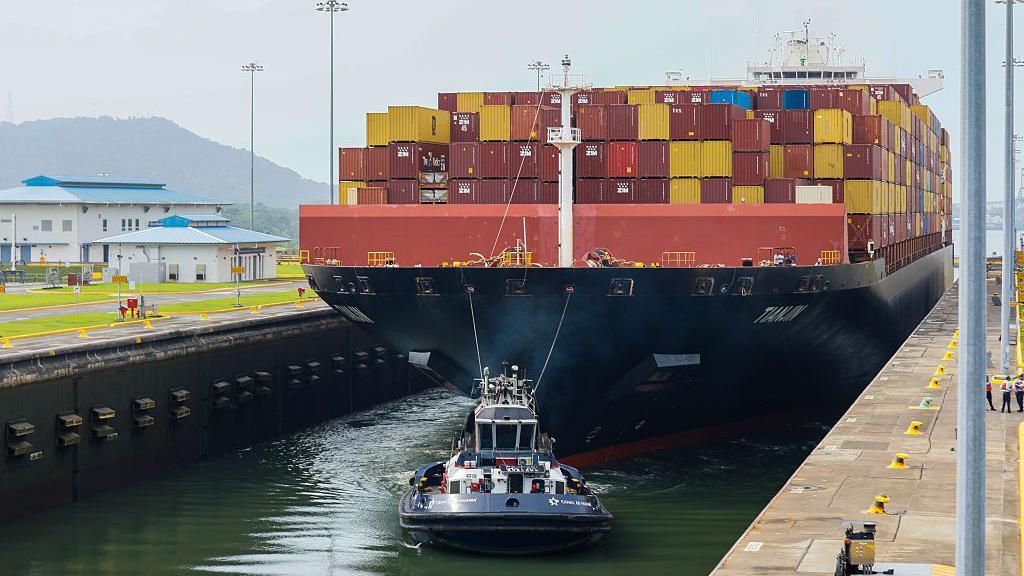
El Niño has brought a drier‑than‑usual spring to Central America. To keep the canal’s freshwater supply safe, the Panama Canal Authority announced on Thursday that the number of vessels it can move will drop from 36 a day to 32 from 15 September. The change, in effect from 3 September, is meant to give the 26‑mile waterway a cushion in the coming months.
The canal is a linchpin for global trade – about 14,000 ships visit every year, saving thousands of miles and a hefty $3 bn in fees for Panama. A four‑vessel cut might seem small, but even a few fewer ships ripple through shipping routes that already feel pressure from war‑related blockage at the Strait of Hormuz.
The decision follows last year’s “dryest October on record” which forced the authority to reduce traffic sooner. “We’re taking action now to protect the long‑term reliability of the canal,” said the ACP. The move will keep operations running smooth while the water level ebbs and flows with the El Niño cycle.
Experts say the 2026 El Niño could be one of the strongest in living memory, a trend driven by climate change and expected to keep temperatures high and rainfall low across the region for months. As the climate pattern kicks in, the canal’s water‑saving measures will be on full display.