In brief
The Taliban took power in 2021 and shut most schools and jobs for women, yet Afghan women are carving out small business edges, like a jam‑making workshop run by Najia. International actors – the UN, EU, US – have tried to engage the Taliban, offering aid and dialogue, but progress is slow and often reversed by new edicts. The West’s role is blunted by sanctions, differing national priorities, and a fading recognition debate. Behind the crackling negotiations, Afghan civil society argues that real change must come from inside, with women gaining the ability to work, learn, and speak from a human‑rights standpoint.
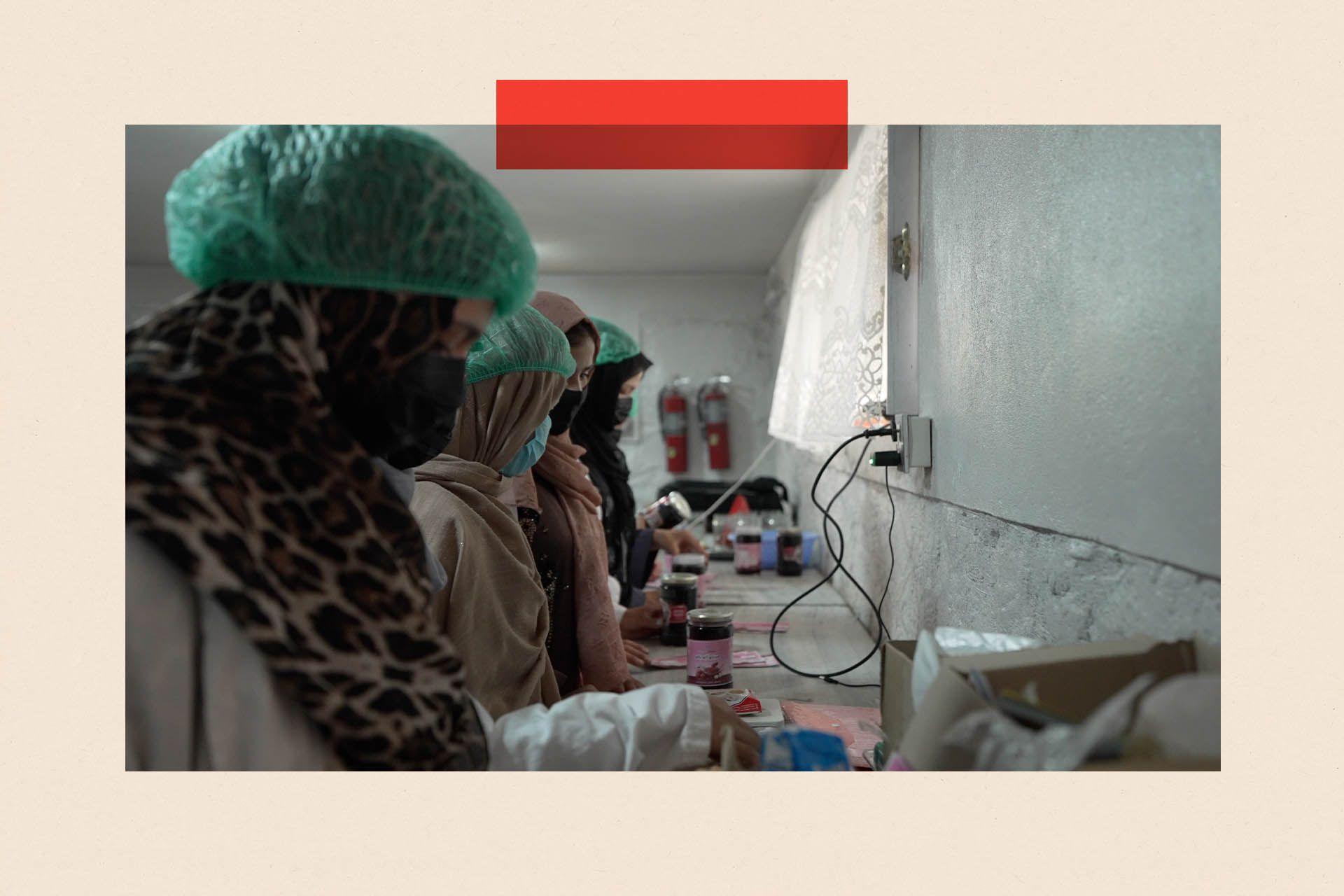
In a white‑washed basement south of Kabul, a dozen women bustle around jars of cherry and plum jam – the only space where most Afghan women still can earn a living.
Entrepreneur Najia – a 47‑year‑old mother of nine who was married at 14 – keeps her workshop running while the Taliban forbid girls from attending secondary school. When new rules require men to seize products for market access, even this tiny enterprise is squeezed.
Diplomatic Dialogue 101
UN negotiators say they’re making slow progress: holding forums, easing prisoner treatment, and pushing for more access to women. The new “Mosaic” framework lists six core issues – human rights, governance, sanctions relief and more – but critics warn it may not solve the larger problem where Taliban edicts are absolute.
The EU hosted a Taliban delegation in Brussels and phrases the talks as “technical” while someone in the Taliban calls them trust‑building. In the U.S., the Biden team removed the special Afghan women envoy and cut support from USAID.
Can the West Make a Difference?
Some diplomats argue that “quiet, confidential” talks are more productive than open summits, while others say the real change has to come from Afghan activists and Taliban insiders. International power is limited by sanctions and lack of diplomatic recognition – the only country that formally recognises the Taliban is Russia.
Meanwhile, local aid workers reveal that workarounds often let women work from home or separate rooms, but the arrangement is always fragile and subject to Taliban scrutiny.
When an activist who ran a women’s shelter in Kabul is now preparing to leave the country after raids shut her facility in December, she says: “They have to talk, but the talk has to promise real change.”
Five years on, the world watches from a distance. Mobile messaging, demos of digital literacy, micro‑loans – all are being tested, hoping to give Afghan women and girls a brighter future while a foreign policy crew debates whether to keep engaging or isolate the Taliban.