In brief
The Panama Canal Authority has announced a cut in vessel throughput to 32 a day from 15 September, down from the usual 36, as El Niño brings a severe drought. The change aims to protect water resources and keep the canal reliable amid climate‑change‑driven rainfall drops. Shipping companies are also bracing for added strain from the ongoing Iran‑Russia conflict that has already throttled traffic through the Strait of Hormuz.
Panama Canal to cut ship slots as El Niño dries the waterway
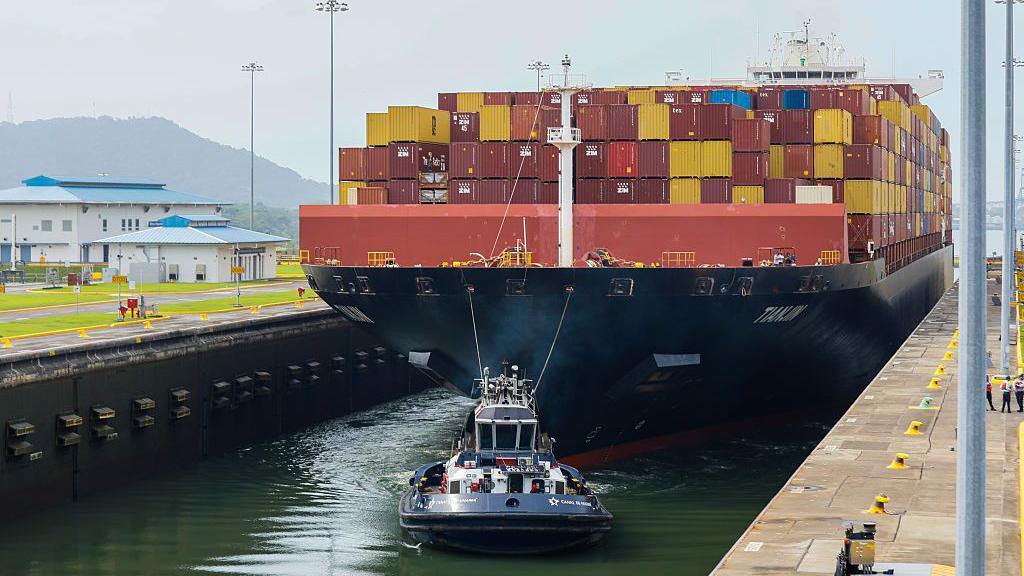
Starting 15 September, the Panama Canal Authority (ACP) will allow only 32 vessels a day to transit the canal—down from the current 36.
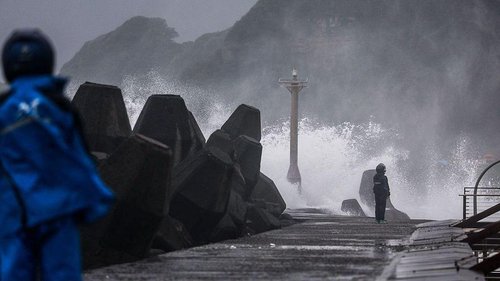
The move comes as El Niño, a weather pattern that warms ocean surface temperatures, is predicted to be one of the strongest on record this year, and its effects are amplified by climate change. Low rainfall in the region means less water for the canal, prompting the ACP to reduce traffic to preserve supply.
Already, shipping lanes have been hit by the Iran‑Russia conflict, squeezing vessels through the Strait of Hormuz. The canal cut follows a similar measure during last year’s El Niño, which saw Panama record its driest October since 1950.
ACP says the new limits will roll out from 3 September and that additional water‑saving steps are needed to sustain long‑term operations. “We’re working to keep the canal running smoothly while safeguarding water for people downstream,” a spokesperson explained.
The canal is a vital shortcut between the Atlantic and Pacific, cutting about 3,000 km of travel for 14,000 ships each year and generating roughly $3 billion annually for Panama.
With forecasts pointing to a potentially extreme El Niño, the shipping world will watch closely as global trade faces new climatic hurdles.