In brief
Yemen's Houthi fighters are launching attacks that force vessels to change course, pinching one of the world’s busiest shipping lanes – the Bab El Mandeb Strait. Amidst ongoing US‑Iran tensions and Saudi nuclear talks, the threat adds strain to already fragile regional security. Shipping delays could hike global fuel and fertilizer prices, while the risk of a broader conflict looms. The Houthi moves come after a 2015 Saudi‑Arabian war that left Yemen in turmoil. As the world watches, policymakers face choices whether to de-escalate or step up defenses.
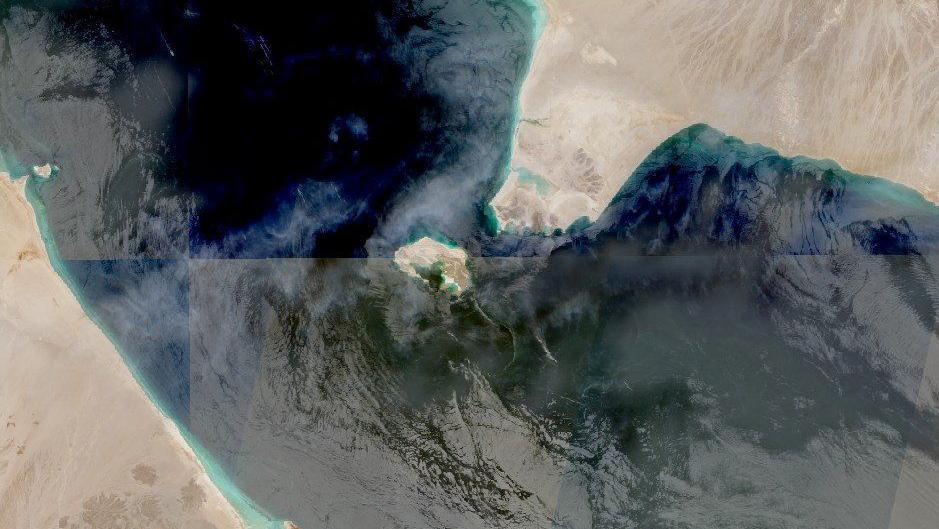
The Houthi militia, backed by Iran, has been attacking ships in the Red Sea since 2023, forcing vessels to turn back from the narrow Bab El Mandeb Strait that links the Red Sea with the Indian Ocean. This route carries a huge chunk of the world’s oil, gas and fertiliser trade. The latest disruptions heighten worries that a local flare‑up could flare into a wider Middle‑East conflict.
Meanwhile, the United States is carrying out nightly air strikes against Iranian radar, drone and missile sites, while Saudi Arabia is negotiating nuclear projects with the US. The tension underpins a complex regional web where Saudi forces are fighting the Houthis, and Iran seeks influence in Yemen. Every strike and every Houthi warning pay price in higher shipping costs.
If the Bab El Mandeb Strait is shut, the world could face a doubling of tanker costs and a ripple across commodity prices. The same holds for the Strait of Hormuz, closed by Iranian actions, which already squeezes Gulf oil flow. Economists warn a prolonged halt could reverberate from Akhtar to Lagos.
Geopolitically, the Houthi attacks add a new strand to an already tense region. The Gulf is cruising on the edge: US bases in Saudi Arabia, Kuwait, and Jordan are under threat from Iranian retaliation, while the Saudi‑Israeli relationship is strained over airliner incursions. The next day may bring more strikes or a faint hope for a US‑Iran truce, but so far the cyber‑war shows slow pace.
The bottom line for a concept of stability? Until the conflict between Khashoggi‑like revolutions ends, the region could slide into a new chapter of trading peril and military tension. Young readers, keep an eye on how shipping routes in the oil‑gold trade might wobble, because that is where the next global price change may surface.