What Just Happened in the Gulf of Oman?
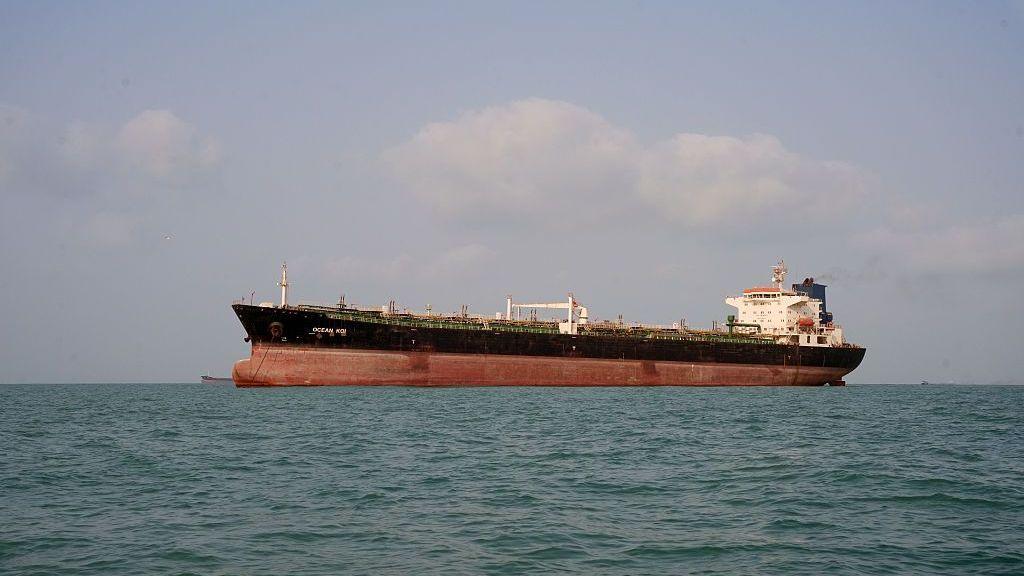
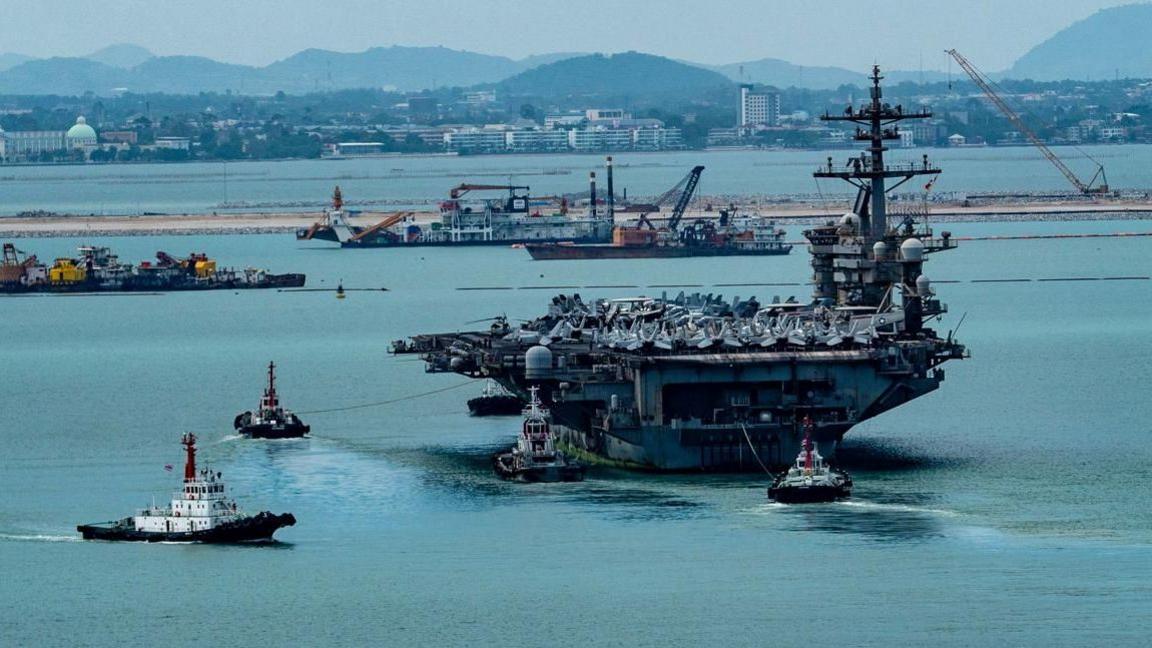
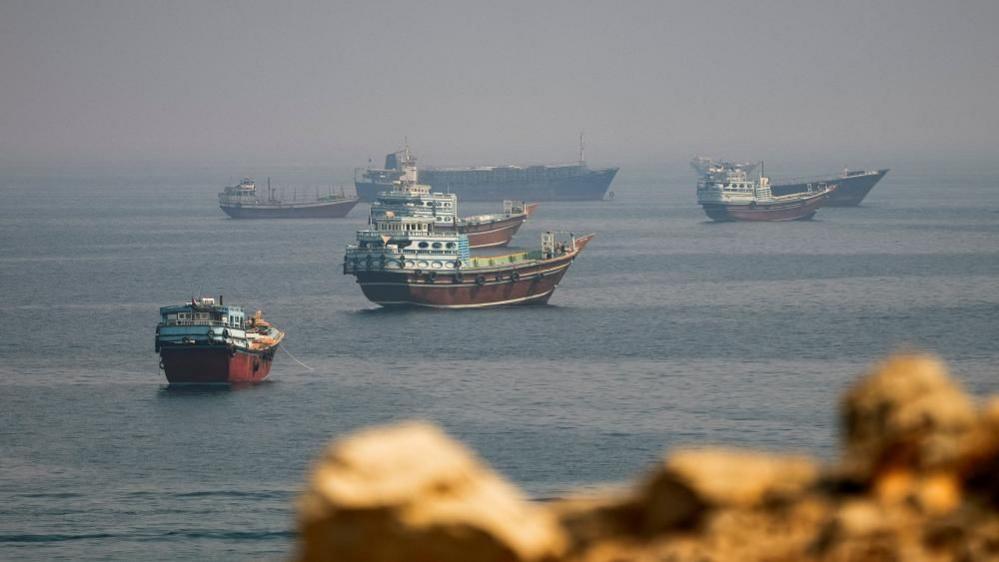
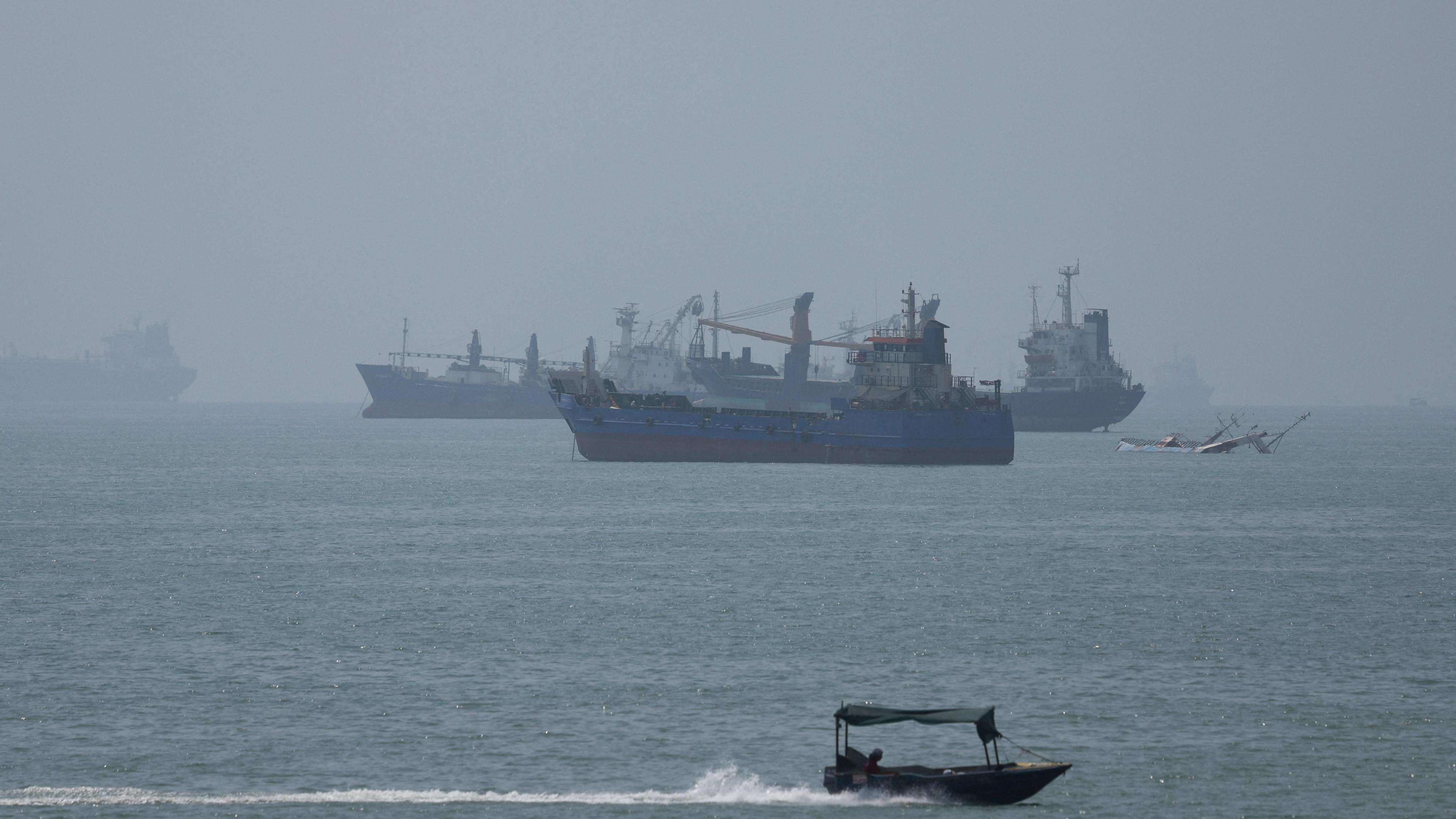
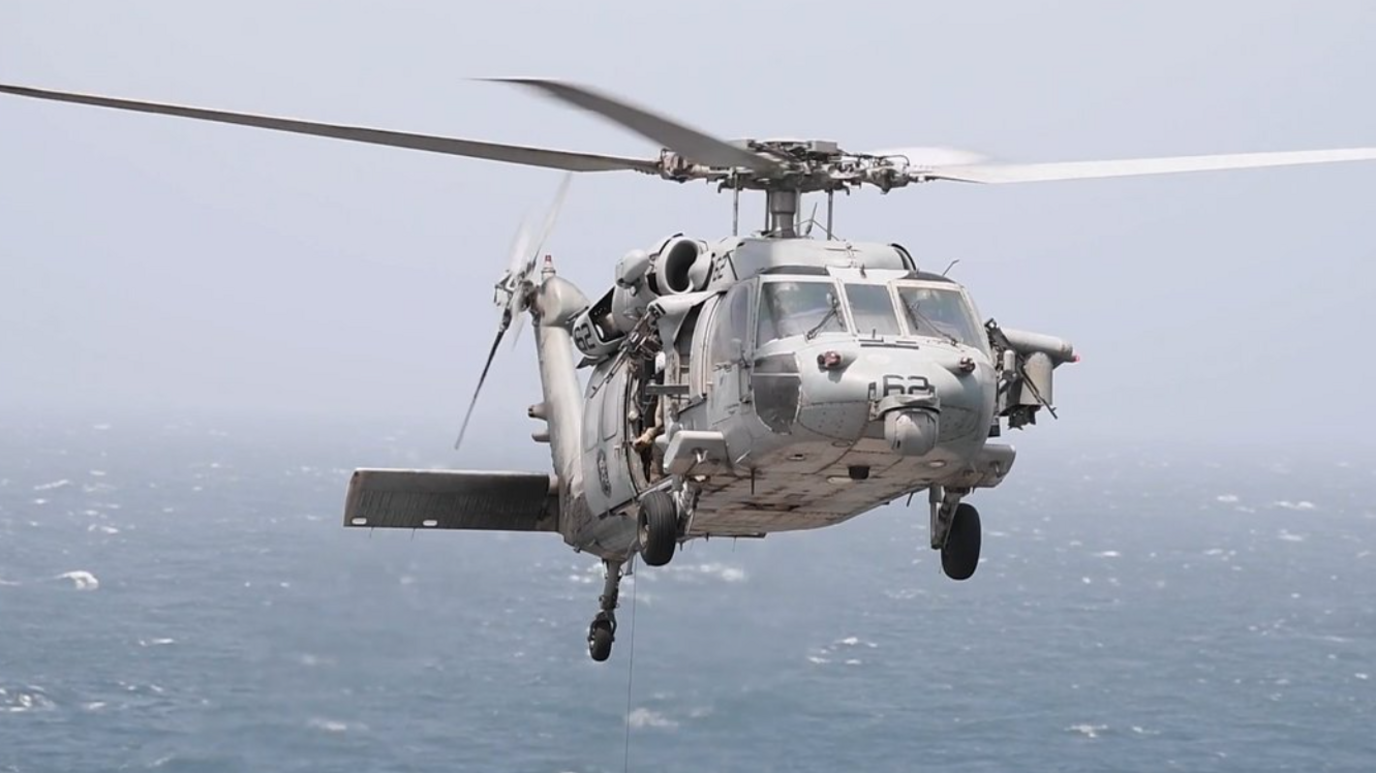
Last Tuesday, a U.S. MH‑60 helicopter from Central Command launched two Hellfire missiles at the Panama‑flagged cargo ship Vela Nova. The strike hit the ship’s engine room, disabling its steering gear and preventing the cargo vessel from reaching an Iranian port.
According to Centcom, the U.S. acted after the crew ignored repeated warnings from American forces and was determined to keep the ship from entering Iranian territorial waters. The U.S. says the blockade it is enforcing against Iran remains in effect, and that it has already disabled three vessels and boarded two others in the past week.
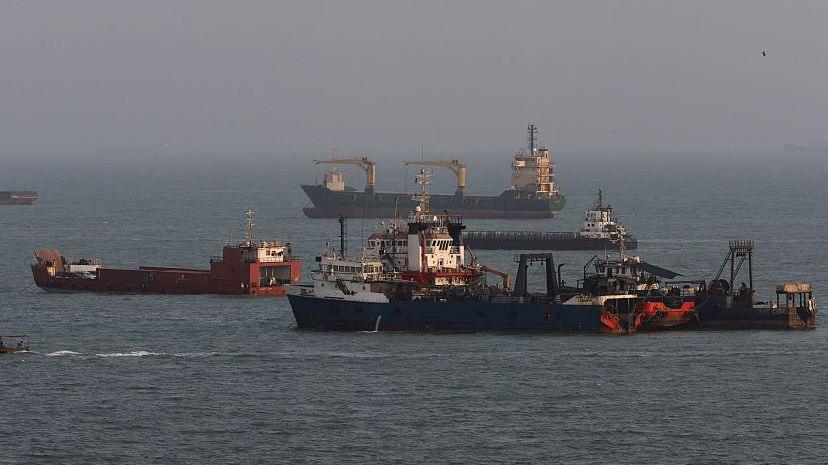
Why does this matter for global oil? The Strait of Hormuz is a choke‑point where virtually one‑fifth of the world's crude and liquefied natural gas (LNG) passes. Iran’s recent actions—closing the strait to commercial traffic and attacking ships—have already made oil prices jump dramatically.
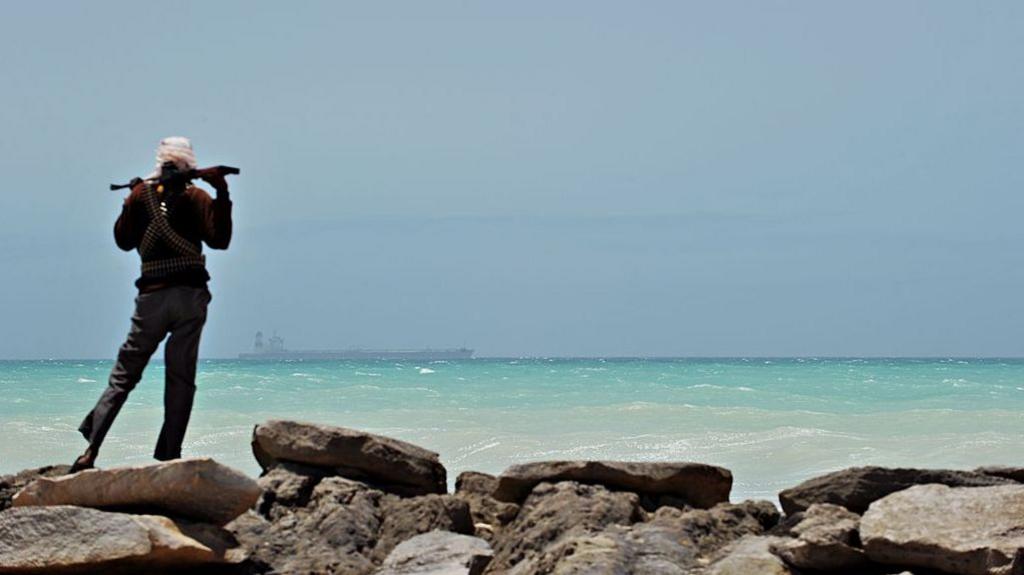
A new conflict risk has another front: Yemen’s Houthi rebels, backed by Iran, recently hit a super‑tanker in the Red Sea carrying Saudi military equipment. That attack marks the first fatal incident on a ship since the confrontation between Iran and Israel in February.
What Are the Implications?
- This move underlines how each side is willing to use force to protect strategic shipping lanes.
- It shows the U.S. is tightening its maritime enforcement despite political pressures to de‑escalate.
- The tension could keep volatility high for oil investors and shipping companies that depend on safe passage.
As the world watches the Gulf, the question goes beyond the immediate missile strike: can a blockaded region that fuels the planet’s economy be kept from further disruption? Only time will tell if new diplomatic channels open or if the area slides into deeper conflict.