
In brief
The UK government took control of the loss‑making British Steel plant in Scunthorpe to protect jobs and a vital national industry. China’s Jingye Group responds by denouncing the move as a breach of its rights and of the China‑UK Bilateral Investment Treaty. Beijing warns it will monitor the situation and support its firms’ interests, hinting at strained trade relations. The takeover has huge financial costs for the UK, with the plant losing over £1m a day and employing 2,700 workers directly. As the new UK prime minister is set to take office, leaders must balance economic ties with China against national security concerns and domestic steel supply needs.
On Thursday the UK announced that taking the loss‑making British Steel firm into national ownership would protect jobs and preserve a vital national capability. China’s commerce ministry has warned the move seriously infringed on Jingye Group’s rights and will monitor the situation closely.
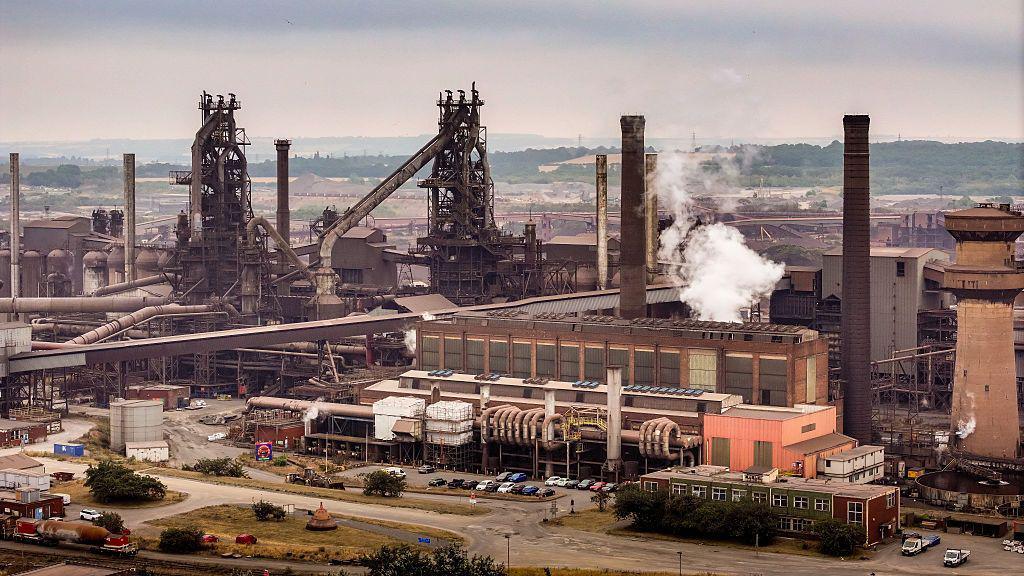
Jingye Group, which owns the majority of British Steel, has claimed the company loses £700,000 daily. The British government maintains that nationalisation is needed to keep the Scunthorpe plant running until alternative production sources – mainly electric‑arc furnaces – can take over.
The decision comes as the UK is expected to appoint an independent valuer later this year to decide whether any compensation is due to Jingye. A recent audit report said the plant costs the government about £1.3 million a day, and it employs around 2,700 people directly.
While the steel industry imports most of its raw material from the EU, the US, China and India, the Scunthorpe works produces special‑grade steel needed by Network Rail, the building sector and the national defence industry. Losing the plant could leave the UK the only G7 country without domestic virgin steel production.
China has called on Britain to faithfully fulfil its obligations under the 1986 Bilateral Investment Treaty, arguing the nationalisation was a security threat rather than a strategic choice. Beijing is monitoring the situation and voiced willingness to support its companies’ rights, though it has not detailed the steps it would take.
The nationalisation could set a precedent affecting future Chinese investment in the UK. As the new British prime minister is set to take office next week, politicians must weigh the economic benefits of China‑UK ties against the security and supply chain risks highlighted by the steel saga.