\
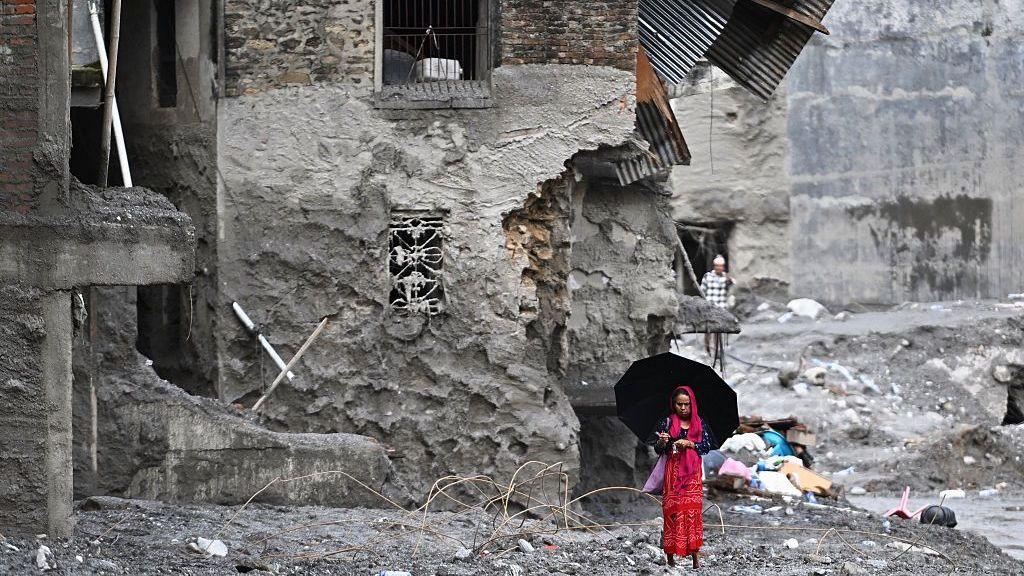
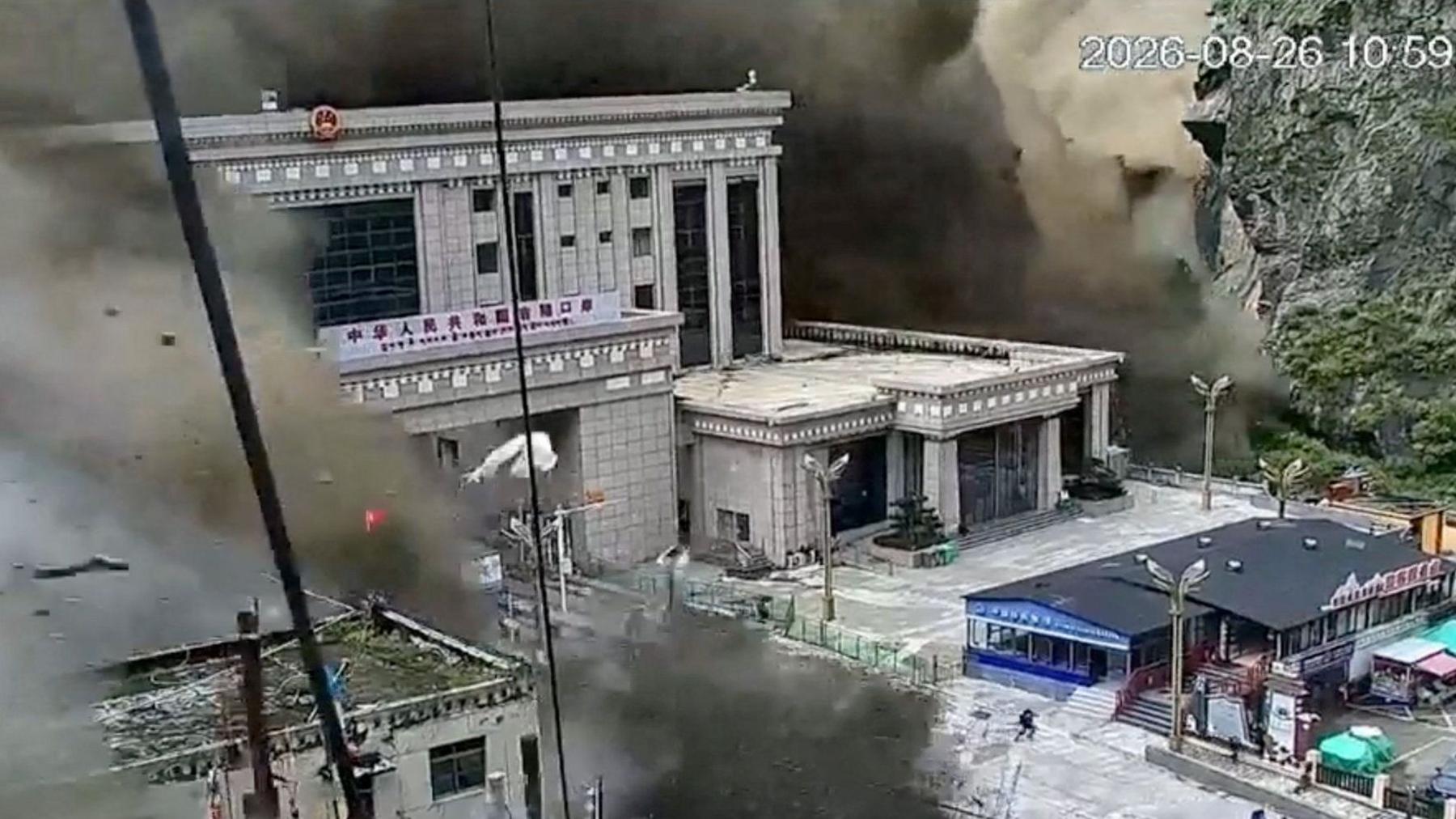
\On the morning of 26 August a wall of mud, ice and debris slammed into the Gyirong crossing, crushing the Friendship Bridge and the customs office. Less than a minute after the last immigration transaction, a video captured the wall forming, sweeping people and vehicles into the river.
\The torrent, triggered by a glacier collapse high in the Himalaya, flooded the route within seven minutes. Satellite imagery confirms that the border complex has been wiped out – already in a region that receives annual floods, this one was the most destructive.
\India’s ministry reports 275 missing nationals, mostly pilgrims heading to Mount Kailash, while Nepal’s immigration records show 89 people had just cleared their paperwork. The true number of lives lost could be far above the official count.
\ \
\The flash flood had hit the border stakeholders on both sides. In China, 77 pilgrims from the Isha Foundation and four staff members vanished as water swept through the bridge zone. In Nepal, the head of the Rasuwagadhi immigration office was lost at sea, and several staff members remain missing.
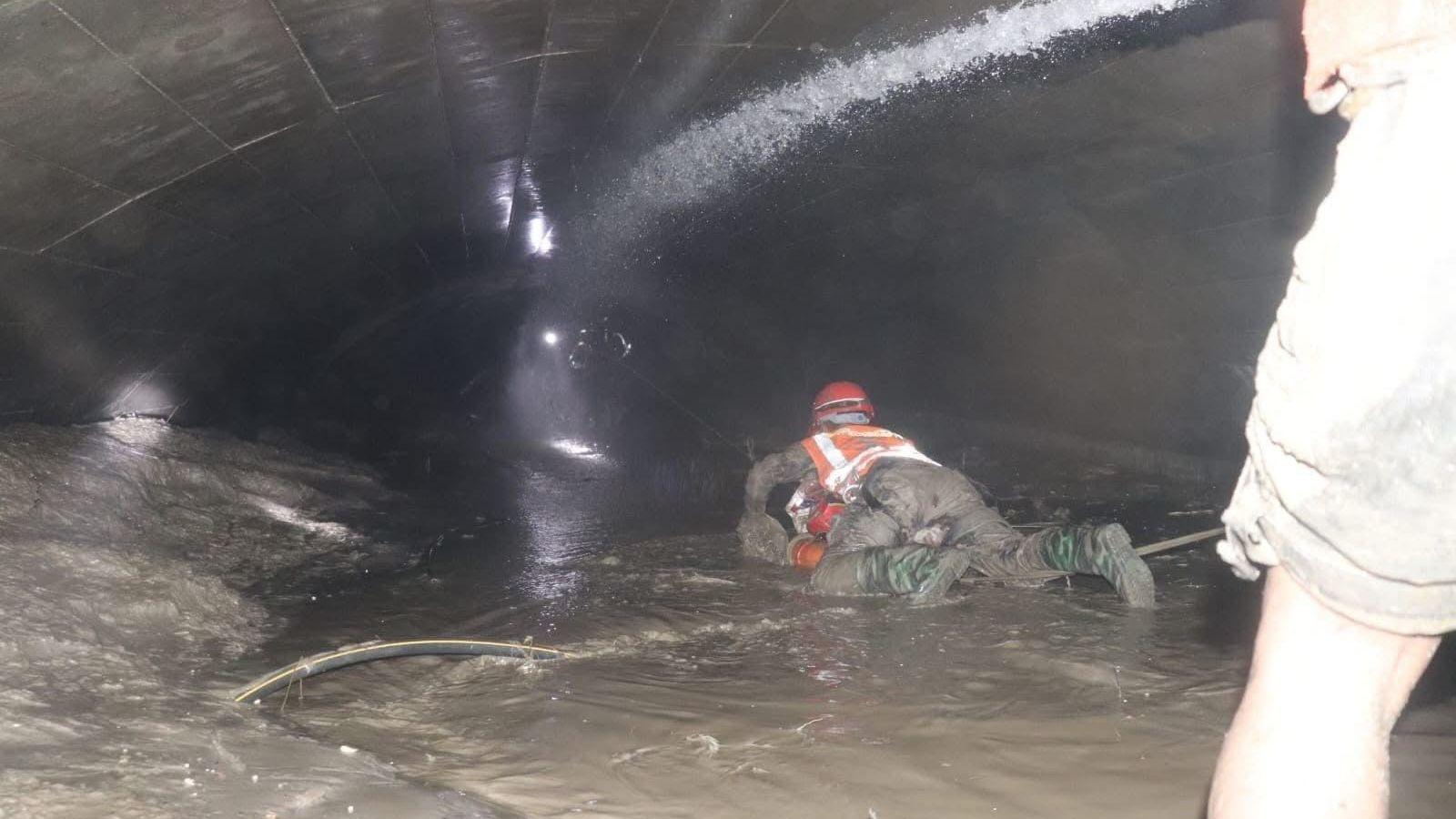
\The flooded river carried cars, rocks, and the everyday life of a border town, leaving the once‑busy route silent. Rescue teams from China and Nepal reached the site a week later, finding nothing but debris and a devastated landscape.
\ \
\The disaster exposes the fragility of trade routes that carry 80 % of Nepal’s electric‑vehicle imports from China. Experts now urge Nepal to develop alternative corridors, revisit its heavy reliance on the same river system for hydropower, and invest in flood‑resilient infrastructure.
\As the region recovers, the survivors are piecing together the story of that fateful morning – a story that still has many unanswered questions.
\