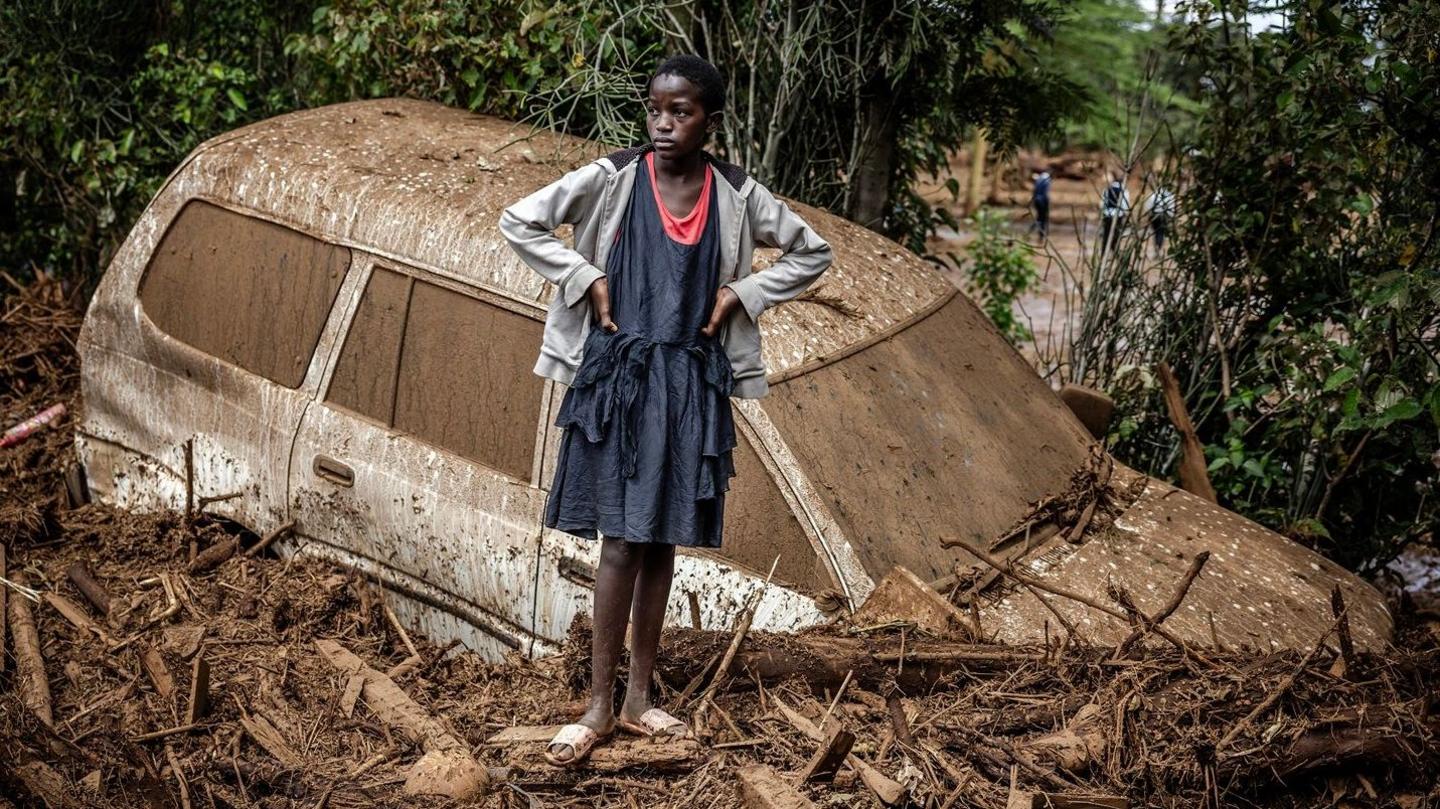
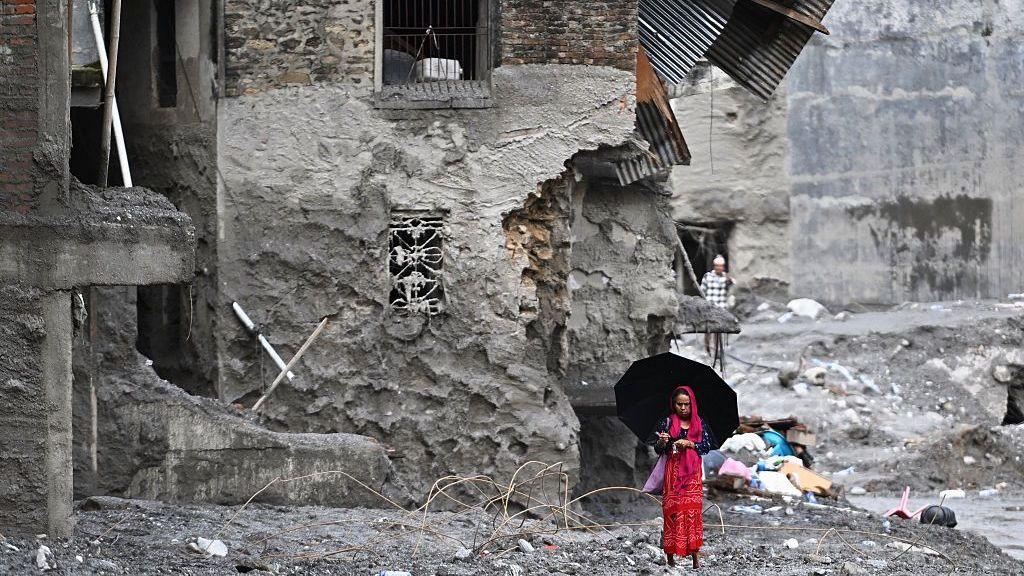
A sudden surge of heavy rains in Bangladesh has led to flood‑tainted days, leaving 51 people dead and more than a million people impacted by flash floods and landslides.
Thousands have lost their homes as swelling rivers and overwhelmed drainage channels have turned streets into rivers, especially in the capital city of Dhaka.
The majority of the deaths—28 out of 51—have occurred in Cox’s Bazar, a district that hosts over a million Rohingya refugees. Earlier this week, a flood swept through a school, killing several students and a teacher.
Bangladesh’s low-lying topography and dense river network routinely make it vulnerable to monsoon‑season floods, but experts warn climate change has amplified the intensity and frequency of rainfall.
The heavy downpour began over a week ago. To mitigate risk, government officials issued flood and landslide warnings, evacuated families in high‑risk zones, and postponed exams for students.
That week, authorities reported that more than a million people were housed in government shelters while night‑time floods buried neighborhoods.
In Dhaka, traffic slowed as the water rose to knee‑level in some areas; residents reported water‑logged roads and were urged to adhere to evacuation notices.
Local media questioned recent government efforts to repair drainage systems, while flood‑forecast experts predicted a possible improvement in the southeast but warned that northern regions could still see further inundation as the monsoon persists.
The continuing crisis highlights the urgent need for improved infrastructure and climate‑adaptation measures to protect communities most at risk.