In brief
The Nepal‑Tibet border was struck by flash floods that killed at least 1,200 people and left thousands missing. The country, a low greenhouse‑gas emitter, is now scrambling to clear debris and rebuild villages and roads. Officials say a massive international funding effort is needed – in the billions – to repair infrastructure and boost climate resilience. The disaster has put a spotlight on the broader climate crisis that affects vulnerable nations worldwide.
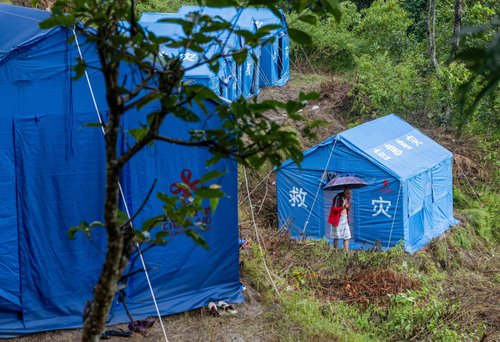
In a tragic turn of events at the Nepal‑Tibet border, flash floods claimed the lives of roughly 1,200 people while thousands more remain missing. Though Nepal is one of the world’s smallest contributors to global greenhouse‑gas emissions, its steep terrain makes it a hotbed for climate‑driven disasters.
First‑hand footage from BBC's South Asia correspondent shows a scene of rubble blocking roads and villages buried under water‑logged debris. Nepali authorities are focused on clearing these obstacles and restoring basic services, but the scale of the damage demands far more than local intervention.
Officials estimate that the recovery will require billions of dollars, a sum that must come from international donors, development banks, and NGOs. The funds will be earmarked for road re‑construction, new flood‑proof infrastructure, and climate‑adaptation projects to prevent future catastrophes.
The floods underscore a wider global crisis: countries that emit the least amount of carbon are often the ones that suffer most when the climate changes. Afghanistan, Bangladesh, and the rotating capital of Indonesia are all in the same boat, amplifying the need for global aid and building‑resilience partnerships.