
In brief
When four urgent calls telling of a looming flood reached the head teacher of Tribhuvan Trishuli Secondary School, Rajendra Dawadi didn’t wait. He ordered 900 pupils to move uphill, stuffing buses with students and ordering a quick return. The rescue saved lives, but the flood still claimed nearly 800 people across Nepal. The story also follows 16-year‑old Yunisha Amatya, who escaped by scrambling up a narrow ladder and survived the sudden deluge. The events highlight the need for better warning systems and show how a single decision can change the outcome.
Head Teacher Saves 900 Students Minutes Before Nepal Floods
Rajendra Dawadi, the head teacher of Tribhuvan Trishuli Secondary School in Nuwakot, received four urgent calls at 09:10 local time. The warnings warned of a huge flood that would engulf the area in minutes.
“If we didn’t act quickly and evacuate, we wouldn’t be able to speak to you today,” he says. He immediately ordered students to move uphill and buses full of pupils to backtrack to the safe side of the river.
Within 10 minutes, the floodwaters covered the school campus and burned nearby camps. The incident, part of the larger Nepal‑Tibet flood disaster, left at least 2,426 missing and over 800 dead across the country.
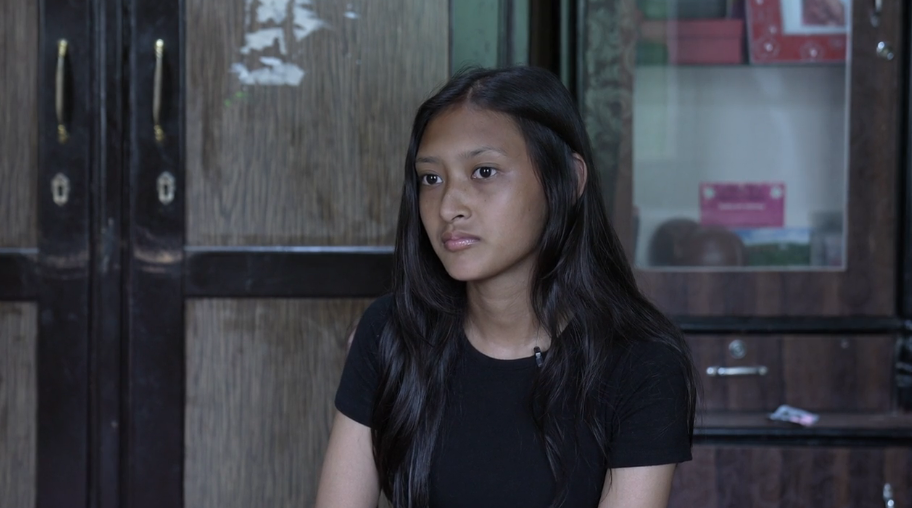
Yunisha Amatya, 16, was at the school when the flood hit. She recalls scrabbling uphill through a narrow ladder behind the school: “I could barely keep my feet on the steps, but I ran to the higher ground.” The flood hit the market and roads were cut off; many people were stranded for two nights before rescue teams arrived.
Yunisha’s father, Yubaraj, was in a panic before he could reach her. He repeatedly tried to call, finally getting through after a long hour. When he heard her answer, he cried, “I am so relieved.” Yunisha’s mother tells that she “felt so good to see her after three days.”
The tragedy underlines how fast warning systems work. Dawadi urges that sirens and instant alerts could save more lives next time. “If we had a more organized warning system, people could have prepared better,” he says.