In brief
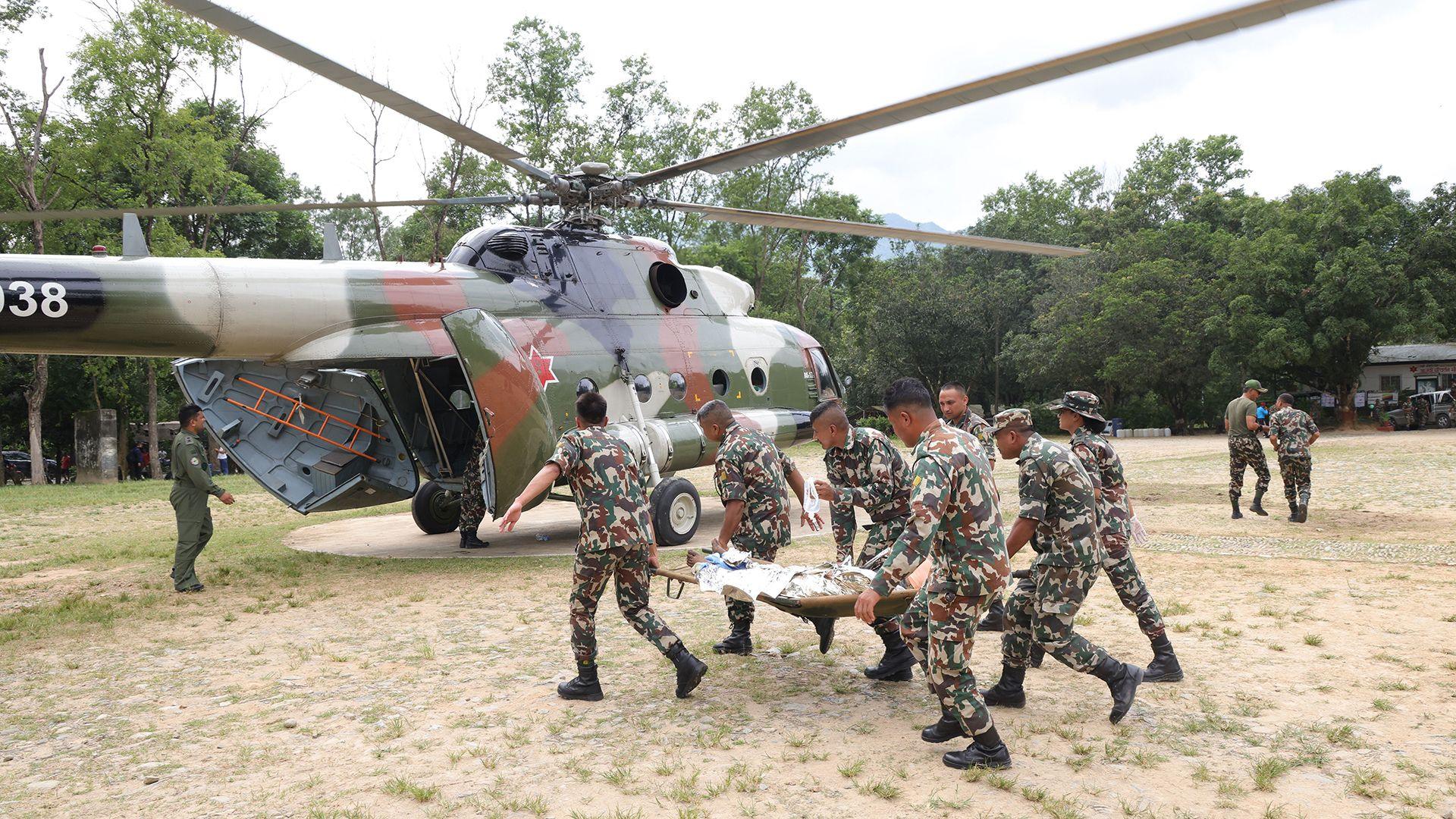
Last week a glacier collapse on the Nepal‑Tibet frontier sent massive landslides and flash floods into the valley, killing at least 469 people and leaving 910 others missing. The disaster struck a stretch of river traffic that falls just 40 miles north of Kathmandu, swallowing towns, roads, and even border checkpoints. Rescue crews—military, police and international teams—have rushed in, but a rising lake near the border could burst again, threatening secondary flooding. National leaders from Nepal, China, India and the U.S. have pledged aid, while UN and UK officials say they will keep sending relief supplies and support. The death toll shows diverse nationalities: tourists from India, China, the U.S., Ukraine, Malaysia, Australia, the UK and Canada remain missing. As scientists dig into satellite images, they confirm the damage was caused not by an earthquake, but a glacial collapse that released an immense amount of ice and debris, acting like a massive wave. The event underscores climate‑change‑driven glacial melt in the Hindu Kush Himalaya region and the escalating risk for the millions who travel through these trekking routes daily.
A sticky flood on the Nepal‑Tibet border has turned a beautiful valley into a rescue mission, as a collapsed glacier has hammered down enough earth and ice to cause a massive landslide and flood.
The U.S. Geological Survey confirms the disaster stemmed from a glacial collapse, not an earthquake. The slide sent debris into the river, creating a 5.2‑magnitude surge that buried roads, checkpoints and many homes.
At least 469 people have died, while 910 remain missing—most of them tourists from India, China, the US, UK and Canada. The flood wiped out a stretch of the Trishuli and Bhote Koshi rivers, half a two‑hour drive from Kathmandu’s tippy‑top capital.
Rescue teams are racing to avoid a second wave, because a lake of rising water behind the glacier’s collapse is still threatening to burst. The sudden risk has graves highlights of how climate‑change‑driven glacier melt can suddenly turn mountain streams into deadly floods.
News of the tragedy has spurred global help; the U.N. has mobilised supplies, China’s President Xi promised stronger early‑warning systems, and the U.S. will send $500,000 for emergency shelters. The UK has pledged £5m and will work with Nepalese authorities to protect exposed nationals and aid the survivors.
The flood reminds the world that rushed relief is vital, but long‑term plans for monitoring glacial lakes and maintaining mountain infrastructure could save life and livelihoods in the future.