In brief
A glacial collapse triggered deadly floods along the Nepal‑Tibet border, killing at least 1,200 people in Nepal and 21 in Tibet, while more than 4,200 are unaccounted for. The UN has amplified relief and recovery operations, sending teams to search hydropower tunnels and reopen border crossings. Chinese and Indian engineers are building temporary bridges while drones sweep debris‑ridden paths. Survival rates depend on rapid access to feeding, shelter and medical care for the 3,500 displaced, with the UN urging better early‑warning systems amid climate‑change–driven mountain hazards.
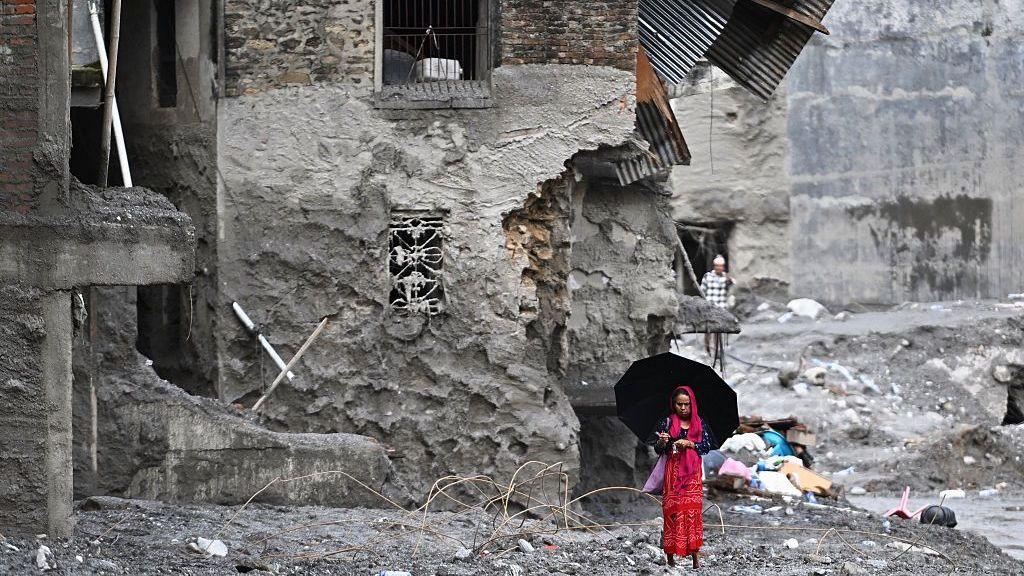
The flash floods that slammed into the Himalayas last month were sudden and devastating. A glacier collapsed, sending rivers rushing through villages and cutting off roads, rivers, and homes on both sides of the Nepal‑Tibet border. At least 1,200 people died in Nepal and more than 4,200 are missing. In Tibet, 21 have been confirmed dead and over 500 people are still unaccounted for.
UN rushes in
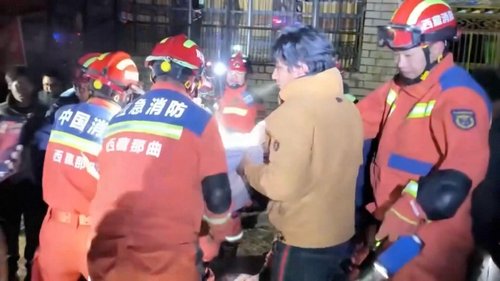
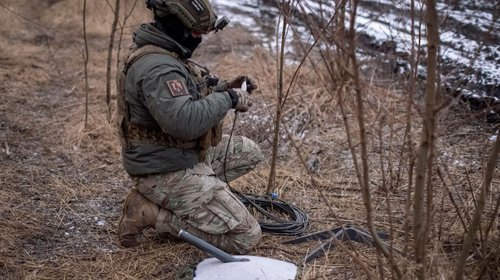
The UN’s Office for the Coordination of Humanitarian Affairs (OCHA) says the main challenge is getting help to people blocked by wrecked bridges and flooded tunnels. Teams are now focused on rescuing workers stuck in hydropower stations and reopening the Gyirong border crossing. Drone pilots are mapping the terrain, while Chinese and Indian engineers are building new wooden bridges to reach remote villages.
Who’s behind the disaster?
Scientists believe the glacier collapse caused an “unpredictable, rapid” surge that overwhelmed the rivers. Climate‑change experts warn that melting ice and permafrost are intensifying such mountain hazards. Nepal’s Prime Minister Balendra Shah called the disaster “an instant tragedy” and urged the world to act against climate risks.
Life after the flood
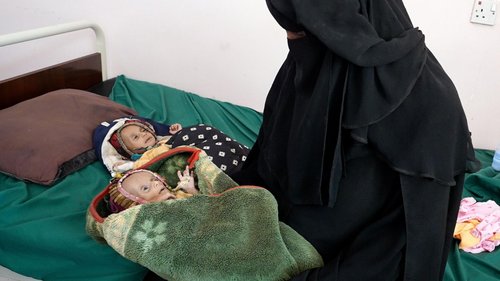
Nearly 3,500 people have been left without homes in 27 shelters, most of them schools. Their water is contaminated, health clinics are damaged, and winter is already arriving with the monsoon season. The UN and the Nepalese government have launched a four‑month humanitarian appeal to supply food, medicine, and psychological support.
The crisis highlights how quickly nature can test communities and the urgent need for stronger early‑warning systems and global cooperation to protect vulnerable mountain populations.