In brief
Every winter the Cuttlefish Coast in South Australia becomes a wonderland for divers, drawing hundreds of thousands of colourful giants. But this year the crowd shrank to a mere 1,811, a record low that raises alarms about the species’ future. Researchers point to a toxic algal bloom that has soaked the coast, and experts warn that the low egg count could keep the population from bouncing back next summer.
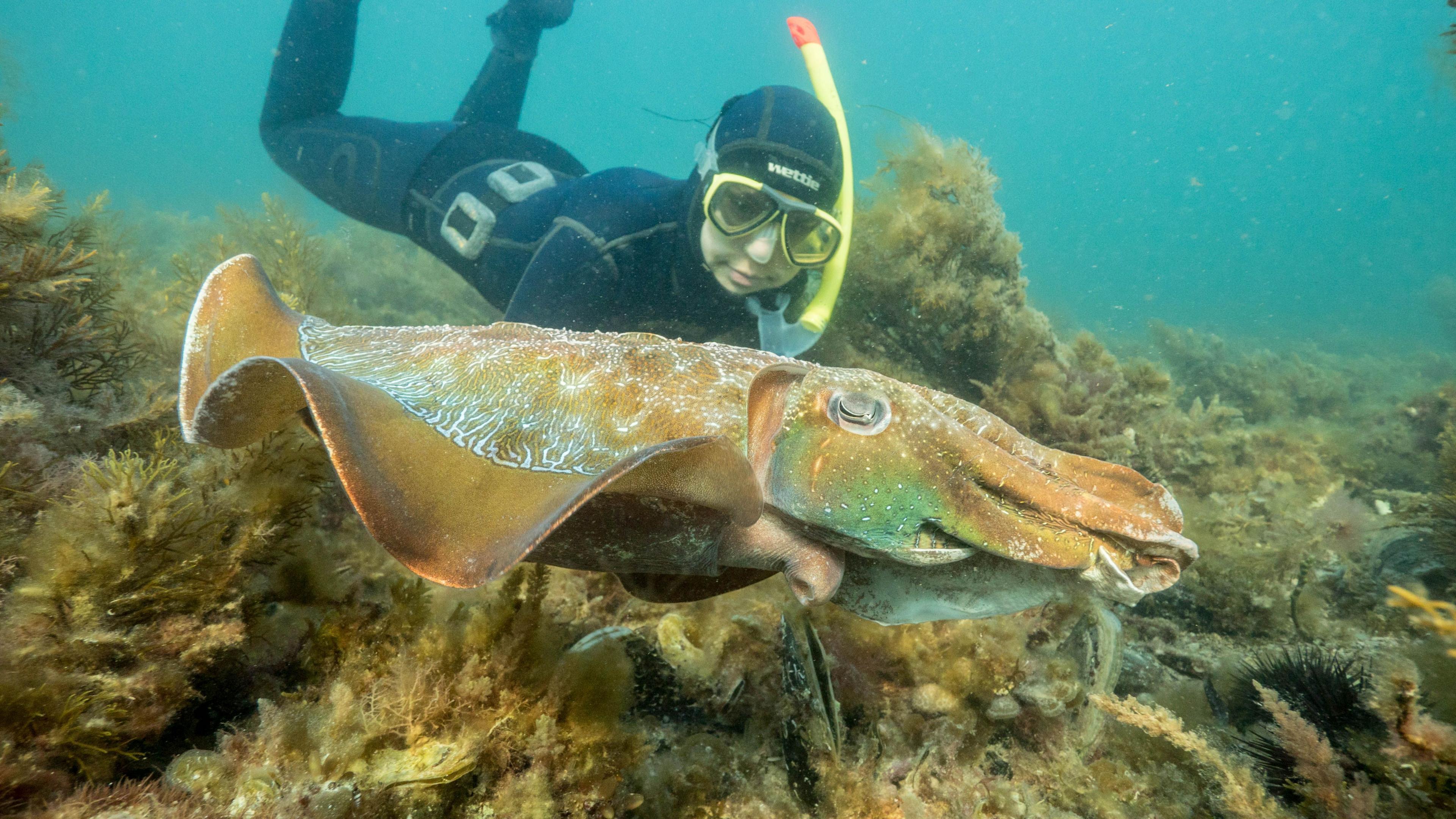
Every winter, the Cuttlefish Coast turns into a splashy celebrity party, with colour‑changing giants doing Instagram‑ready dances in the water and divers capturing the show.
But this year, the party was a ghost town‑style, with just 1,811 cuttlefish showing up for mating – a 97% drop from 63,000 last year.
Scientists say a toxic algal bloom that has been the coastal menace for 18 months may have hit the cuttlefish hard, making the water unsafe for the creatures to gather.
With adult cuttlefish dying soon after breeding, each season is a do‑or‑die moment for the species. The current low egg count (only 440 eggs found) worries experts that the population might not rebound next year.
“If the numbers are this low, it’s hard to see a bright future,” says researcher Manny Katz, who spent two days diving to count eggs and rubb a stingy tide of cuttlefish hiding under rocks.
The situation has prompted calls to list the giant Australian cuttlefish as endangered, and conservationists are cheering for a rebound – they know the species can recover when conditions improve.