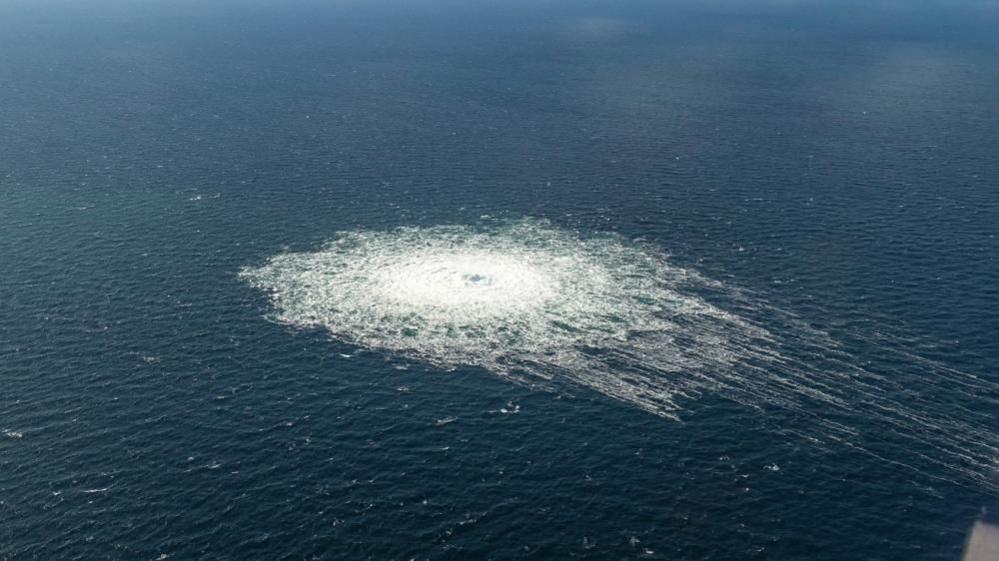
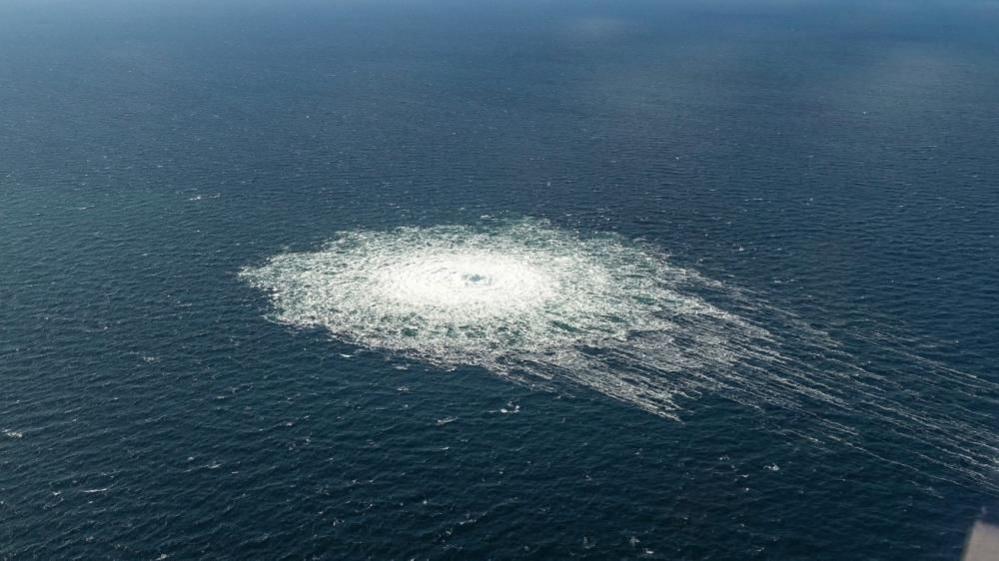
In a twist that has rattled European allies, German prosecutors have officially charged a Ukrainian national, identified only as Serhii K under privacy rules, with leading the 2022 bombings that detonated three of the four Nord Stream pipelines.
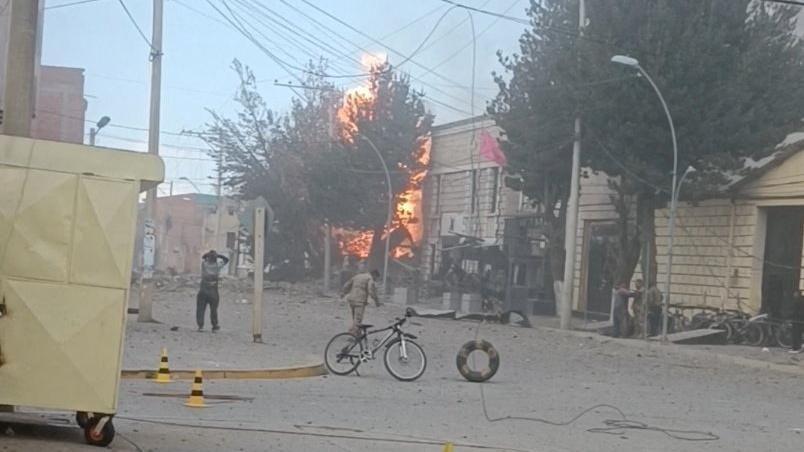
The blasts, which released massive amounts of methane into the Baltic Sea and crippled vital gas transit routes from Russia to Germany, have been a key battleground in the energy war that intensified after Russia’s invasion of Ukraine.
Sources tell Reuters that the suspect was arrested in Italy last summer and extradited to Germany in November, though he denies any role in the sabotage.
The indictment, reportedly served Wednesday, names him and seven co‑operatives as responsible for attacking critical energy infrastructure—a move that carries serious diplomatic costs for Ukraine, Germany’s top European military aid donor.
With no proof yet tying any state to the attacks, some Ukrainians view the saboteurs as heroes, while others question why Germany would prosecute a Ukrainian in a nation they support militarily.
The case underscores the tangled web of energy politics, international law, and the transitional realities of the post‑conflict European landscape.