In brief
Data centres powered by AI are sprouting across Sydney, bringing massive energy and water needs and creating a race to develop digital infrastructure. Local residents, like Lucy in Lane Cove, hear the constant hum of servers just yards away, raising concerns about noise, grid strain and water usage. While the Australian government touts renewed investment and a boost to tech jobs, critics argue many AI uses are low‑value and the environmental toll is too great. The debate pits cutting‑edge innovation against community wellbeing and national sustainability goals.
What’s Really Humming in the Suburbs?
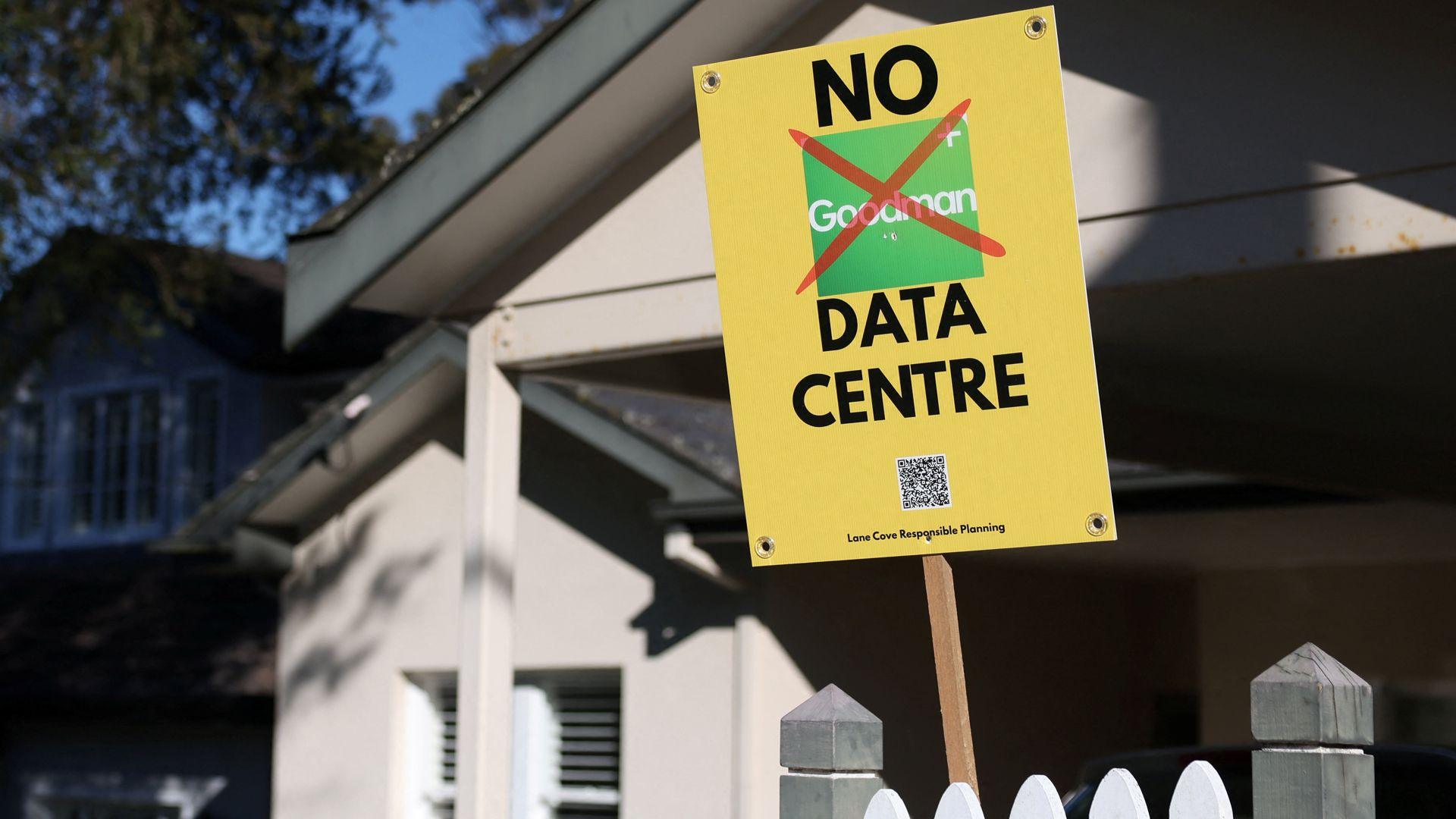
Lucy hears a constant hum whenever she puts her child to bed – that’s the whirring of a data centre a short walk from her front door in Lane Cove, Sydney’s lower north shore. Data centres are the giant, windowless buildings that store and process all the information that makes apps, banking and streaming work.
Since 2022, the AI boom – after ChatGPT hit the mainstream – has turned these hubs into a new race. Australia now hosts 162 data centres, and 90 more are planned, with an investment of more than A$155 bn. The government says this will turn the country into a “data centre capital.”
Why the Crunch is a Big Deal
These buildings don’t just need power. A single gigawatt centre could triple data centre demand in NSW by 2030, nudging electricity prices up 26% by 2035. If this power comes from gas and coal, it could push the grid into new fossil‑fuel territory right now.
Water is the other killer. A centre can drink 40 million litres a day – enough for 80,000 houses. Sydney could see 25% of its drinking water used by data centres by 2035, forcing more desalination that costs more than traditional supplies.
Surveys and Jobs – The High‑Cost Ratio
- Construction of a centre can employ up to 1,000 people.
- Once built, staffing falls to about 100.
- Data centre jobs often pull local businesses away – the planned cluster in Lane Cove would force 50% of 12‑Mars‑Road businesses to relocate.
Who Will Gain?
Treasurer Mookhey argues that the benefits come from the users of these centres: bigger, faster AI services, and growing national tech firms. But critics say many AI tasks are low‑value, like generating cat GIFs that use as much power as a microwave, and the centre’s location is obscuring where that energy really goes.
What’s Next?
In July, Prime Minister Albanese announced a law in 2027 that will require new data centres to pay for extra power and water, limit water use, and fund extra infrastructure. However, that only applies to new proposals – existing centres and those under construction are no‑change.
The debate has sparked a community push for a pause, with local leaders asking if the push to become a data hub can be sustainable without hitting net‑zero goals and water targets.
Your Voice Matters
Do you live near a data centre, or have thoughts on its impact? Share your experience here.