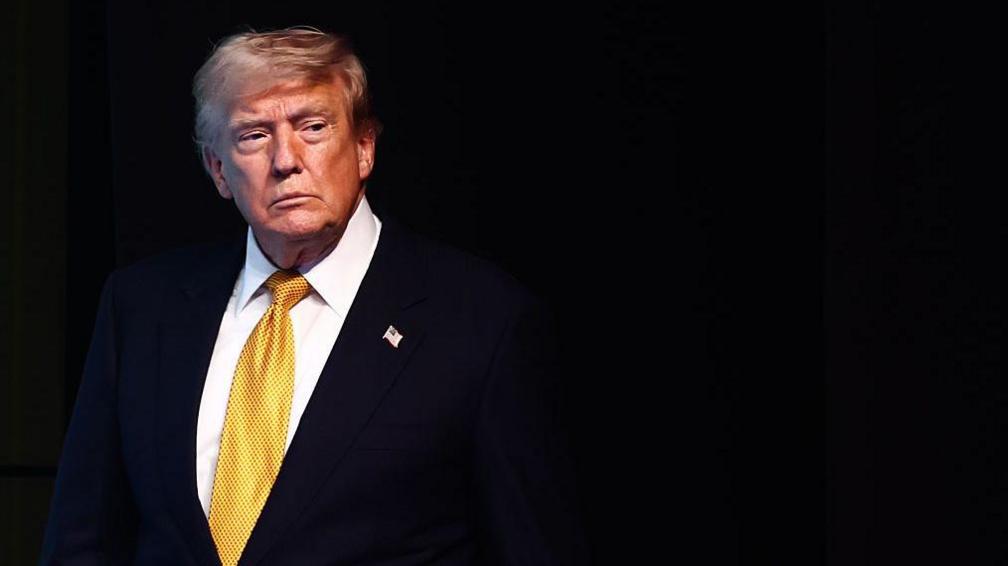
Trump’s 20% Hormuz fee lasted only 24 hours.
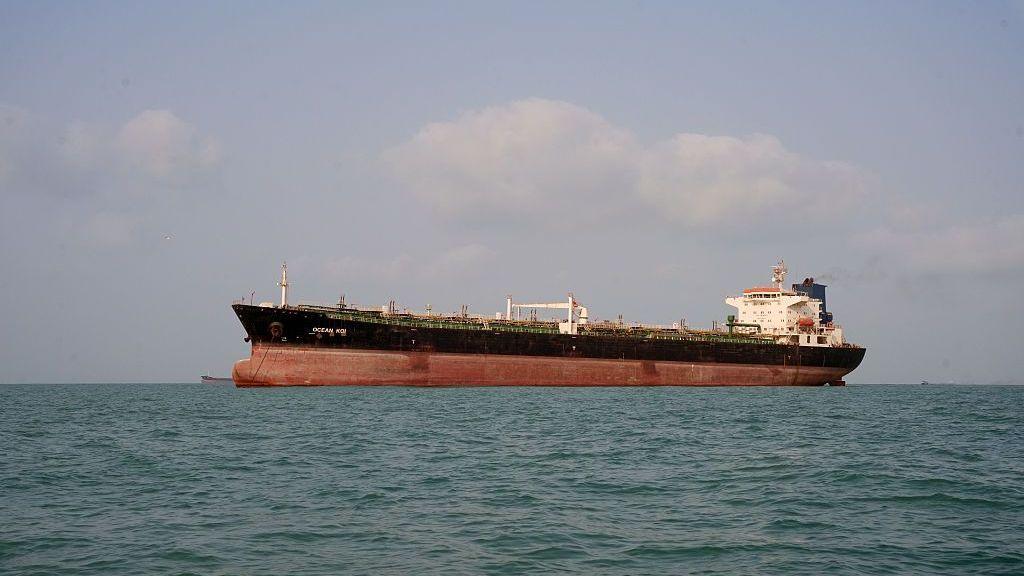
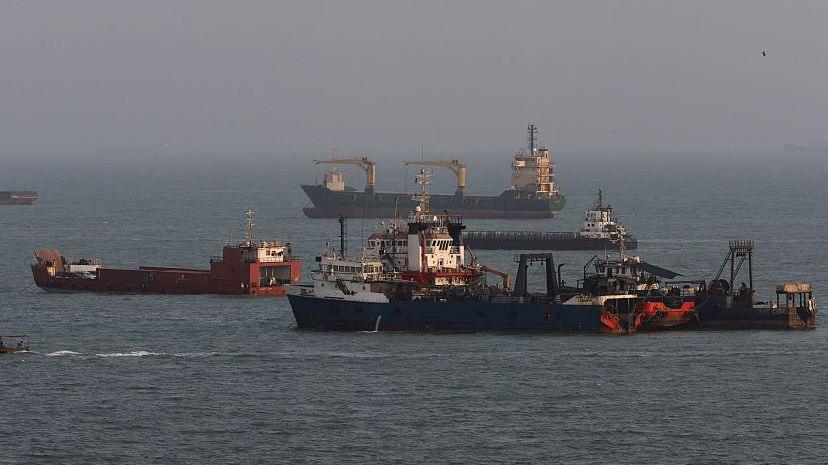
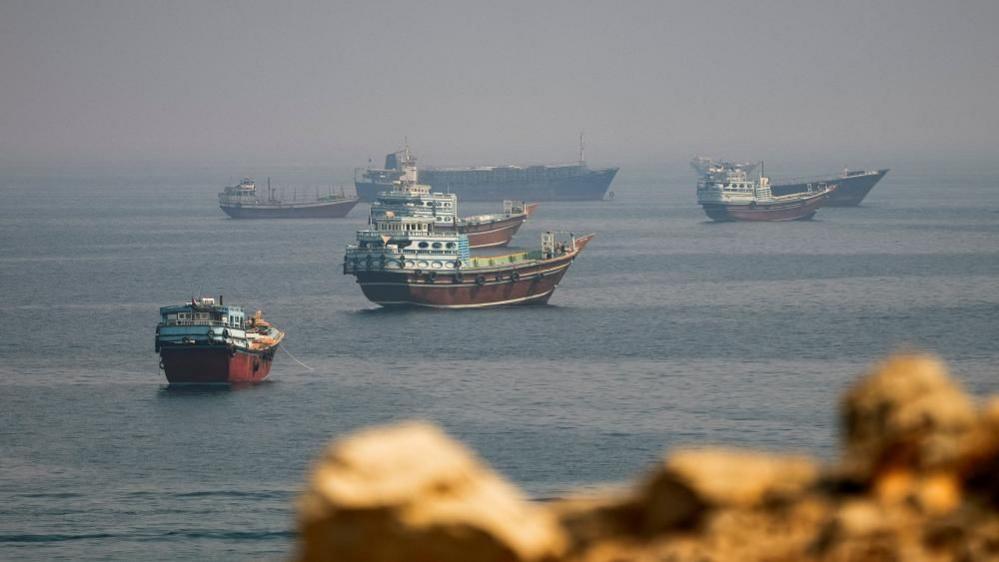
On Thursday, the former president announced on Truth Social that all ships crossing the Strait of Hormuz — the narrow passage where about 20% of the world’s oil passes — would have to pay a 20% toll to cover U.S. military costs. The plan was a quick move that aimed to protect American interests while keeping the cost in check for allies.
The next day, Trump abruptly dropped the fee. He offered instead a “trade and investment deal” with Gulf allies, saying the U.S. would escort ships safely through Hormuz “for free.” This sudden change shows the president’s frustration in finding a lasting solution to the four‑month‑old conflict with Iran.
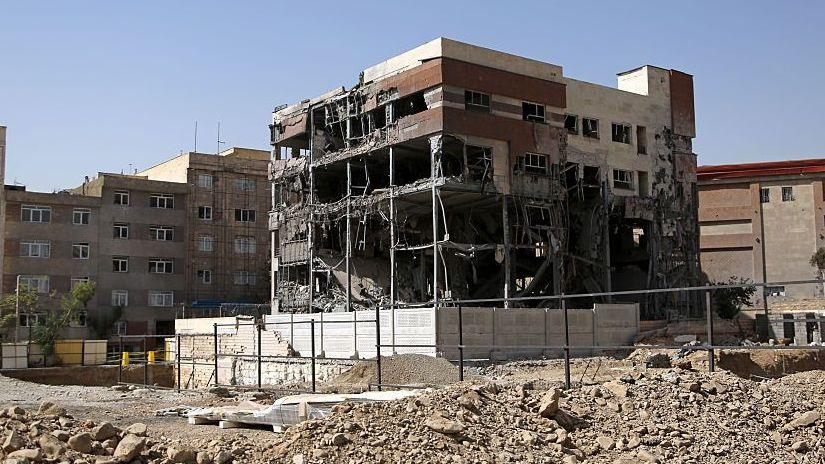
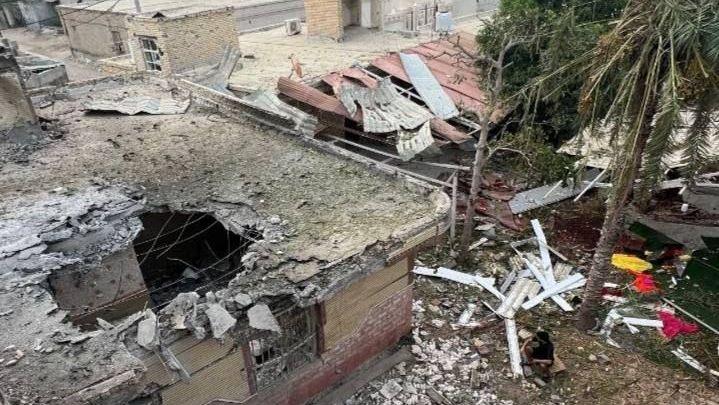
Experts say the fallout is deeper than a single fee. The U.S. blockade of Iranian ports and the threat of more aggression have pushed oil prices up again, while Iran has taken new shots at U.S. allies. Trump’s back‑and‑forth strategy walks a tightrope of security, diplomacy, and domestic politics.
If the U.S. keeps up its blockades, the oil revenue that Iran relies on goes down, which could strain the Iranian regime. But since U.S. forces cannot dramatically increase their attacks without sparking a larger war, finding a peaceful end is tricky.
The main lesson is that the war still feels out of reach. Trump’s 20% fee move, then quick retraction, may signal the president is running out of options. The Middle East remains a volatile spot, and the U.S. must juggle national interests and global politics while hoping to avoid a prolonged military ‑ “forever war” scenario.
For more, check out the full BBC coverage at United States news or dive deeper into the Middle East conflict here.