Millions Clash With Police as India's Mega 'Cockroach' Protest Hits Parliament
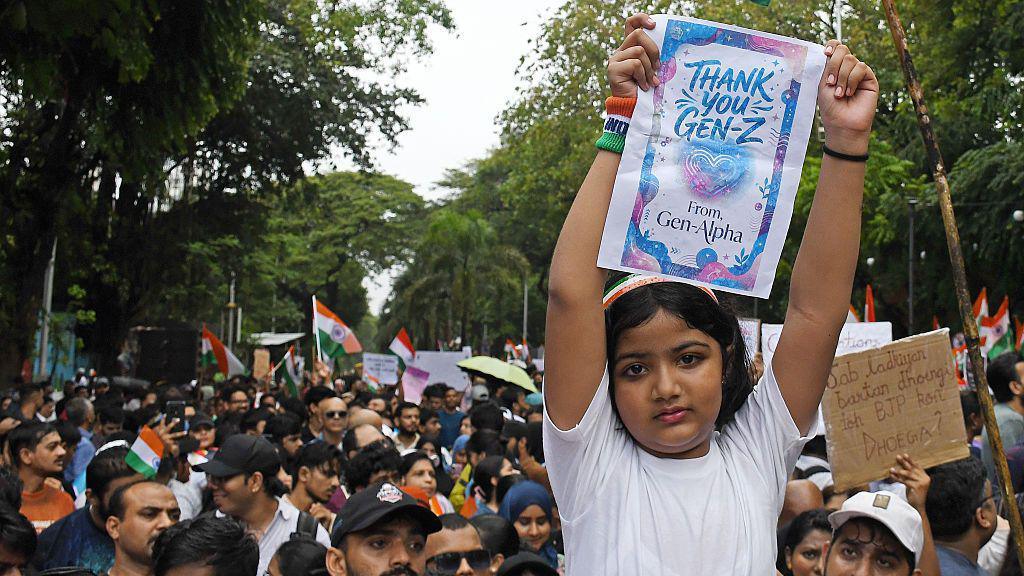
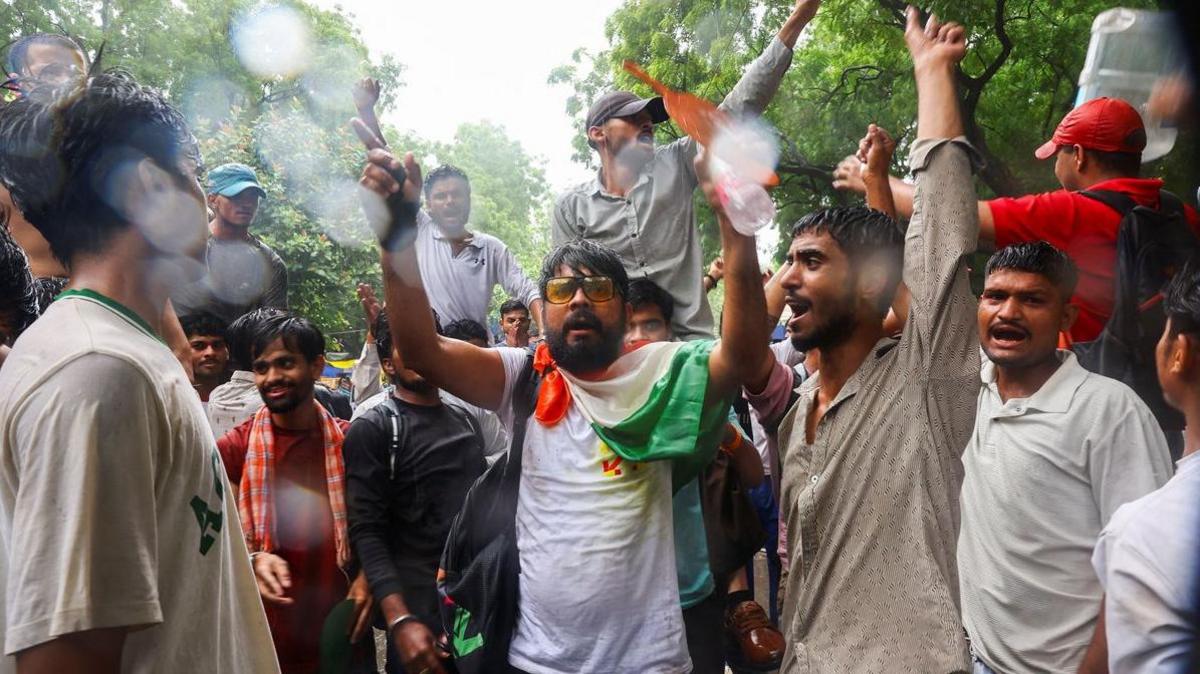
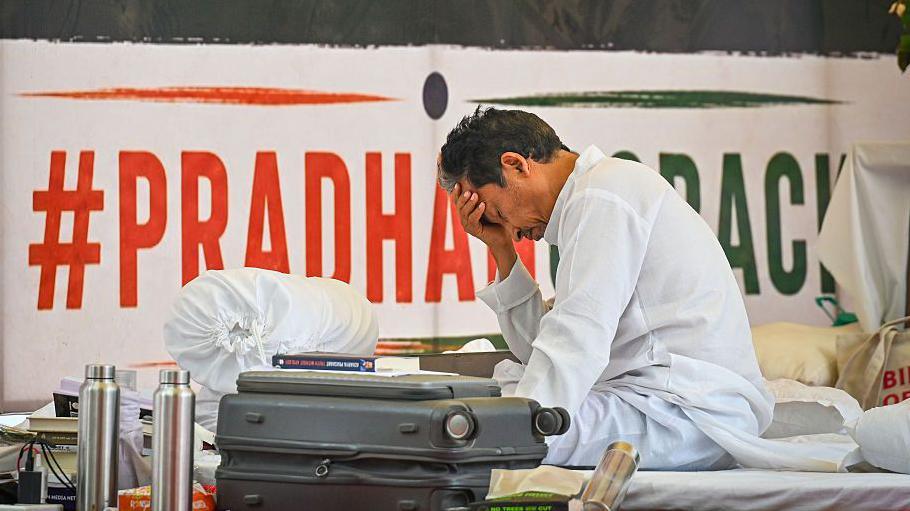
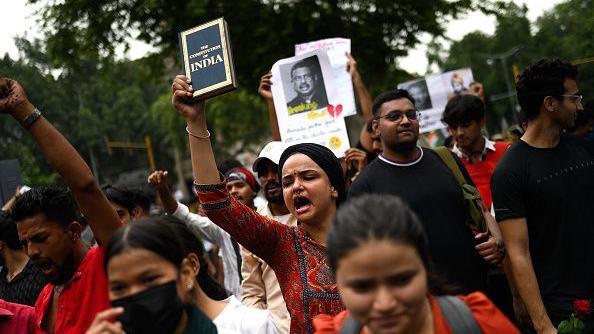
In a dramatic showcase of youth power, thousands of students, teachers and ordinary citizens flooded Delhi’s streets on Sunday to demand the resignation of Education Minister Dharmendra Pradhan. The rally, organised by the Cockroach Janta Party (CJP), erupted from the historic Jantar Mantar observatory and marched toward Parliament, meeting roadblocks set by police in riot gear.
The movement takes its name from a judge’s comment that compared unemployed youth to cockroaches – a remark that the CJP turned into a rallying symbol of resilience. Supporters say the protest was sparked by alleged leaky exam papers for NEET, a national medical entrance test, and has since evolved into a broader critique of government transparency and job prospects.
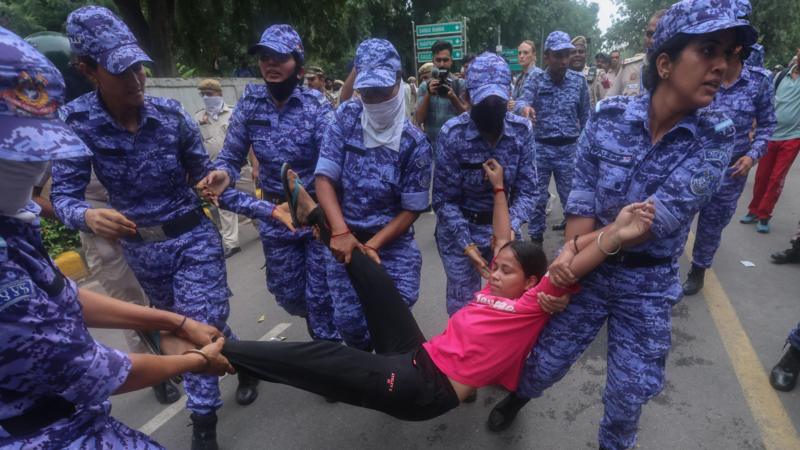
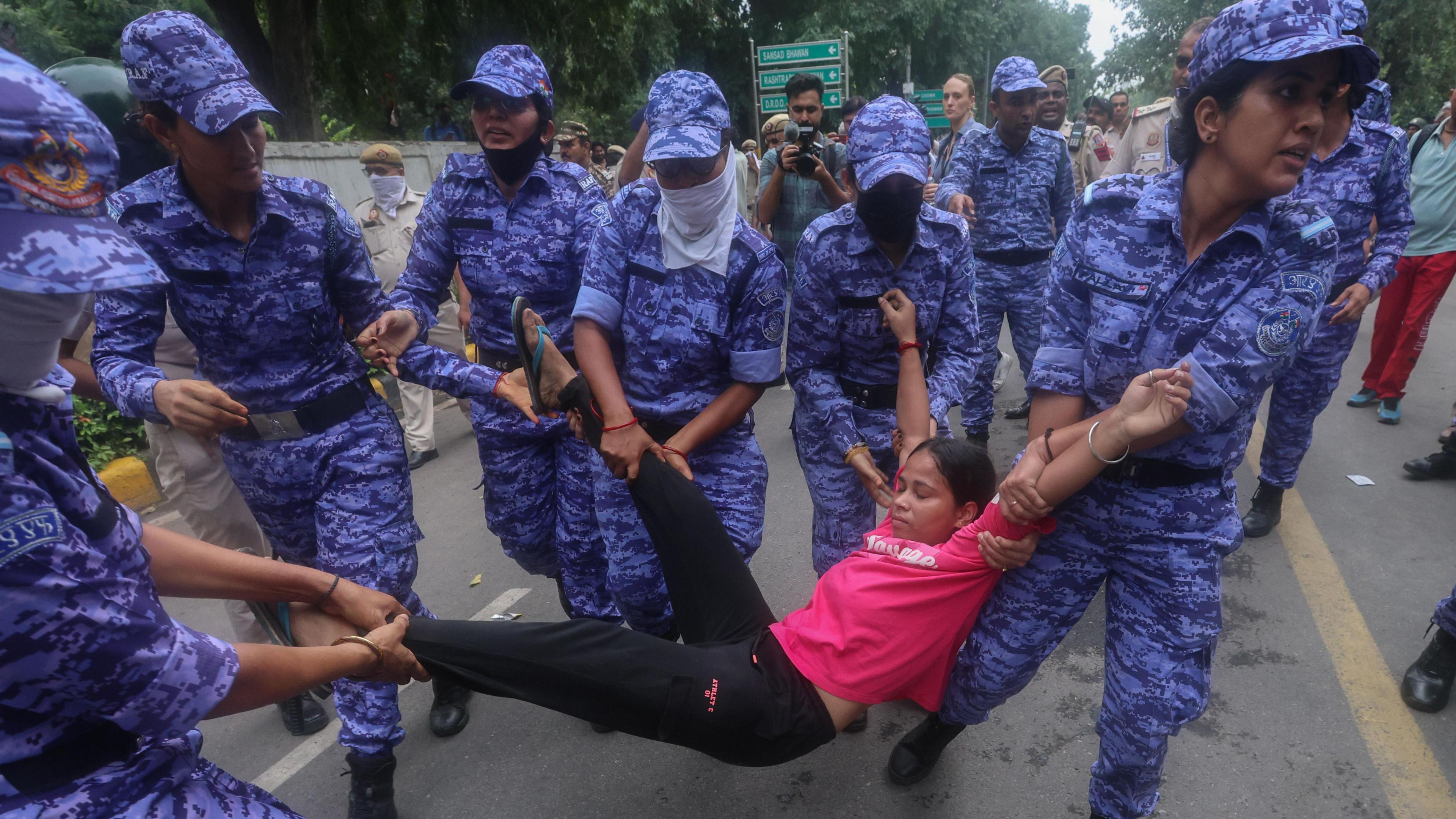
Police barred the march, setting up barricades around Parliament. When demonstrators tried to breach the gates, baton‑charging and stingray rounds resulted in injuries – a volunteer doctor reports at least ten people were treated for head wounds and broken bones. Meanwhile, many protestors continued to stream in rain‑slick lanes, holding banners and cheering for change.
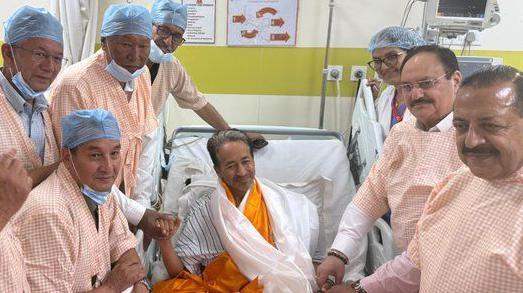
In the afternoon, the Ministry of Health met with representatives of the CJP, who submitted a letter demanding reforms. The Health Minister posted a tweet urging calm, but the protest continued to simmer as thousands stayed at Jantar Mantar waiting for the movement’s next move.
Beyond the street conflict, the CJP’s rapid rise – from a fledgling online campaign in June to a nationwide movement – demonstrates how youth can harness social media and collective action to push for reform. The movement also highlights the tension between protest rights and state security, a debate that will shape India’s political landscape for years to come.
🚨 Quiz Time: Why did the CJP choose the cockroach as its emblem? Tap to find out.