The Cost of a Trial
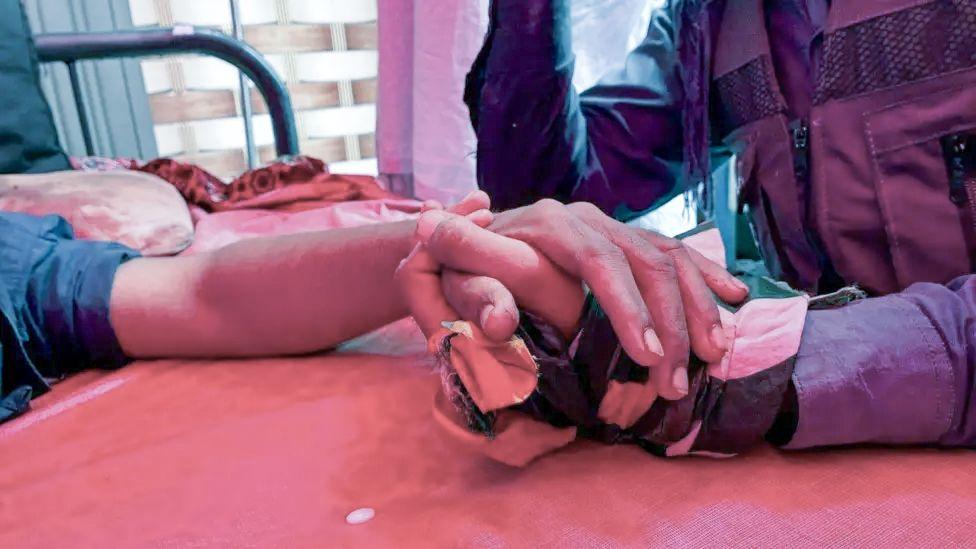
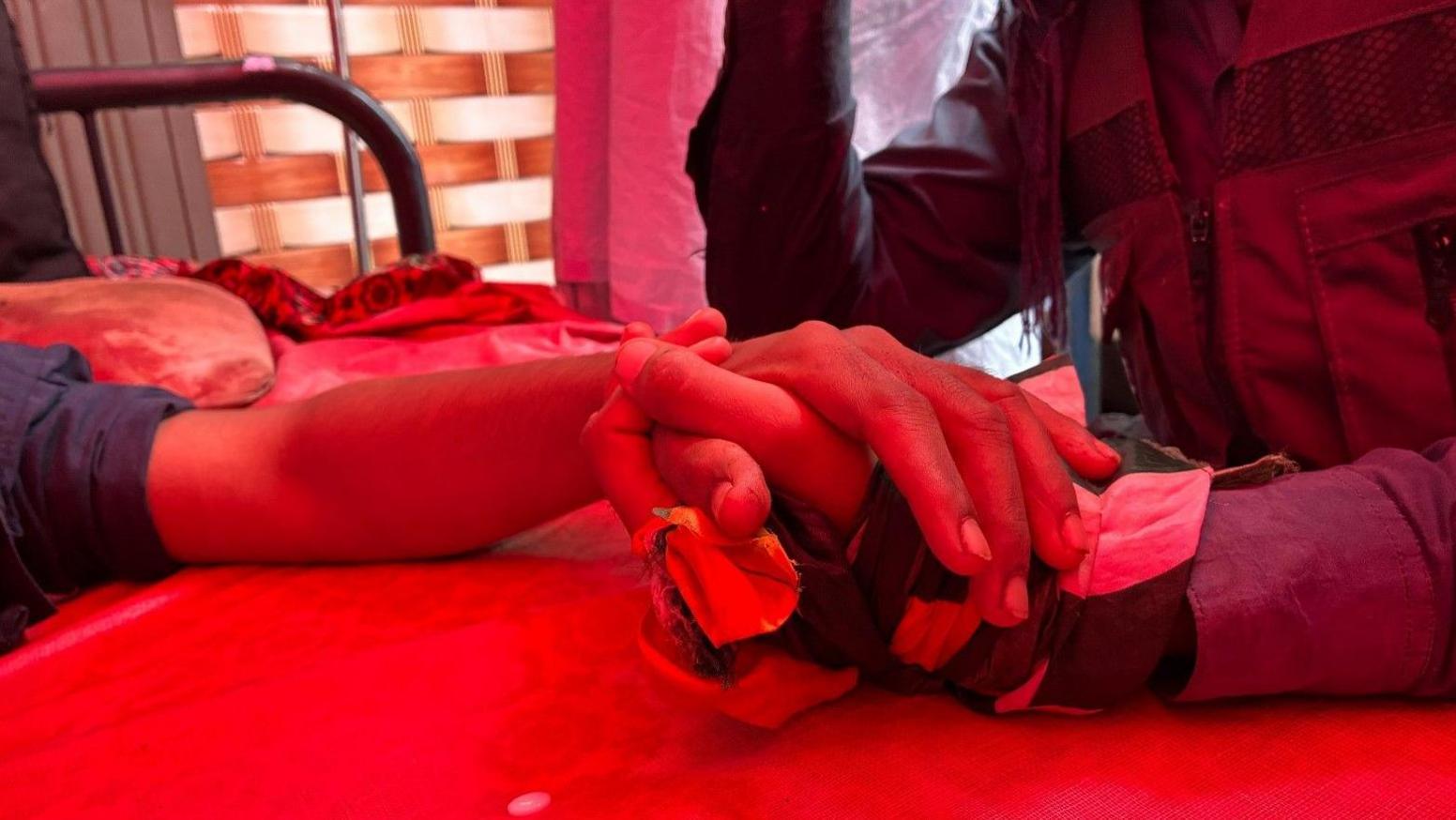
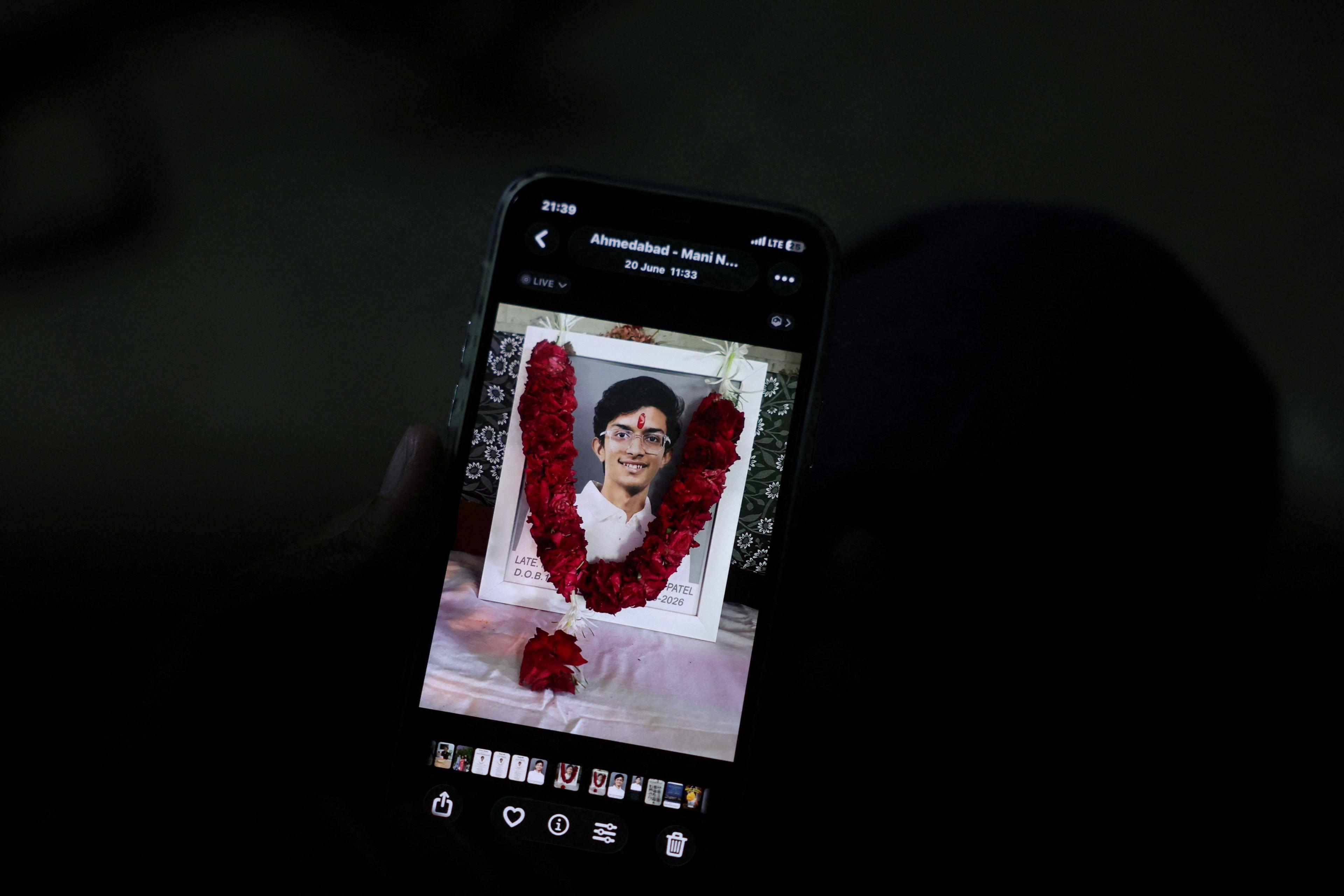
Three days before a rescheduled medical entrance exam at a high‑rise in Ahmedabad, 17‑year‑old Kahaan Patel jumped from the sixth floor. He had just finished a practice NEET that felt reassuring, and his brain was buzzing with excitement. But one week later his parents learned the exam paper had been leaked, forcing the exam to be cancelled and a retest announced. The humiliation and desperation that followed turned fear into a fatal decision.
Kahaan wasn’t the only racing heart. At least 21 students reportedly died by suicide after the leak, handing over places on a board that reads “Consistent Academic Performance”. Across rural Rajasthan, a 23‑year‑old named Pradeep was in a similar position: he’d sold land and banked money to study for NEET, only to trigger a retest after the leak. Families felt like they’d been robbed of a future.
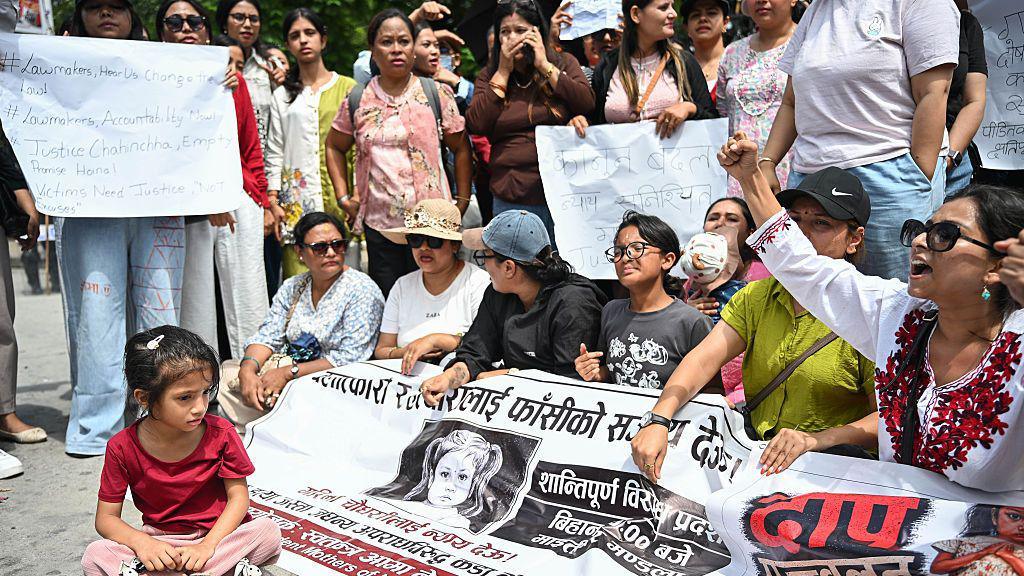
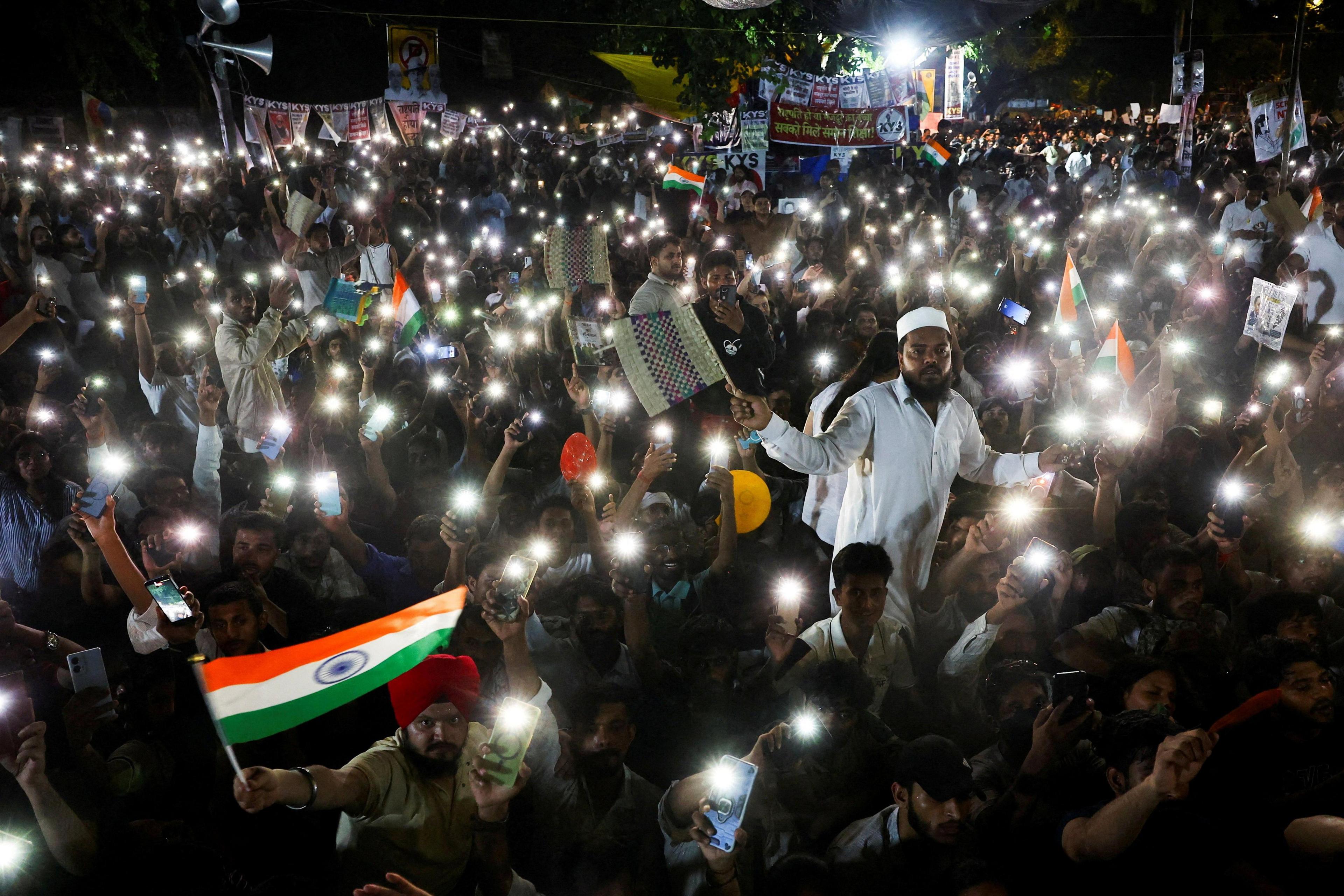
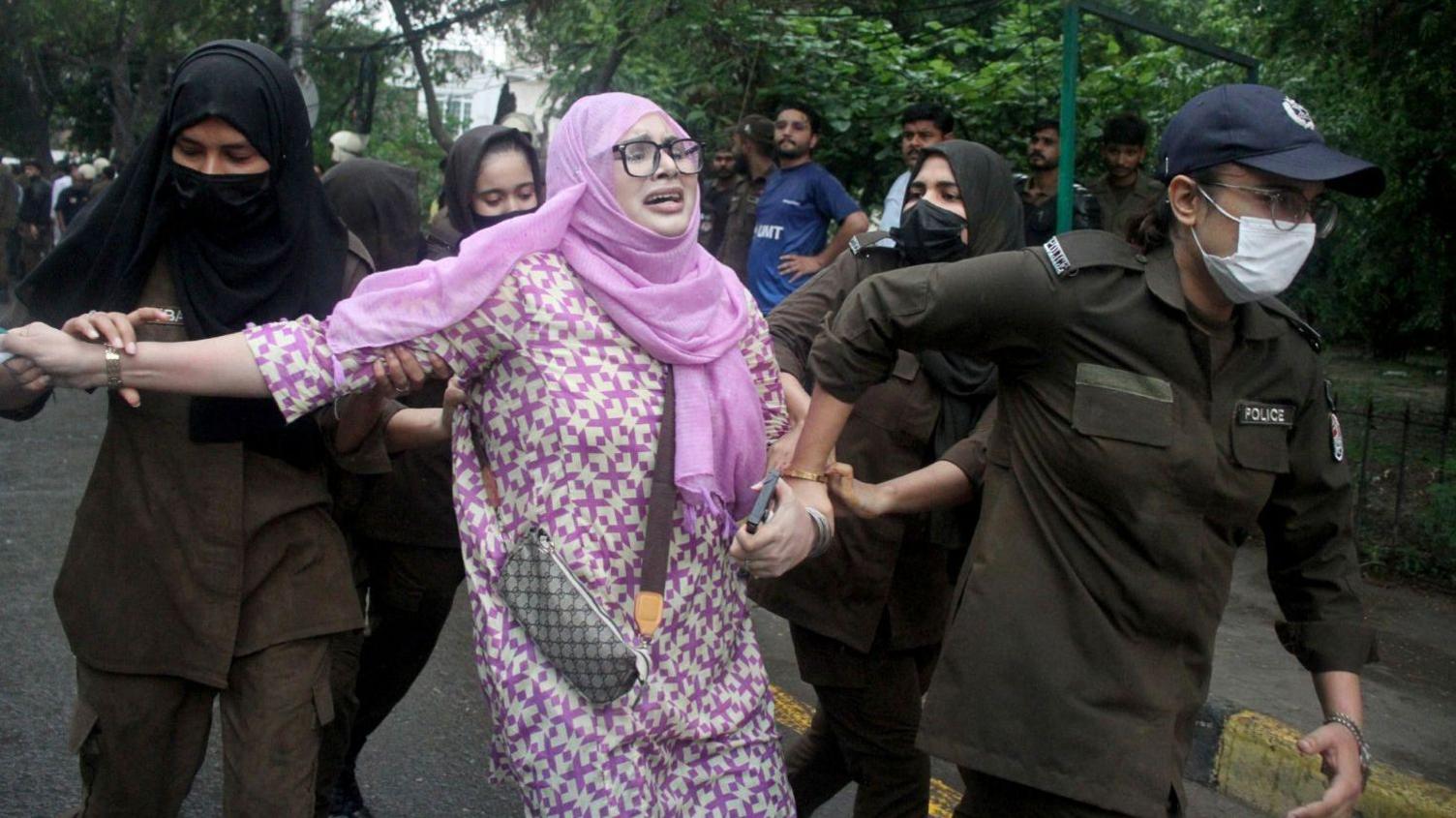
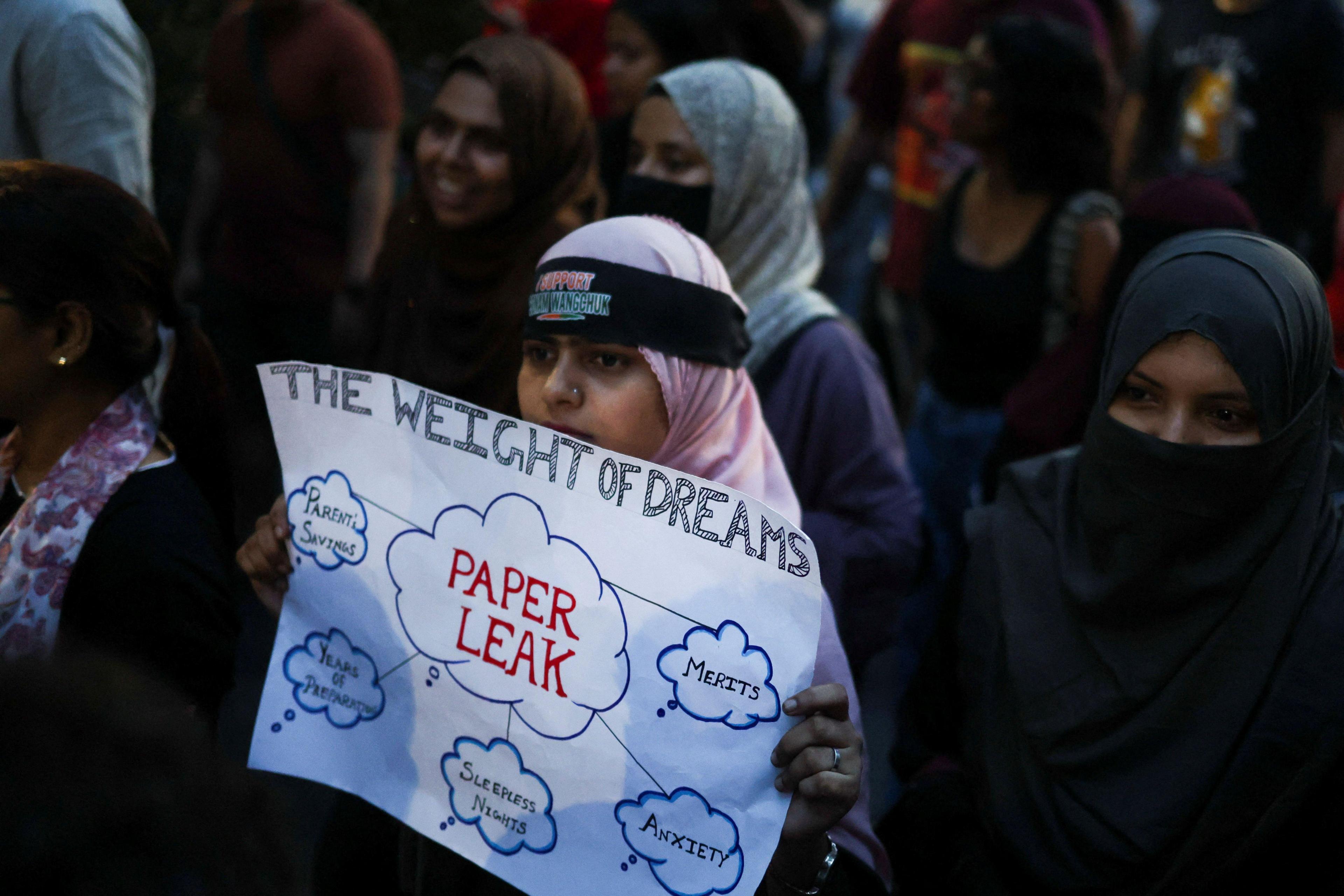
The stories sparked a student uprising in Delhi in July. Thousands marched outside the Parliament, demanding accountability. The movement pushed Education Minister Dharmendra Pradhan to resign, and the government offered compensation to grieving families.
But for the parents, the activism was only a small consolation. Prashant Patel, the lawyer who moved the family to Ahmedabad for better schooling, walked the protest route in Delhi to keep Kahaan’s voice alive. “I wanted accountability, not money,” he said. His loss forced him to plan public demonstrations that had nothing to do with scholarships.
The fallout from the leak shows how fragile student mental health is in a high‑stakes system. It forces us to ask — what happens when a system meant to champion diligence also becomes a pressure cooker? What can we do to give students a safety net that ensures they aren’t left shouting for help at the brink of breaking?
The movement is still online. Young people are using TikTok to share stories about their study woes. In 60‑second videos, they ask: “Has anyone else felt pressured to study? How did you cope?” The answers bring hope but also expose a real need for new norms—whether that’s better exam security or mental‑health support.
The case of Kahaan and Pradeep shows that family, ambition and social pressure collide. The single crack in the institution’s texture can cause a wedge that breaks many lives. The question remains: will we ever learn to fix the crack, or will more voices like theirs get silenced before the next exam?