In brief
A March 2026 protest by the Cockroach Janta Party sparked a national debate when women used profanity at the rally. Prime Minister Narendra Modi called it a “culture shock,” but opposition leader Rahul Gandhi slammed the double‑standard, saying the focus on women reveals patriarchy. The controversy also trapped a 15‑year‑old girl who was harassed online, while other commentators point to a long‑standing culture of swearing across India. NGOs and activists argue that cussing is a symptom of a broader democratic decline and urge society to curb its spread. As the conversation gains momentum, young voters are being asked to weigh in on whether language matters in protests.
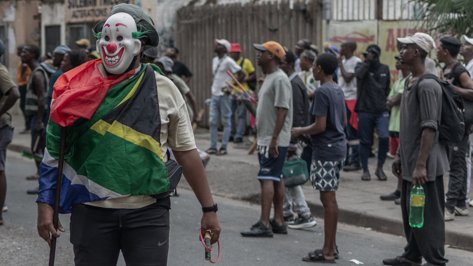
When a youth‑led protest in Delhi’s Jantar Mantar in 2026 turned violent, it wasn’t just the slogans that lit up the streets. A column of young women, marching against exam paper leaks, let loose a barrage of profanity aimed at Prime Minister Narendra Modi and the government. The moment went viral, and the headline that followed was – “Is it worse when women swear?”
Prime Minister Modi dismissed the outburst as a "culture shock" and later called for forgiveness, but his words were slammed by opposition leader Rahul Gandhi. Gandhi argued that the focus on women’s language shows a lingering patriarchal bias, saying, “If boys swear there’s no problem; if girls do it, it becomes a cultural shock.” The debate now includes a 15‑year‑old girl who has become a target of online hate, and it cuts across a society where swear words run rampant.
The issue of profanity is far from new. Journalist Namita Bhandare points out that women in many Indian villages routinely use expletives in wedding rituals, challenging the claim that women are unacceptably vulgar. She calls the "culture shock" label a double standard that hides the fact that leaders, across political parties, have used slurs against women when it suits them. A survey by activist Sunil Jalan shows that 55% of 70,000 participants from 28 states admit using foul language, with prevalence as high as 80% in Delhi.
Gani‑si of oppression, Gali Bandh, is growing in popularity, spotlighting that swearing should be curbed regardless of who uses it. Sociologist Shiv Vishwanathan argues that profanity in Parliament and courts signals a deeper democracy breakdown, while young activists say it helps keep protest energy alive. The question remains: is swearing a tool of dissent or a sign of disrespect? The conversation continues to spread both on the streets and in the comment sections of news sites.