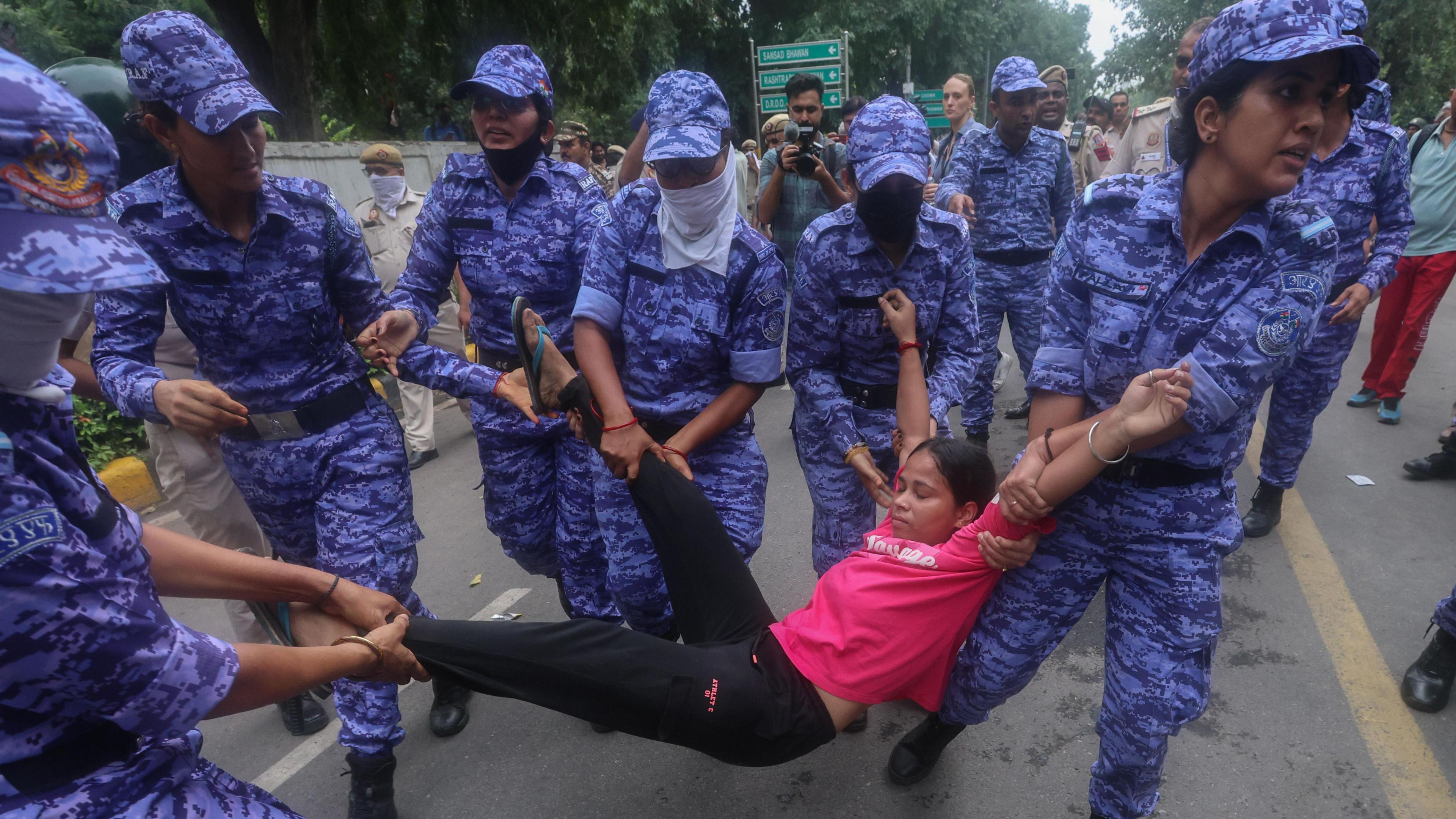
The Cockroach Janta Party (CJP) has surged in Delhi, with tens of thousands of students and activists marching to Parliament demanding the resignation of the Education Minister Dharmendra Pradhan. A police crackdown earlier this week saw batons, tear gas and violent clashes, leaving more than 60 protesters and 118 officers injured.
Despite a ban, the march reached the heart of the city, and the opposition party leaders, including Rahul Gandhi, condemned the violence and called for accountability from the government. The CJP, a youth‑led movement that originated over an infamous comment by the chief justice about unemployed youth, has now broadened its agenda to overhaul India’s education system.
Like schools and colleges, the protest site at historic Jantar Mantar became a symbol of dissent, drawing global attention after the satirical movement turned into a serious political statement. The activists claim that the NEET exam paper leak—affecting more than 2 million candidates—was the spark that demanded changes in accountability.
Even after the police cited violent behaviour by the protestors, the CJP refused to disperse, stating that authorities were the aggressors. Social‑media videos later showed police beating protesters, raising questions about the state’s response.
While hearings with the health minister of the ruling party offered brief hope for solutions, the scale of violence and the intensity of the protest highlight youth’s increasing influence in shaping India’s future.