Lebanon votes to abolish death penalty
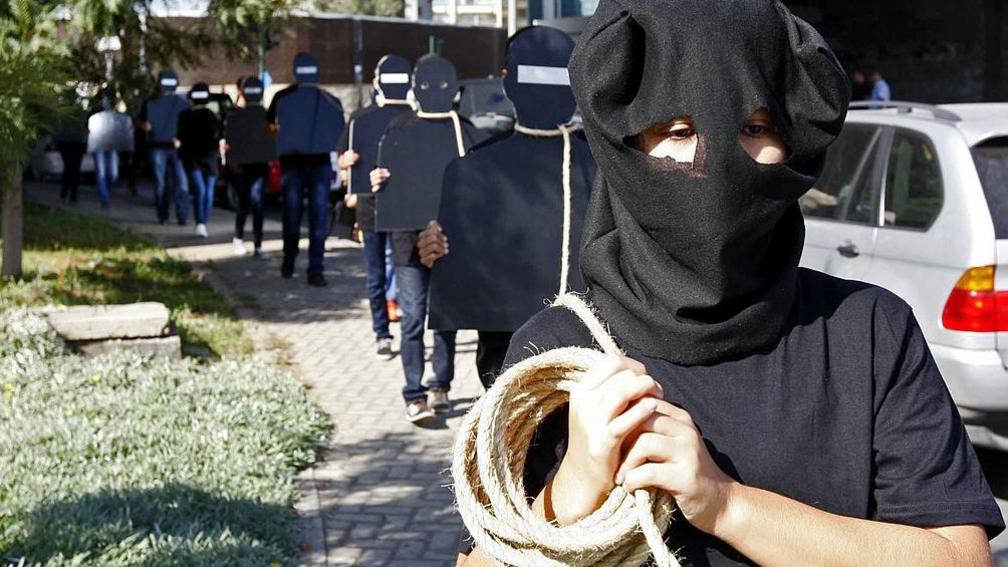
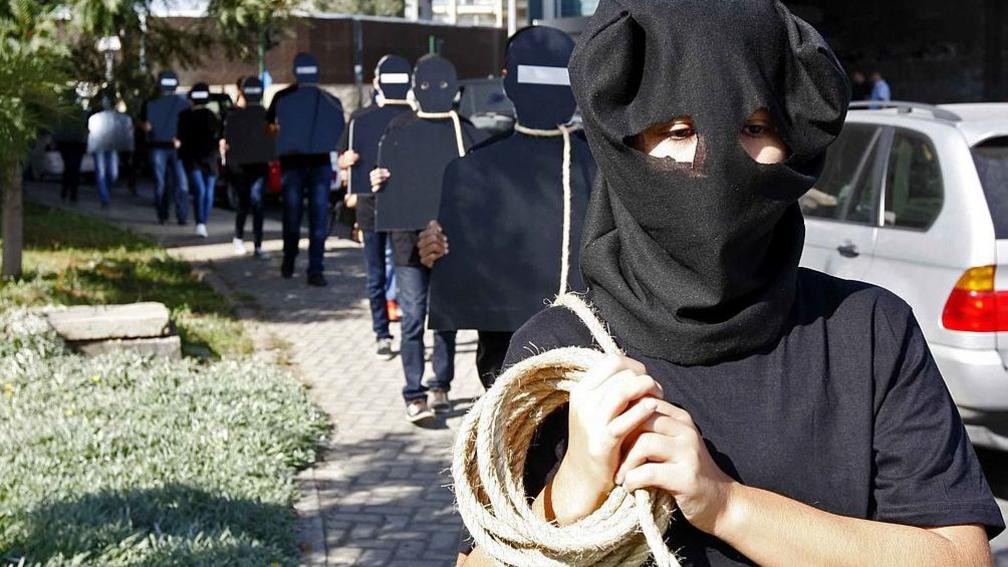
In a historic move, Lebanon’s parliament voted to formally end capital punishment, making the nation the first in the Middle East to ditch the death penalty.
The decision was backed by a majority of MPs, though Hezbollah’s parliamentary bloc stood against it. The bill will now go to the cabinet and then to Prime Minister Joseph Aoun for signature.
Lebanon hasn’t carried out an execution since January 2004, though courts continue to hand down death sentences. Rights groups say over 78 people remain on death row.
Under the new law, capital punishment will be replaced with life imprisonment and hard labour—an existing, but rarely used, punishment that suffers from the country’s financial crisis and prison overcrowding.
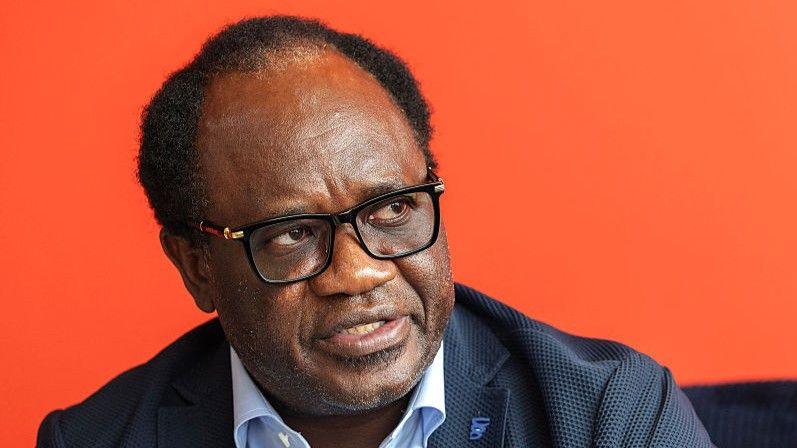
The change follows years of campaigning by civil‑society groups and lawyers. “We cannot solve a crime with a crime or end violence with violence,” said activist Oragit Younan, co‑founder of the Lebanese Association for Civil Rights, after nearly three decades of lobbying.
“Even in this war, we can fight for human rights and become a model for others,” Younan added.
The move arrives as the debate over the death penalty remains sharp elsewhere in the region. Jordan resumed executions in June, while Israel’s parliament approved a law expanding capital punishment for certain crimes. Iran continues to use the death penalty to suppress dissent.
Lebanon’s decision could signal a shift toward more humane justice systems across the Middle East.