In brief
A sudden torrent rocked the border town of Gyirong in Tibet, sweeping away bridges, homes and hundreds of people. The footage filmed by CCTV was widely shared on the international internet, yet Chinese state media posted only a single grainy still and even that is hard to find on domestic sites. The Chinese government’s swift rescue campaign—led by President Xi and Premier Li Qiang—coincides with a calculated effort to keep the flood narrative under control and prevent potential unrest. In Tibet, voices for survivors and family members remain virtually invisible, reflecting a broader pattern of restricted information about the region. The story underscores the clash between disaster response and censorship in an era where social media can expose anonymous truths.
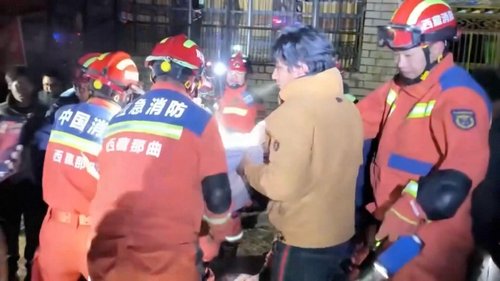
The flood that broke out on Tuesday ripped through Gyirong Port, a key crossing between Nepal and Tibet. The torrent forced people to scramble into the air, buildings collapsed and a trail of mud and water swept streets—an image that spread swiftly across social media worldwide.
In China, the footage faced a different fate. State‑run CCTV shared only one still‑frame with viewers, and tracking down the video on the country’s heavily filtered internet is virtually impossible. Information about deaths, missing people and rescue operations is sparse in domestic news, with most posts on social‑media being swept or blocked.
The government has been hold‑tight on the story. President Xi chaired an emergency meeting with officials, and Premier Li Qiang personally visited the area to oversee cleanup. The narrative is framed around “rapid response” and “new infrastructure” while avoiding any mention of the scale of tragedy or the difficulty survivors face.
Tibet’s history of resistance and strong Buddhist culture mean that showing the flood in all its truth risks stirring broader discontent. The Communist Party fears such events could become a rallying point for dissent. Local party offices urged members to ensure social order and call for “stability” while threatening those who defied the narrative.
For the people on the ground, the lack of transparency is painful. No video or first‑hand testimony from Tibetan survivors exists at the moment, leaving families stranded without updates. While Chinese rescuers conduct search operations, national social media remains silent and even the slightest discussion is monitored and suppressed.
The situation highlights a stark contrast: how an internationally shared disaster is scrubbed in a country where freedom of expression is tightly controlled. Understanding this dynamic is key for anyone interested in how crises play out across borders in the digital age.