How a West German Warehouse Became the First Target of a New Smuggling Law
Berlin has made its first raid under a December law that makes it a crime to help move migrants from Germany to the UK. The raid happened a few weeks ago in a hidden police warehouse near the German city of Erfurt, in the North Rhine‑Westphalia region.
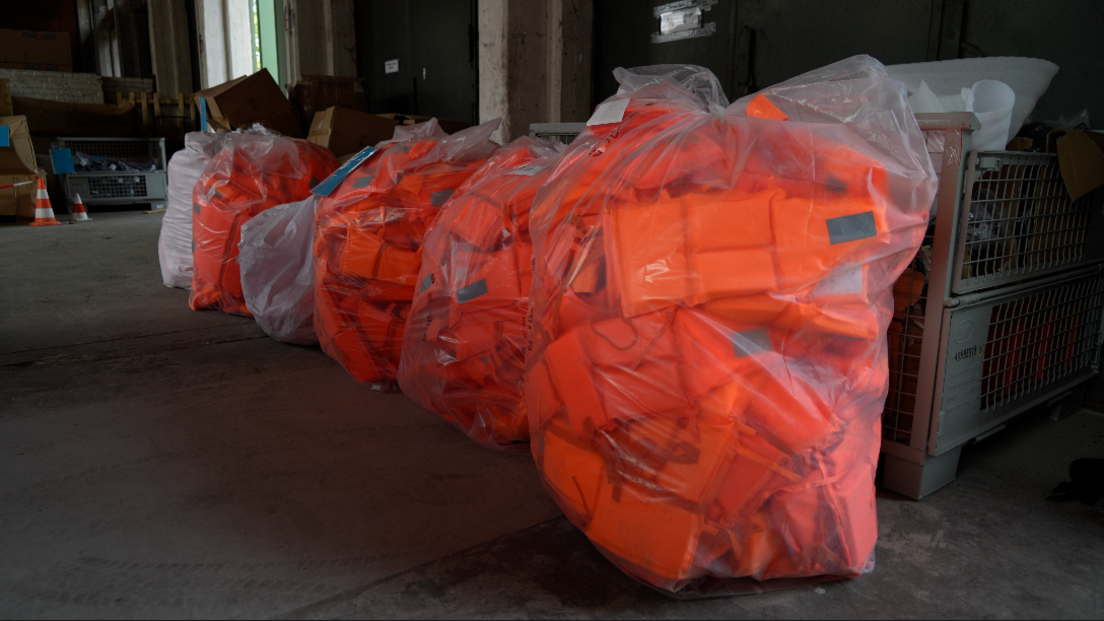
Police seized an estimate of 9,000 bright‑orange life jackets, 54 inflatable dinghies, 10 engines and 360 pumps. Experts say the dinghies were about 9 m long (roughly 30 ft) and could carry around 65 people each— enough to move more than 2,000 refugees across the Channel, according to the UK’s National Crime Agency.
The new law was introduced to target “small boat” smuggling. Before that, the pocket of illegal crossings at the French–German border was only covered by EU law, which didn’t apply to the UK after Brexit. Now, the law places German police in a position to act independently, even when the supply chain is hidden abroad.
What the Raid Shows About Global Smuggling Networks
- Most of the gear—especially the life jackets—carries Chinese lettering. The tiny foam that fills the orange covers is designed for cheap cheapness, not seaworthy safety.
- The boats were built in China, shipped to Turkey, and then moved into Germany before heading to northern France. Customs officers recently found two dozen tons of undetected inflatable boats hidden under mattress pads at the Turkish‑Bulgarian border.
- Smugglers rely on Western Germany because many gang members live there. Western Germany also has a convenient distance from heavily‑patrolled beaches in northern France.
- The move appears to drive gangs to cram more passengers on each boat, creating “mega dinghies” that can carry 70‑plus people—mind the danger.
The Danish‑based Migration Observatory has told the BBC that the container of life jackets and boats had been stored exactly as found—packs frozen, no signs of refurbishing. It was the first time German police had used the new smuggling law.
Legal Viewpoint
Bernhard Schmeilzl, a lawyer who focuses on UK‑German law, said “This new law essentially restores the pre‑Brexit approach to smuggling. What matters is that German police can now act without waiting for a foreign warrant.” He added that the law may have limited impact because many smugglers operate from other EU countries, but it creates a stronger deterrent.
How the Raid Fits Into a Bigger Picture
According to the UK Home Office, the number of crossings across the Channel fell by 43 % between 1 January and 8 August this year, versus the same period last year. The drop is tied to stricter enforcement—more police on French beaches, a crackdown on the supply chain—and not just bad sea conditions, though those do help.
The raid shows that European collaboration is key. Germany, the UK and France signed a 2024 agreement to tighten anti‑smuggling laws and to target the supply side—these joint actions are now being put into play.
The BBC will continue to monitor how the new law is applied and how smugglers adapt. Below is a short 60‑second video summarizing the raid—watch on SnapScope’s app.
[Video link placeholder]