In brief
China’s foreign ministry has warned its citizens that staying in Eswatini—an African ally of Taiwan—poses serious security risks, citing rampant cyber‑fraud linked to illegal gambling. The advisory suggests relocating to safer countries like South Africa. The move follows a tense episode in April when Taiwanese President Lai Ching‑te’s trip to Eswatini was cancelled amid Beijing pressure on overflight permits. Earlier this year, China dropped tariffs for all African nations except Eswatini, signaling growing friction. The exact number of Chinese nationals affected remains unclear, but 40 were recently detained during anti‑gambling sweeps.
China’s foreign ministry announced yesterday that it is urging its citizens to leave the Southern African kingdom of Eswatini because of “security risks.”
The ministry said the main threats come from “rampant cyber fraud and criminal activities associated with gambling,” but it didn’t list any specific incidents. It told people to relocate as quickly as possible to “relatively safer” locations, notably neighbouring South Africa.
Eswatini is one of twelve countries – the only one in Africa – that maintains diplomatic ties with Taiwan, a territory China claims as part of its sovereign territory. In March, 40 Chinese nationals were detained for trying to leave the country, following raids on alleged illegal online gambling centres in the capital, Mbabane.
The group’s lawyers argued that the nationals had already pleaded guilty to immigration offences, paid courts' fines, and were released on a High Court order. They contended that the subsequent re‑arrest was unlawful.
The Chinese advisory warns those who choose to stay that they face “extremely high security risks” and that “the timeliness of assistance may be affected.” No figure is known for how many foreigners live in Eswatini.
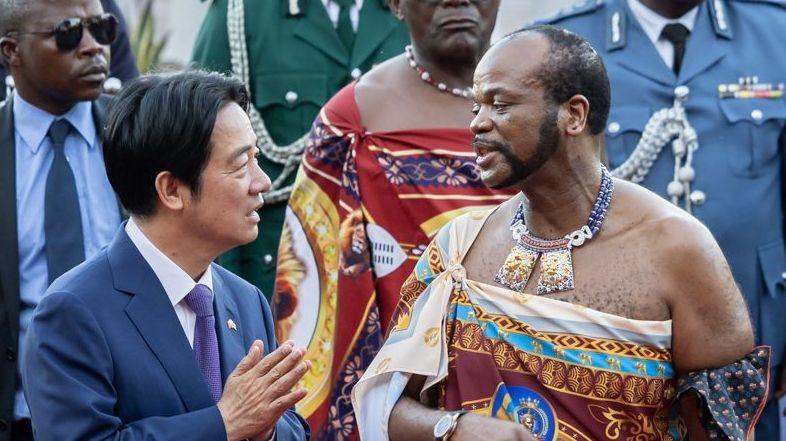
The tension dates back to last year when Taiwan’s president, Lai Ching‑te, was slated to visit Eswatini and Beijing pushed neighbouring nations to revoke overflight permits, leading to a cancelled trip. Lai eventually did travel in May, but the authorization was not publicly announced.
Since then, China has removed tariffs for all African nations except Eswatini, showcasing the deepening rift over Taiwan’s diplomatic allies. The current advisory underscores the ongoing geopolitical chess‑game in the region.