How Fake Insta‑Deals Turned 78,000 Dreamers into Danger Seekers
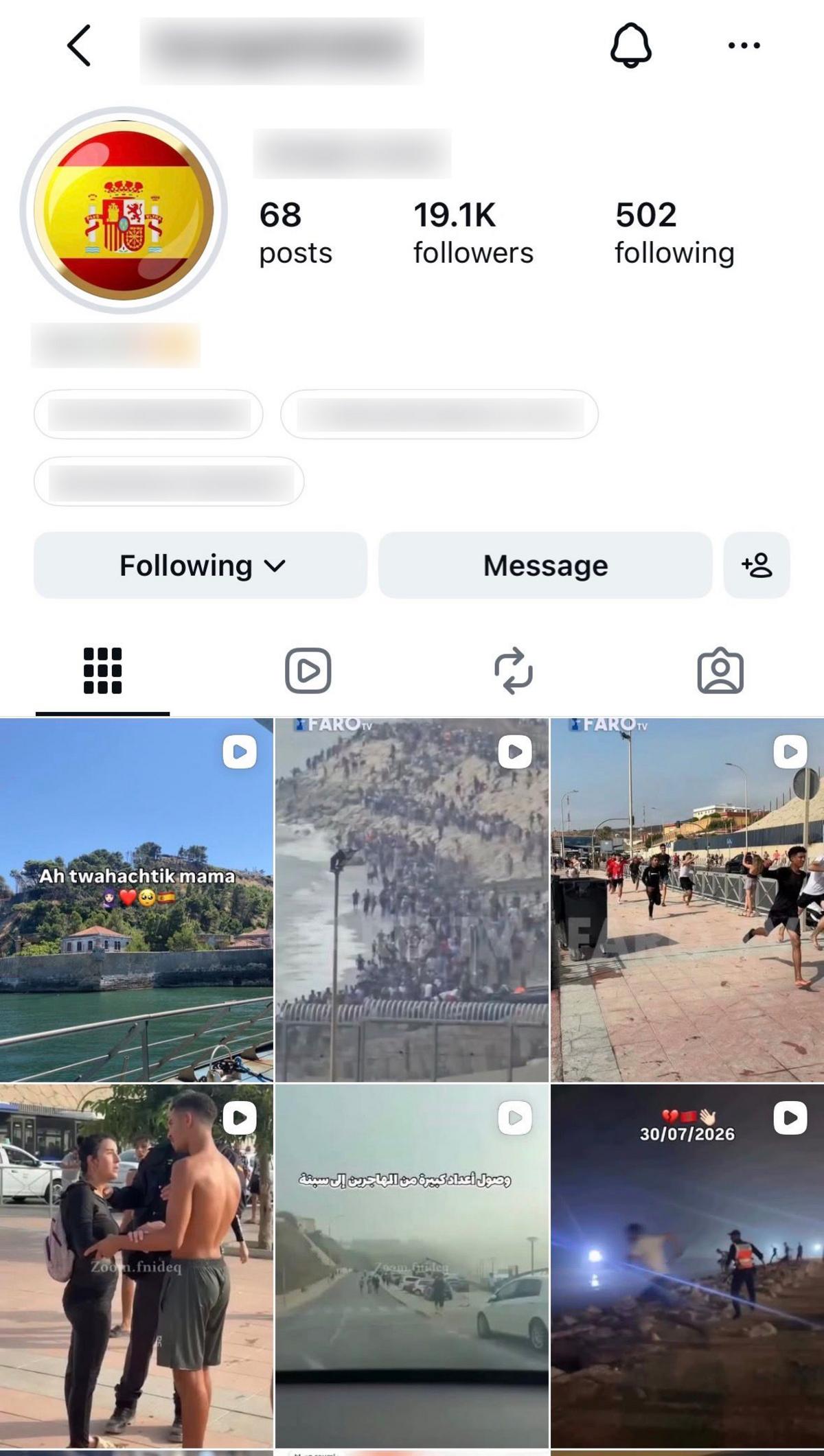
A picture of rubber flotation rings on a beach makes a calm scene of a coastal enclave – Ceuta – look ordinary. Beside it, a network of Instagram accounts advertised the same crossing as a quick, cheap ticket to Europe. A BBC investigation reveals how the posts were part‑paid, part‑apologetic, and dangerously misleading.
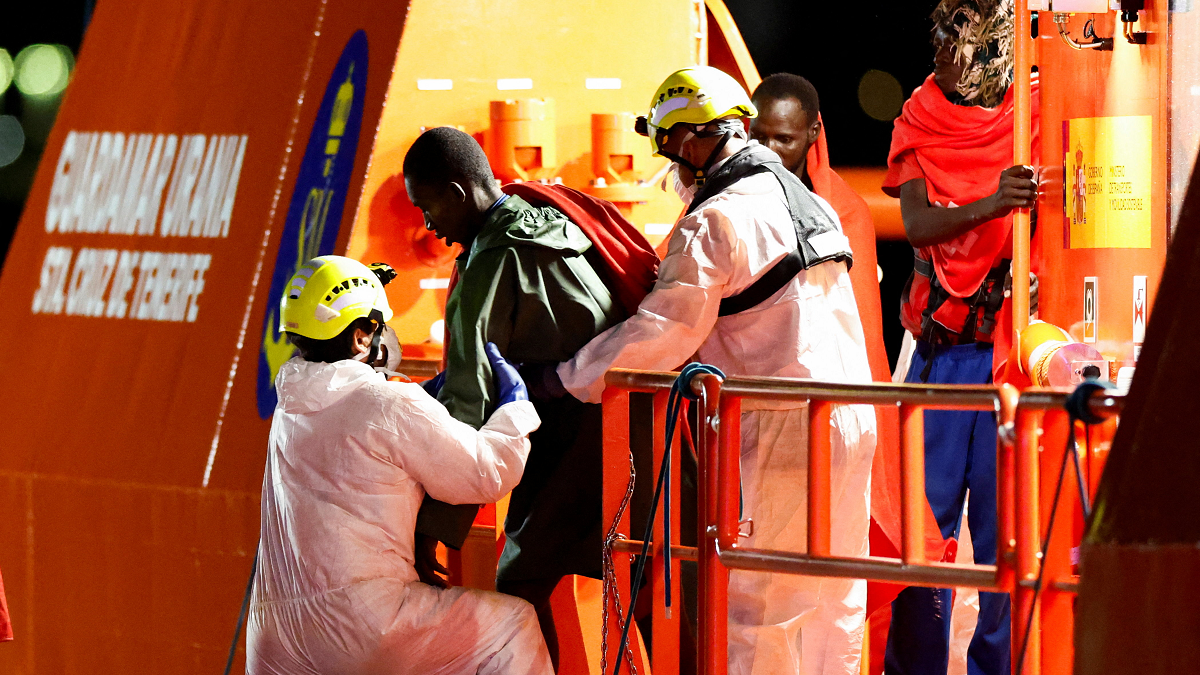
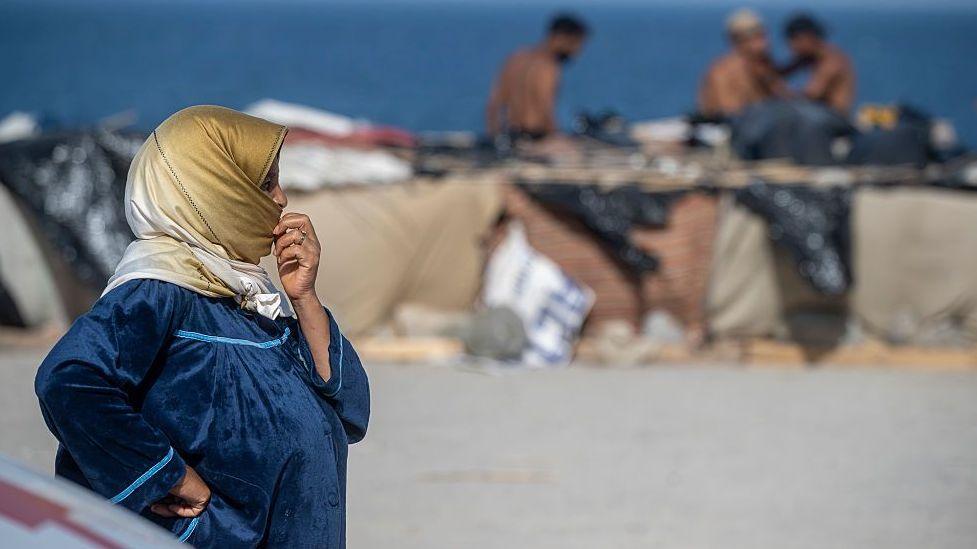
Using a dummy profile named Mohammed, journalist Marianna Spring followed a dozen “Haraga”‑styled accounts that promise to send you to Ceuta for “a few hundred pounds.” The accounts boast “many successful crossings” and offer a “sewer‑pipe” escape route, but the reality is harsh: the sea can be deadly; the route takes hours; almost a century has already died in the attempt this month.
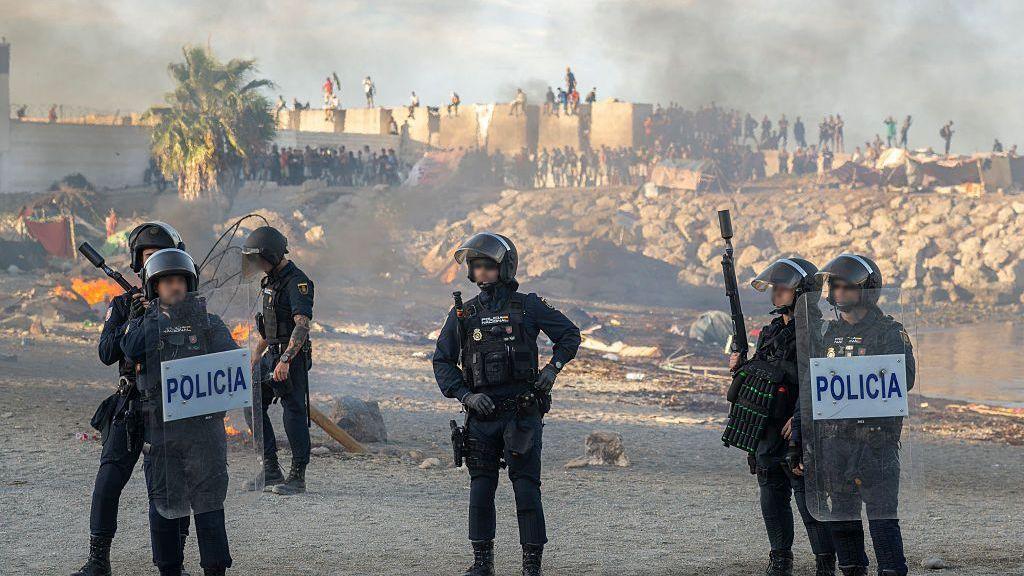
- 78,000 migrants arrived by sea in a single night – 100 died.
- Instagram’s algorithm keeps aspirational, emotional posts front and center.
- After BBC warnings, Meta removed several profiles.
- 75,000 of those arrivals were returned to Morocco.
- EU–Morocco diplomatic tensions have risen because of the hit-and-run excitations.
Social media can turn curiosity into catastrophe. The more a story sparks strong emotion, the higher the visibility. This “Haraga” network shows how algorithmic amplification of deceptive content can push desperate people into risky, often fatal, journeys.
If you’re scrolling through Insta or TikTok, remember that not every inspiring story is real or safe – double‑check official sources before you take the plunge.