Spain has threatened to impose counter‑measures on Italy if the Italian government refuses to lift the border controls that were imposed last week after a wave of migrants flooded the Spanish exclave of Ceuta.
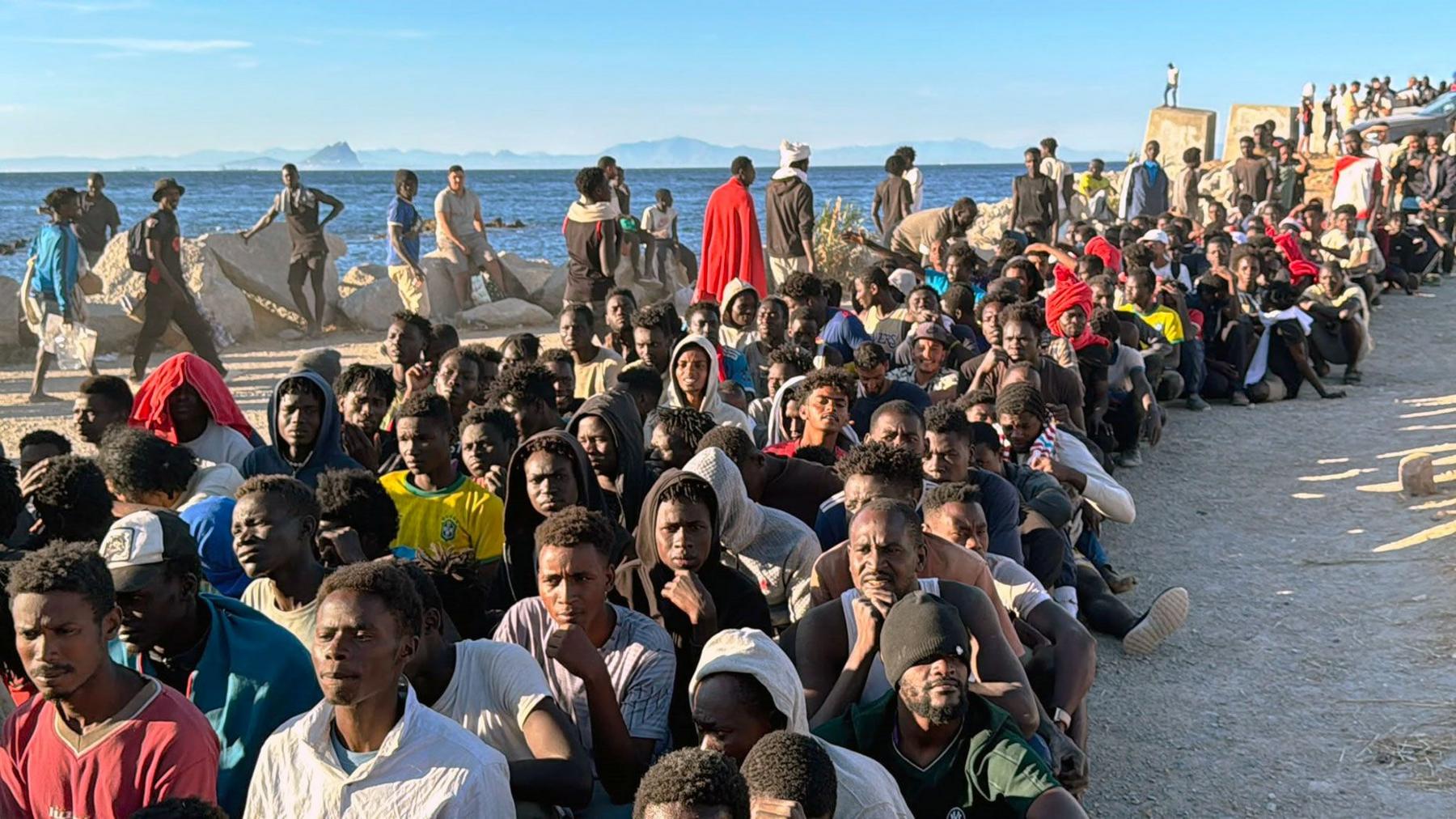
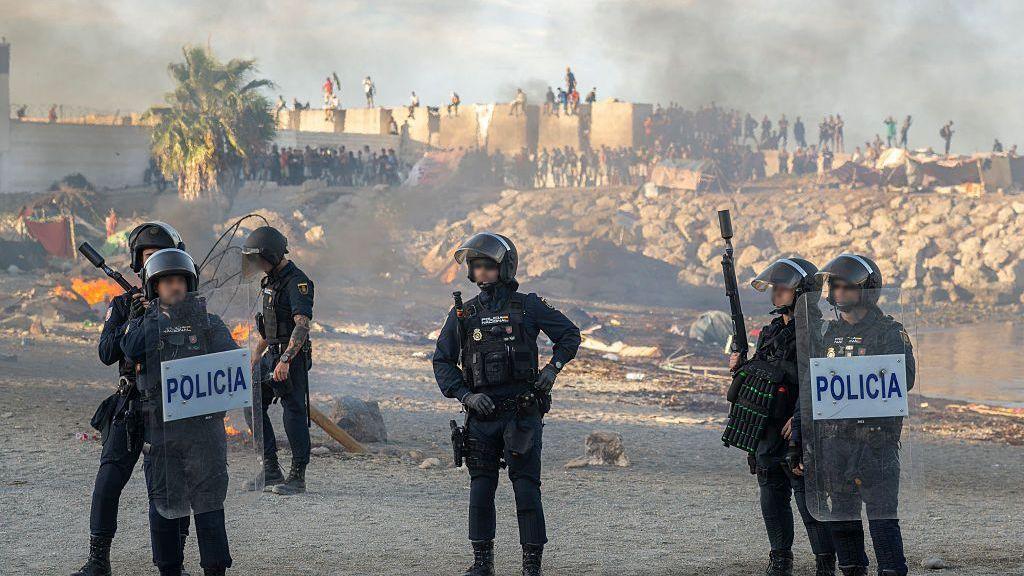
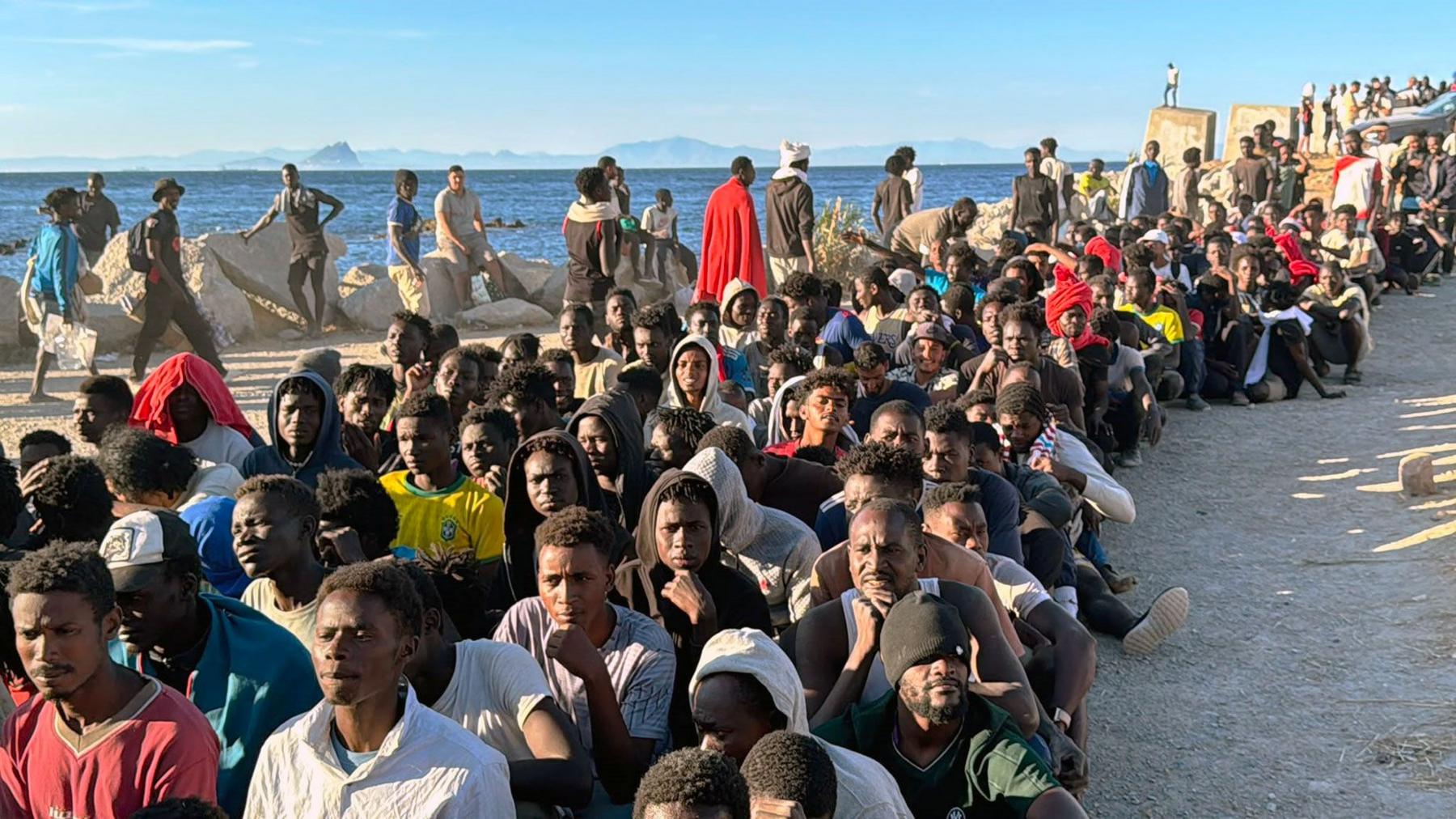
In the summer, more than 78 000 people entered Ceuta by sea in just a couple of days, with an estimated 100 deaths reported along the coast. The surge forced Madrid to react quickly, closing maritime and air entry points and tightening land border checks. Italy, which has no land border with Spain, partially suspended the Schengen arrangement to stop people already in Ceuta from moving on to the rest of the EU.
On 9th August, Spain warned that it would introduce “proportionate measures” if Italy did not reverse its decision. The statements were vague, leaving outsiders guessing whether it would mean travel bans, trade restrictions, or diplomatic pressure. Italy, in turn, slammed the ultimatum, saying that Madrid was “ignoring facts” and that it would keep checks until at least 15 August.
The clash comes amid a broader debate in the EU about how best to handle migration. Countries like Finland and Denmark have backed Italy’s stand, while others call for temporary suspensions of Spain’s Schengen status. Meanwhile, Morocco has pointed the finger at Spain’s Supreme Court for loosening restrictions on migrants at sea.
Despite the tensions, many of the 78 000 people who crossed Ceuta have already returned to Morocco. However, officials say that thousands of minors and vulnerable civilians are still trapped in the enclave, with Spanish authorities working to process them slowly to ensure safety and care.