In brief
France’s massive summer wildfires have led to 420 arrests, including 166 minors, as authorities crack down on accidental and deliberate flames. While climate change fuels higher temperatures, most fires still ignite from human activity such as cigarette butts, faulty equipment, or negligence. Investigators track blaze origins with V‑shaped patterns, but many convictions face scrutiny for being overly harsh. Politicians urge adaptive forest management and tighter safety rules, while the public remains concerned about the environmental and social fallout.
Quick Take: 420 people, including 166 minors, were detained in France’s most destructive wildfire season since WWII as the government struggles to assign blame.
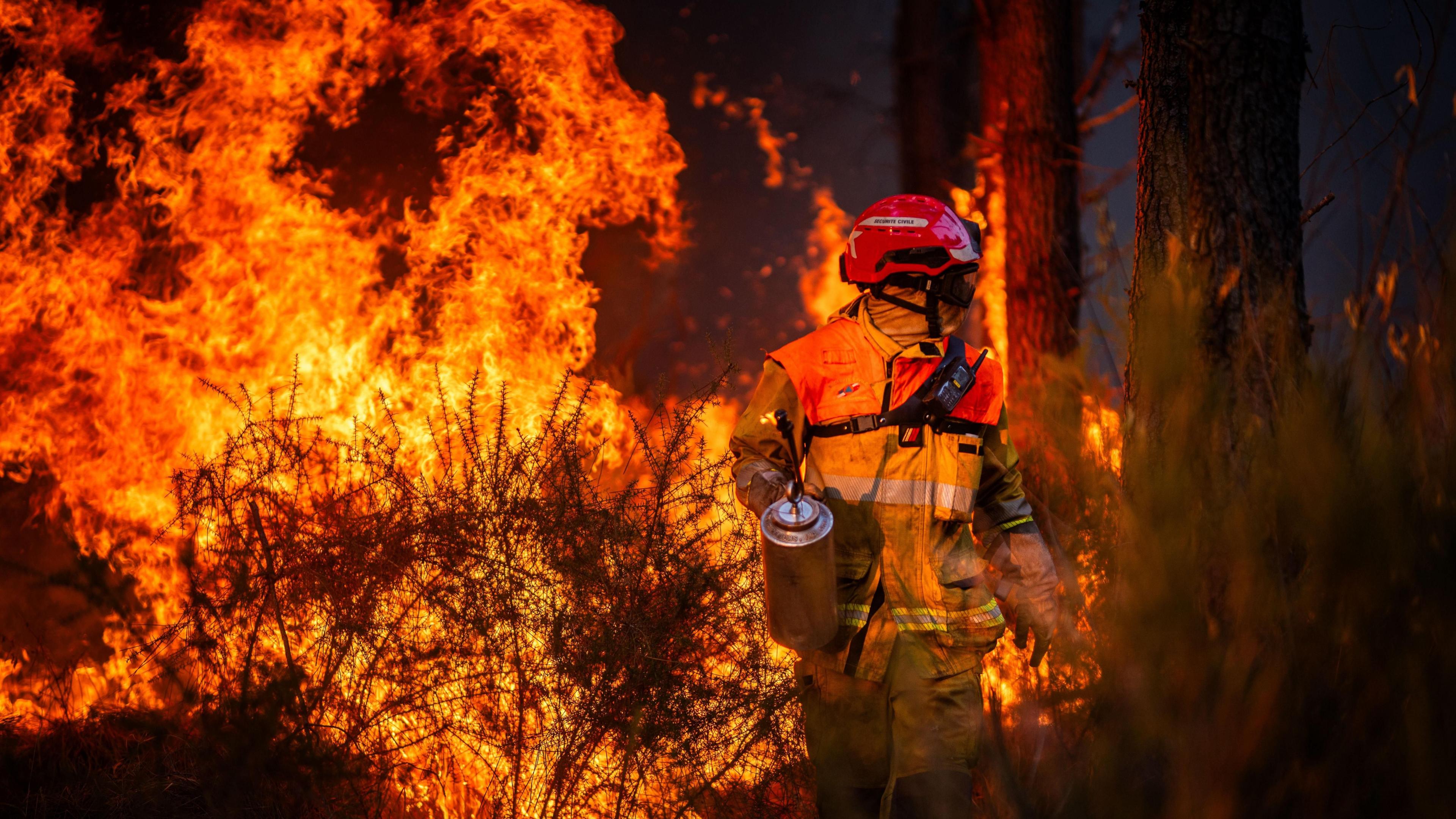
Wildfires this summer burned over 300,000 acres, and data shows nine out of ten fires are human‑caused. While climate change keeps temperatures rising, the majority of blaze starts come from accidental sources—cigarette butts, barbecues, faulty equipment—or reckless behavior.
The Interior Ministry’s list includes serious cases: a 23‑year‑old faced a 15‑year sentence for launching ten fires in five days, and a man got three years for three small forest ignitions. But the crackdown has raised concerns of being over‑punitive—homeless and autistic individuals were jailed for throwing cigarette butts, and firefighters have been accused of starting duels to gain praise.
“Only a few square metres of vegetation went up in smoke,” warned a local newspaper. Yet, a leading lawyer says many arrests might never lead to convictions, with the media questioning police diligence.
An investigator explains that in droughty conditions a fire can spread from a single lighter or cigarette. He lays out the “30” rule: a temperature over 30°C, humidity less than 30%, wind below 30 km/h, and at least 30% of the cigarette unburnt. In France’s dry summer, such conditions are common, making sparks go wild.
Three types of fire starters exist: careless, profit‑based (like insurance payouts), and pyromaniacs—rare, mental‑health cases. Lawsuit evidence also shows a few firefighters have allegedly started blazes for recognition or finance. Specialists warn that with a looming heatwave the firefighting puzzle will grow more urgent.
President Emmanuel Macron stresses the need to “replant and rebuild” France’s forests to adapt to climate realities, while urging national collective action. The fires have hit homes, tourism, local businesses, and air quality—fueling ongoing public concern.