In brief
The story of 97‑year‑old Guna Maya Bohara, pulled from debris after Nepal’s flash floods, spotlights human perseverance amid climate disasters. Her great‑nephew, Dipak Bohara, described her as a "warrior" who came back victorious. The four‑hour rescue was part of a wider operation that saved hundreds after a collapsed glacier triggered deadly floods. Behind the heroic narrative lies a stark reality of lives lost and communities affected. Follow the story and learn more about how Nepalis are preparing for future catastrophes.
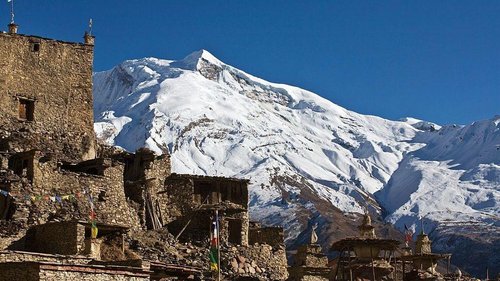
On a blustery day in Nepal’s eastern Himalayas, a 97‑year‑old woman named Guna Maya Bohara was trapped in the wreckage of her care‑home after devastating flash floods knocked down buildings and filled streets with water.
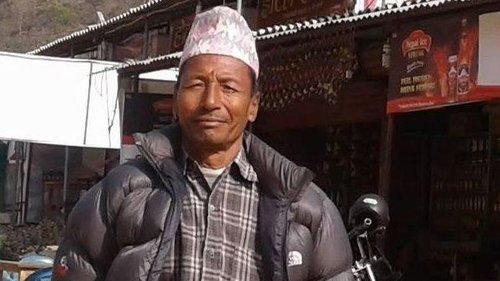
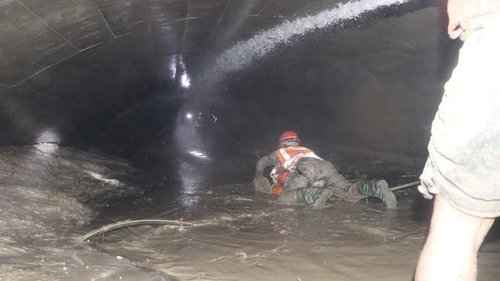
Her great‑nephew, Dipak Bohara, flew in from Kathmandu to help pull her out. After a tense, four‑hour operation, she emerged, bruised but still standing, and doctors say she’s recovering in hospital.
Dipak called her a "warrior"—a striking comparison to an army hero who returns from battle victorious. The words captured the on‑lookers’ disbelief at her spirit: a tiny old woman who seemed ready to fight back against the flood’s strength.
The floods themselves were triggered when a massive glacier collapsed, sending a torrent of water through the fragile mountain valley. Scientists estimate that hundreds of people have lost their lives since the crashes in mid‑morning.
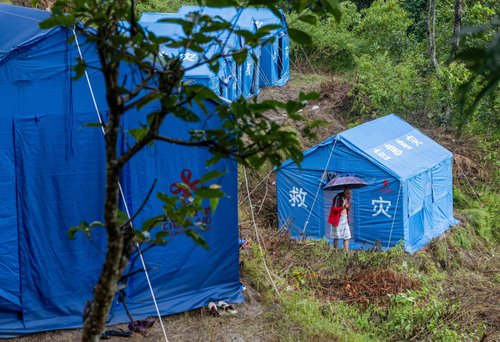
While the rescue highlighted extraordinary human will, the broader disaster has underlined the vulnerability of Nepal’s communities amid rising temperatures and unpredictable weather patterns. Efforts to rebuild and strengthen flood defenses are now a priority for the government and humanitarian partners.
If you want to read the full coverage, click here.