In brief
In Rawalakot, the heart of the Kashmir protests, a hastily‑convert‑ed medical room is treating victims of gunfire while election politics surge. Shafqat Hussain lies wounded on a makeshift bed, his friend Ali struggles to calm him as the pain of a lost son echoes across families. Doctors face limited supplies and the fear that many will arrive at once, forcing them to triage and seek better hospitals. Protesters demand better electricity, education, and healthcare, while authorities claim the demonstrators are armed and hesitant to let them move freely. Tensions remain high as roads are blocked and voices clash, leaving the future uncertain.
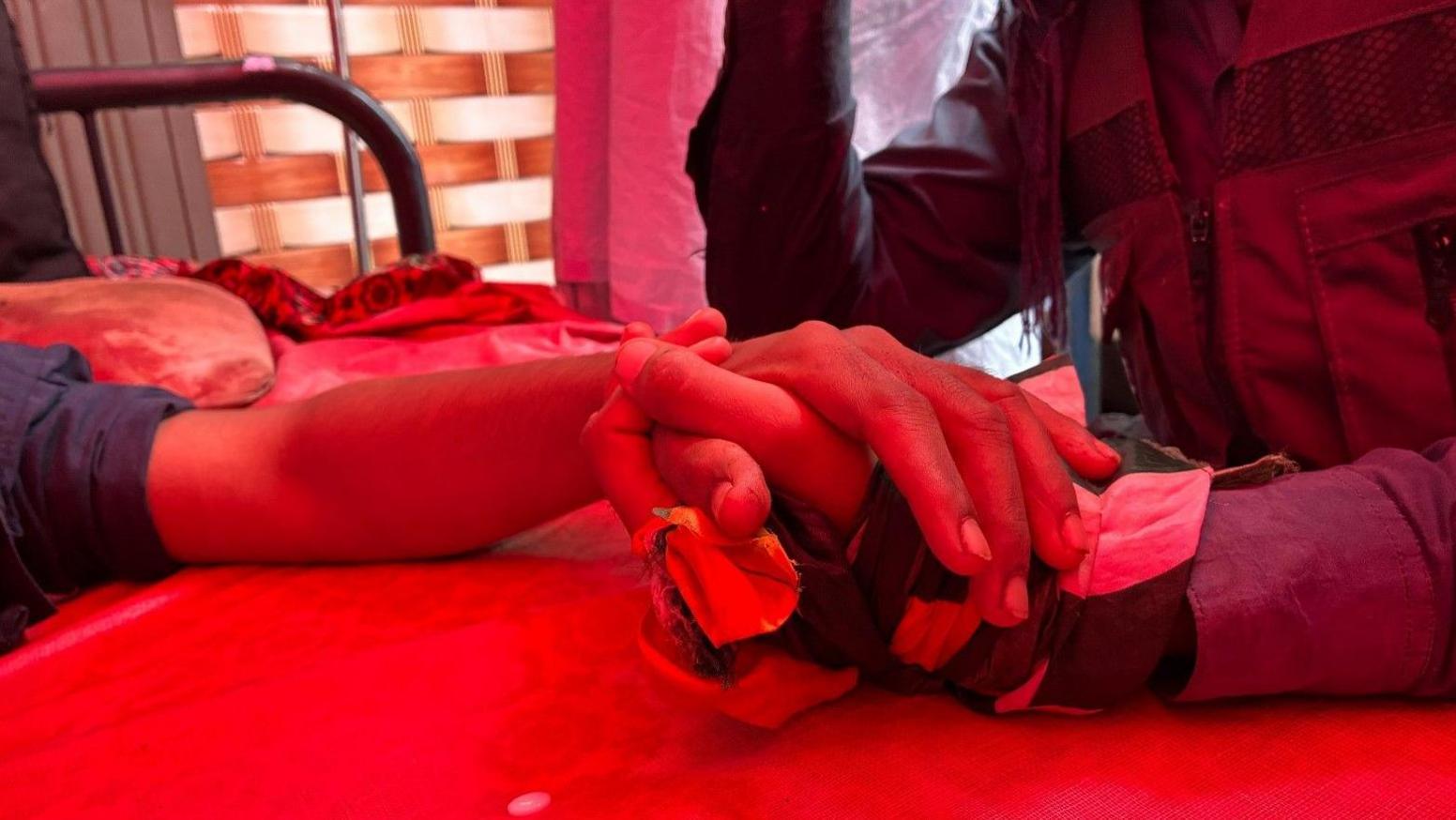
A makeshift clinic in Rawalakot, a city in Pakistan‑administered Kashmir, has become the frontline for protest‑related injuries. The room, set up in a spare bedroom, houses a bed covered with a red tarp and bins of medical supplies. Doctor Anwar admits that while first‑aid can stop bleeding, patients with serious gunshot wounds need advanced hospitals that are strained by the influx of casualties.
The wounded face lies of Shafqat Hussain, shot in the chest, whose blood stains the sheet that already carries the lives of others. He is in critical condition but the small clinic is doing what it can.
In the last two months, dozens of protestors have been killed during clashes between security forces and members of the Joint Awami Action Committee (JAAC). Roughly 4.5 million people live here and votes are currently being taken. It is the first time the BBC has spoken to residents at the protest epicentre.
“We have enough supplies to provide first aid but serious injuries need a main hospital,” says Doctor Anwar. He warns that major hospitals will be overwhelmed if many patients arrive simultaneously.
Since July 27, the clinic has treated about fifty to sixty injured, with the doctor personally attending to fifteen or twenty with gunshot wounds. Protestors are reluctant to head to the main hospital for fear of arrest or further violence – claims that the authorities deny.
Most victims are between fifteen‑to‑thirty‑five years old; very few are over forty. The protests revolve around demands for affordable food, electricity, education and healthcare. An agreement between the government and JAAC in October, meant to address these concerns, has not yet been implemented.
“We only asked for basic rights,” says young protestor Ali, who wipes tears from his face beside his friend. “Why is our brother shot?” The collective grief of families who have lost sons or brothers is palpable. Asma, a mother, comments that her son's death is a loss but also a moment of pride for fighting for justice.
Roads in Rawalakot are blocked by felled trees and guarded checkpoints, said authorities claim the barricades are to prevent violence from the group. Some roads are now shut; hospitals say supplies are not being denied. The government disputes that security forces indiscriminately fired at peaceful protestors, stating that they target offenders who attack law enforcement. A drone footage of men wearing black caps and rifles is frequently shown by police to prove hostility from the group.
In sum, Rawalakot sits at the crossroads of an unfulfilled political promise, a crisis of healthcare and a community grappling with the loss of its young. The world watches as claims of violence, money rewards for killings, and demands for rights collide in a volatile arena where every decision carries the weight of lives. The struggle is far from over, but the eyes of the world are, for now, focused on this small but critical town and the stories of its people.