In brief
Students and teachers demanded digital exams after paper leaks sparked protests that forced India’s education minister to resign. Experts argue that while an online system would close one vulnerability, new problems like technical glitches, inequity and the deep incentives for cheating mean technology alone can’t solve the crisis. The Supreme Court welcomed the reform plan but warned that trust, governance and multiple assessment pathways are essential, not just new software. With over 2.2 million candidates, it remains unclear whether they can ever take a digital test due to capacity limits and the need for multiple sessions.
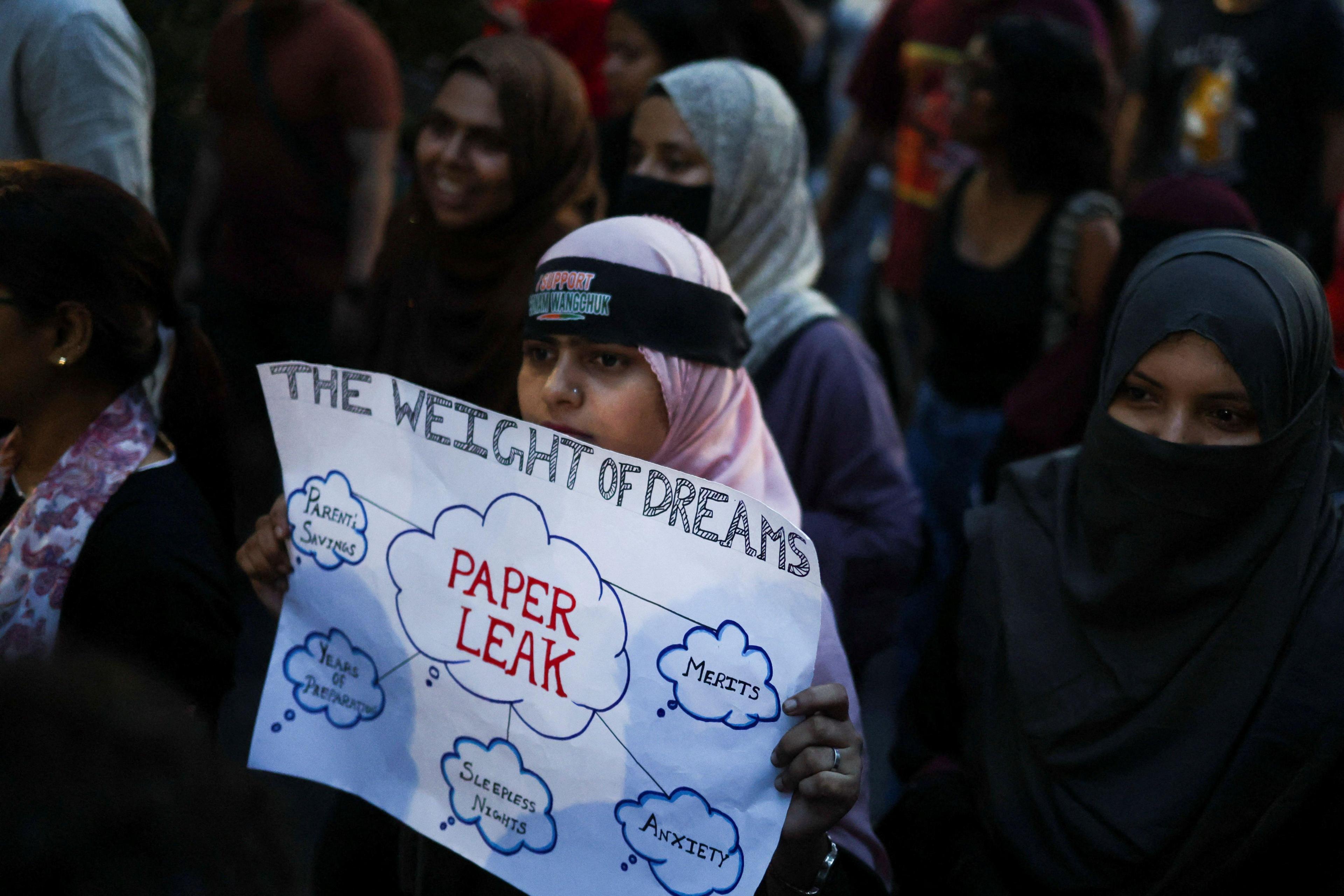
Students and teachers demanded a shift to computer‑based tests after the NEET paper leak scandal sparked nationwide protests and forced the education minister to resign.
\While an online system could block one vulnerability – the physical distribution of paper – experts warn that new challenges such as technical glitches, digital inequity and entrenched incentives for cheating will still undermine fairness.
\The Supreme Court accepted the government’s reform plan but emphasised that real progress requires trust, stronger governance and multiple assessment options, not just new software.
\With 2.2 million candidates, it remains uncertain whether a full digital test is feasible because current capacity supports only about 300,000 seats at one time.
\Protests around Delhi continue, underscoring that students demand a system where success is earned by merit rather than exploitation of loopholes.
\