US Seismologist Arrested in China
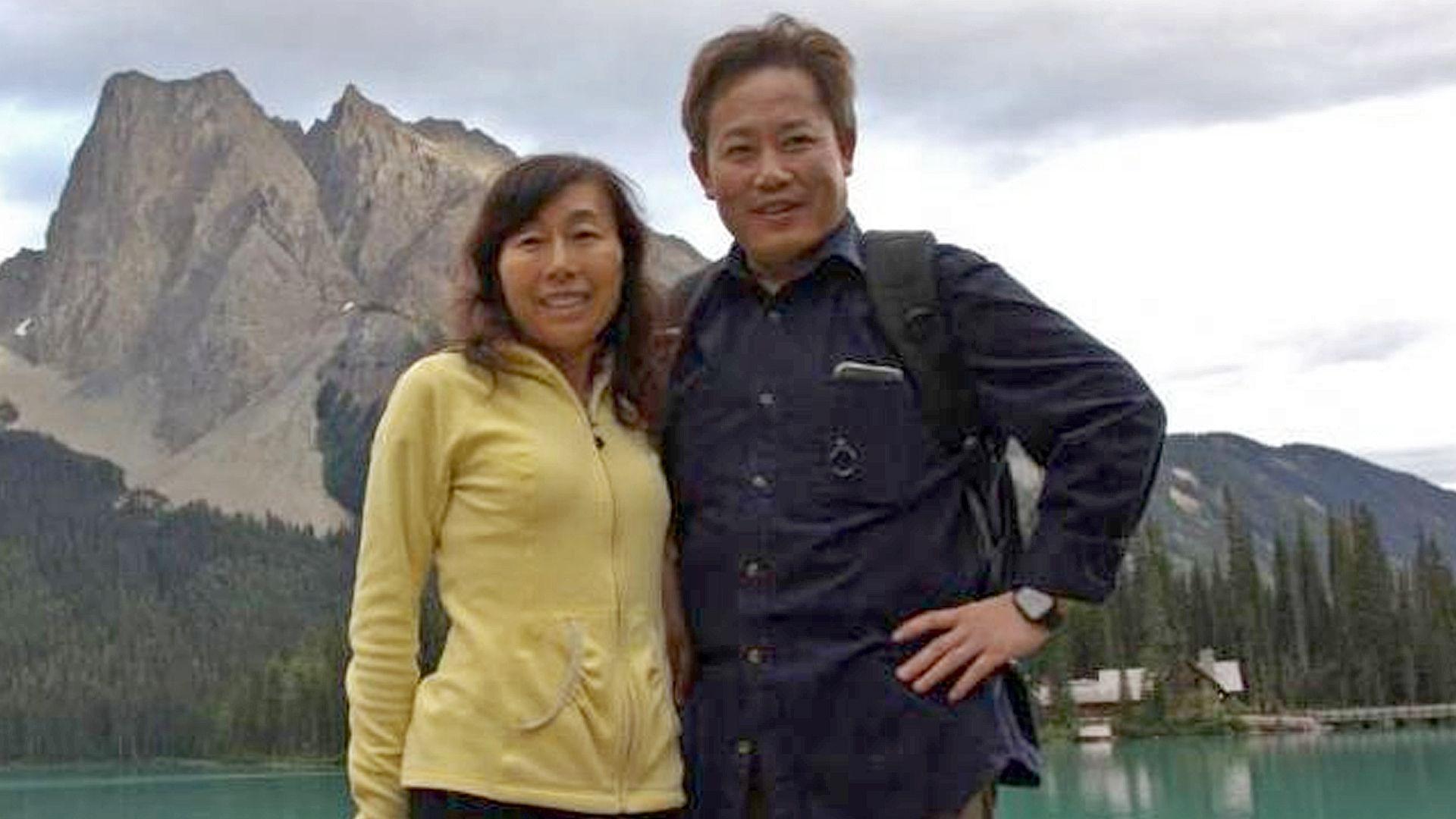
Chen Youlin, a 54‑year‑old seismologist who monitors nuclear explosions, was detained by Chinese authorities in November 2024. He was visiting family in Beijing when police seized him on espionage charges.
His wife, also a seismologist, says the accusations are false and contradict the open, collaborative nature of Chen’s work. She reports that he was interrogated over 100 times and denied a lawyer for 13 months.
Chen’s research focuses on North Korea’s nuclear tests. The U.S. government funds much of his work, and his data helps identify underground blasts and estimate yields—skills valuable to anyone studying nuclear weapons.
China says it follows its laws and that “there is no wrongful detention.” In China, espionage convictions can lead to life or death. Yet U.S. senators and advocacy groups claim the arrest is unjust and could discourage academic exchanges.
The case follows another U.S. scholar, Min Zin, who was also accused of spying. China’s actions have raised alarms about the safety of researchers working on sensitive security topics.
Chen’s family worries about his health; he has chronic diseases that require treatment. They appeal for his release and better access to care.
The detention also touches on the Comprehensive Nuclear Test Ban Treaty, which prohibits all nuclear explosions. Critics say China’s secret tests threaten the treaty, and that Chen’s expertise could aid countermeasures.
The incident underscores the fragile balance between scientific collaboration and national security, especially when high‑stakes research intersects with geopolitics.