In brief
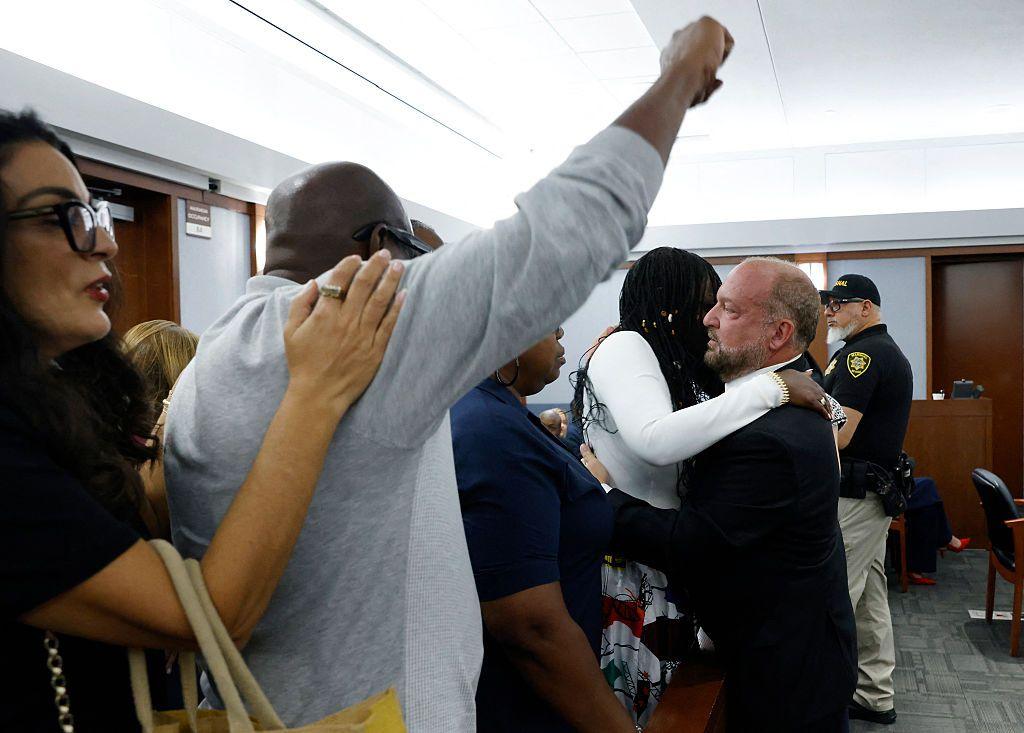
Decades of mystery end as former gang boss Duane "Keffe D" Davis is found guilty of planning the 1996 Las Vegas drive‑by shooting that killed Tupac Shakur. The court heard Davis’ own words, recorded in a 2008 police interview, and evidence that he supplied the gun used by his nephew Orlando Anderson. Shakur’s family and fans were stunned as the verdict echoed through the courtroom. Davis, who intends to appeal, faces a potential sentence later this year.
Last week, a 63‑year‑old ex‑Crip leader, Duane "Keffe D" Davis, faced a court that delivered a conclusion he’s likely to fight: guilty of orchestrating the 1996 drive‑by shooting that killed rap icon Tupac Shakur.
The verdict says Davis didn’t fire the gun himself, but he gave the orders and the weapon to his nephew Orlando Anderson, who was in the getaway car that flashed bullets into the night in downtown Las Vegas.
Prosecutors leaned on a 2008 police interview, where Davis admitted he was in the white Cadillac from which the shots were fired. He also gave financial details of how he supplied the gun in 2019's memoir, leaving no room for a “fake story” defense.
Tupac was 25, a superstar with over 75 million records sold worldwide, and the shooter’s death was one of the most talked‑about crime stories of the 1990s. For 30 years the case lurked as a cold mystery—until the evidence finally lined up.
Family members and fans in the courtroom and outside the gavel echoed the shock—facing a new chapter of justice, as Davis told the judge he’d appeal and asked for his phone back before leaving the room.