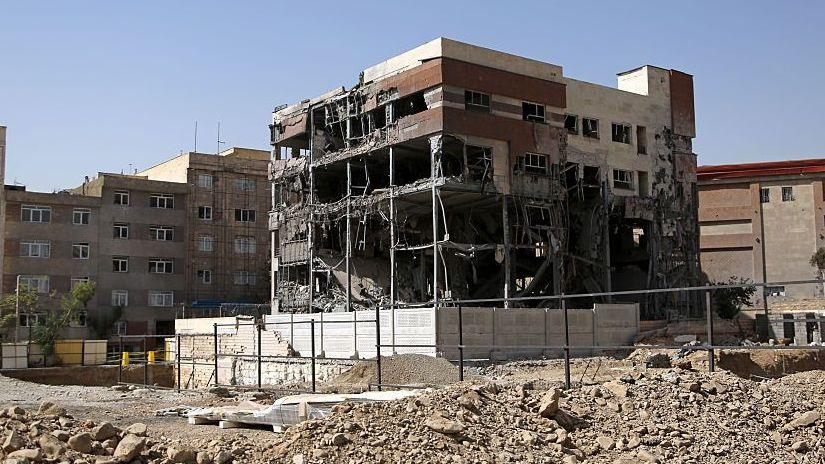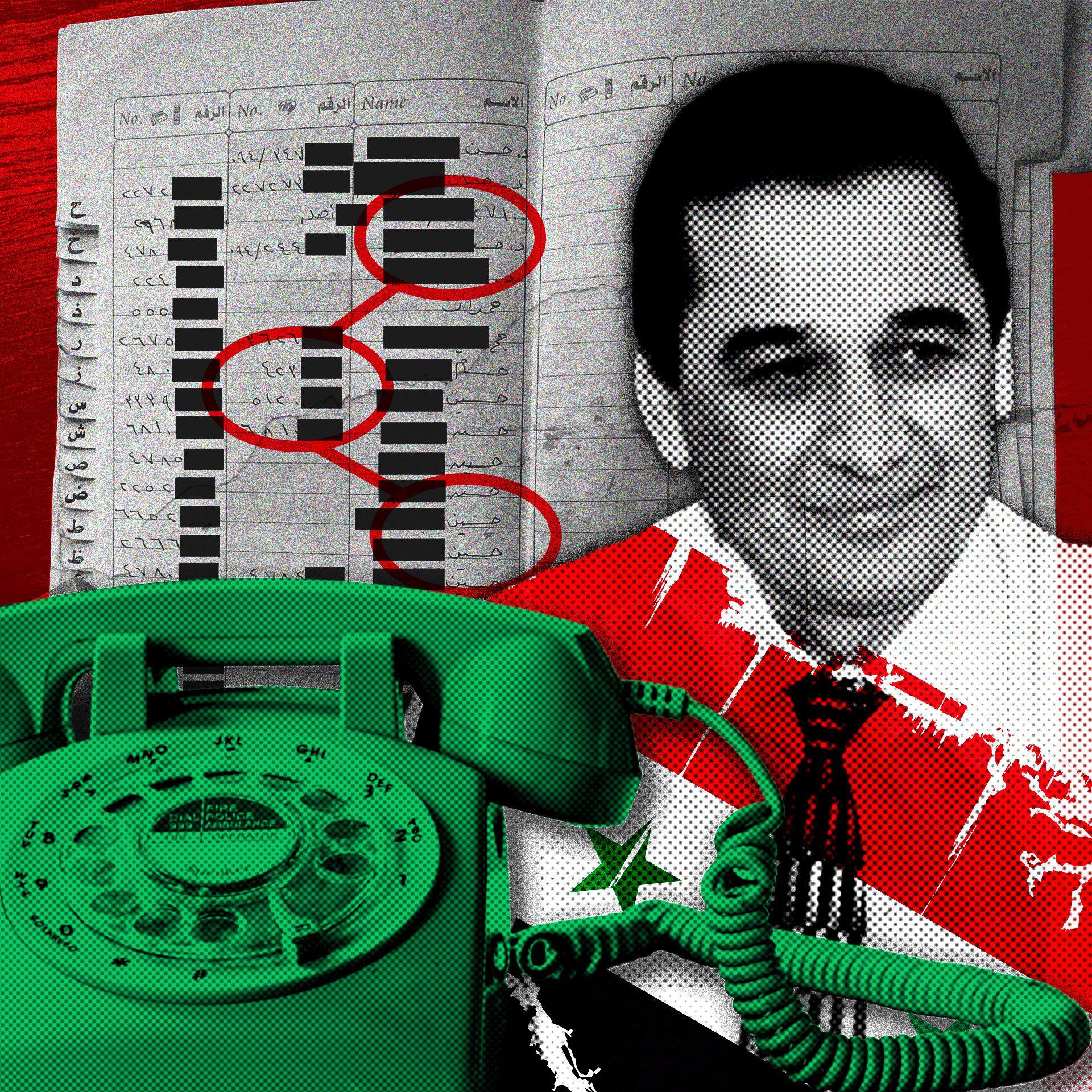
Spotlight on a hidden phone book—Deep inside a once luxury apartment in Damascus, a phone book full of names and numbers became the key to unraveling the story of Hussam Luka, the feared spy chief of Syria’s former president, Bashar al‑Assad.
The book, replete with contact details for doctors, soldiers and relatives, promised clues—but also a tangled map of political networks that spanned from Homs to Moscow. Reporters followed each line, trying to reach the listed people. Calls often were cut off, and many of those spoken to remained silent, hinting that Luka may have left the country quietly in December 2024.
The hunt led to an unexpected breakthrough: a guard in Luka’s apartment block, who combined a hardened pose and a refusal to cooperate, offered a number of the spy’s driver. That driver admitted he’d helped Luka flee to Lebanon, where a Russian passport under a different name would later prove the link to Moscow.
Several days of relentless dialing culminated in a shaky phone call that, when answered, was followed by a sudden silence. The voice on the line insisted he could not talk under threat, yet clues forced the BBC to conclude that Luka is likely in suburban Russia, far from the chaos that once defined his domain. Four attempted interviews ended with hung‑ups, leaving the question of justice hanging over a nation still reeling from a 2015 massacre that killed 28 people, including 17 children.
For Syria’s civilians, the stakes are clear: while the police in Moscow may refuse cooperation, the call to bring figures like Luka to account remains louder. The hunt for missing officials continues, with thousands calling for extradition and trials that could help heal a war‑scarred country.