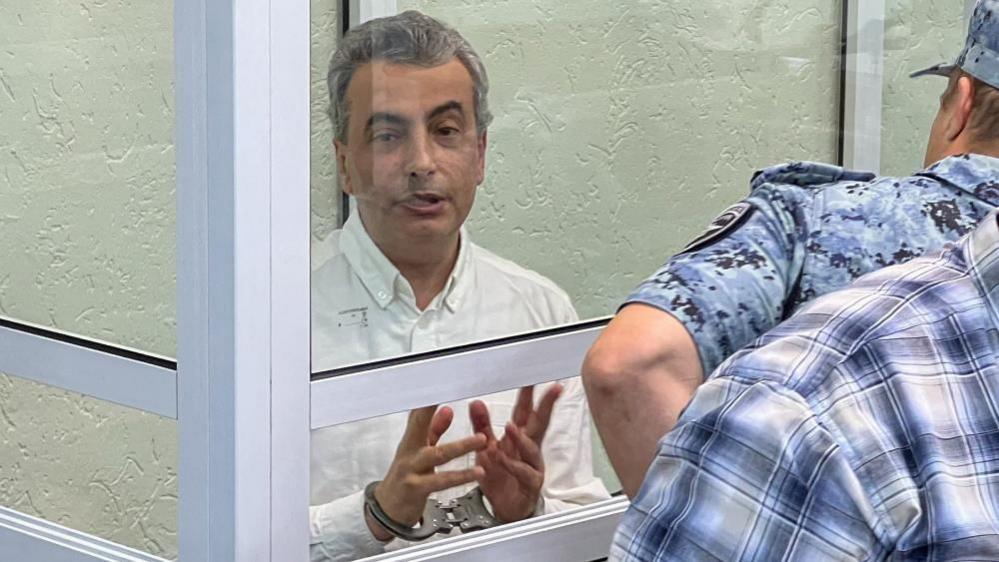
Russia’s prominent anti‑war politician, Lev Shlosberg, was sentenced to 11 years and one month in a penal colony by a court in Pskov for allegedly discrediting Russia’s armed forces and spreading false information.
Shlosberg, 63, condemned the verdict as a tool to punish him for his political position. He continues to vow a ceasefire and calls for political dialogue, rejecting the charges in his closing statement.
His liberal party, Yabloko, where he is deputy head, plans to appeal the ruling. Yabloko was the only registered party to oppose Russia’s full‑scale invasion of Ukraine – the party was recently barred from the September parliamentary elections by the Supreme Court.
The decision follows a broader crackdown on dissent. Public protests are repressed by wartime censorship laws, which can lead to hefty fines or lengthy jail terms.
Yabloko’s appeal was denied, while the party faces accusations from the pro‑Kremlin nationalist party Rodina alleging extremist support and copyright infringement – charges Yabloko rejects.
The Supreme Court’s rejection of Yabloko’s election bid comes as Russia’s state‑owned pollster VCIOM reports the ruling United Russia’s support dipped to 32.1% – the lowest figure since May.
While independent watchdogs have limited ability to monitor elections, the Kremlin’s resources are believed sufficient to secure desired results.