In brief
María Corina Machado finally crossed back into Venezuela after a decade of exile, welcome in a country that’s reshaped by a U.S. oil agreement. The former opposition leader’s return follows the Trump administration’s decision to allow her homecoming and the trade pact with a Venezuelan oil company. Venezuelans, especially the youth, flooded Caracas’s streets, seeing her return as a sign of hope and a chance to revive the stalled electoral process. Analysts note that the gesture could reinvigorate protests and appeal to a populace that has long feared speaking out. Meanwhile, the U.S. and Venezuelan officials eye new negotiations, hinting that Machado’s presence might influence the political balance.
After a decade in exile, opposition star María Corina Machado finally stepped back onto Venezuelan soil, greeted by a sea of supporters in the capital.
Her journey home was made possible only after the Trump administration lifted a travel ban and signed a 100‑year oil deal that gives the U.S. a huge stake in Venezuela’s oil fields. That pact, signed with the private firm North American Blue Energy Partners, has shifted the country’s foreign‑policy balance.
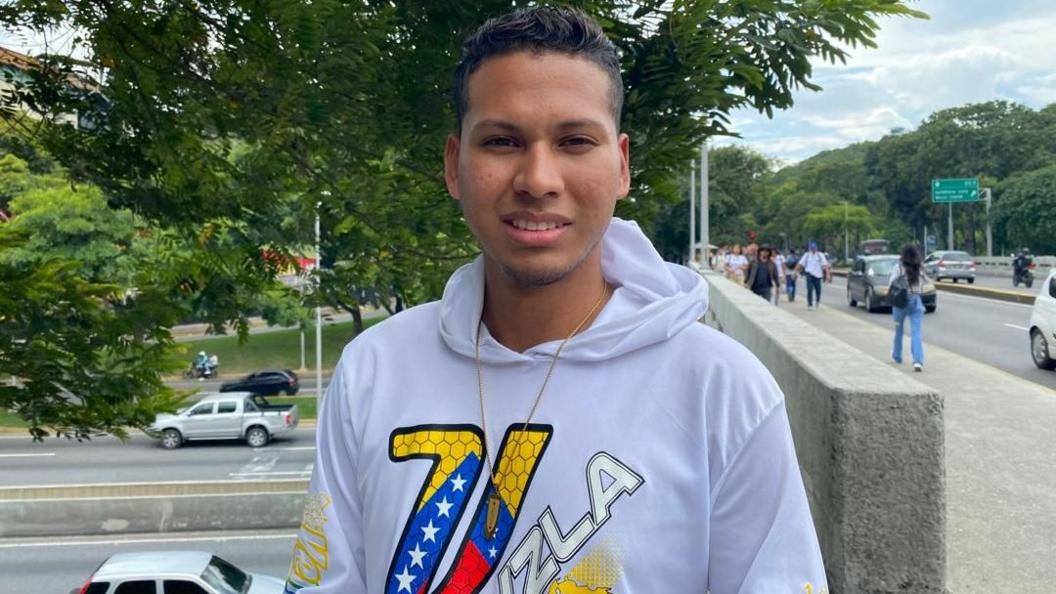
The crowd‑filled streets of Caracas turned political rally into a celebration. Teenager Hilary shared on social media that her “eyes were sparkling” when she finally saw Machado on her victory lap. Her friend Manuel added that “the whole country is behind her to show that now Venezuela isn’t scared.”
In recent months, protests have surged—according to a joint study by the think tanks Polis and Nexo, street protests in the first nine months of 2026 were three times higher than any time in 2025. The new government, led by former Vice‑President Delcy Rodríguez, has been praised for reducing repression by more than half.
Machado, still facing criminal charges in Venezuela, sees her return as a “step forward in the electoral process” that the country has awaited since 2025.
Political analyst Beningno Alarcon called Machado’s arrival the most significant event since a rumored January intervention. He notes that the opposition’s grassroots influence remains strong, and that U.S. diplomatic pressure will continue to shape decisions on energy and governance.
While Rodríguez has pledged to maintain dialogue with Washington, she faces internal pressure to accommodate U.S. interests in the oil sector. U.S. Secretary of State Marco Rubio has highlighted the “direct result of reconciliation talks” that allowed Machado’s safe return.
As the nation watches, young Venezuelans—many of whom held their first protest in years—are now hopeful that their voices will finally carry weight in shaping the future of their country.