In brief
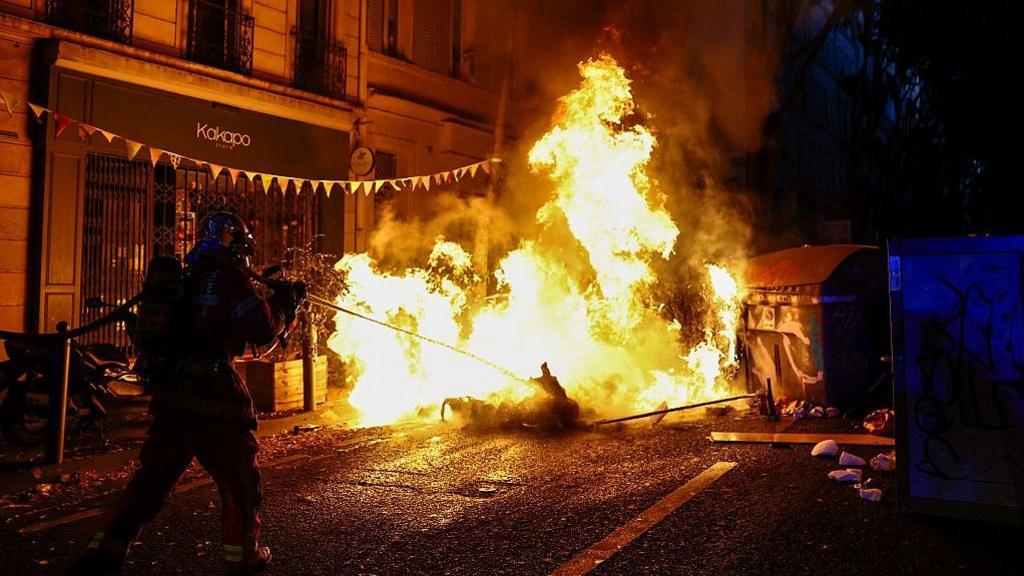
France’s latest wave of protests saw over 1,300 arrests as demonstrators took streets across the country, sparking clashes with police and the use of tear gas and water cannons. Thousands from cities like Paris, Marseille, Bordeaux, Lyon and Toulouse were involved, with 70,000 police officers deployed to keep the demonstrations from spiraling into chaos. Though demonstrations began peacefully, tensions rose as protesters erected barricades and, in some areas, set them on fire, prompting a robust police response that saw many officers hurt and two civilians seriously injured. The unrest comes as France heads toward its most polarised presidential election, with the opposition and government both pointing fingers at the other’s role in the turmoil.
The streets of France were a riot of anger and frustration this weekend, as more than 1,300 people were arrested in a flurry of protests that spread from Paris to Marseille, Bordeaux, Lyon and Toulouse. Police officers, about 70,000 strong, deployed tear gas and water cannons after protesters set makeshift barricades on fire and launched projectiles at officers – sparking an intense standoff in several cities.
Official reports say 53 police officers were injured, and two civilians – one a 20‑year‑old in Toulouse who lost fingers to a burst grenade – suffered serious harm. Despite the violence, the interior ministry said that an estimated 410,000 people marched on Saturday, though union figures put the number closer to 800,000.
The unrest follows weeks of student protests and rising living costs that have already shaken France. President Macron, who will leave office next spring, faces a polarised election: Marine Le Pen of the National Rally and Jean‑Luc Mélenchon of the France Unbowed front the most likely contenders. Both parties blame Macron’s policies for the turmoil, while union leaders defend the demonstrations as a response to increasing socio‑economic pressure.
Across Europe, parallels emerged: students in Barcelona and anti‑government demonstrators in Tirana and Brussels also saw police resort to tear gas; even Italy’s Milan pre‑empted a potential riot with a large security sweep. Meanwhile, a crowd of 13,000 joined a peaceful rally in Orléans against the far‑right National Rally, showcasing the country’s fractured political landscape.
Officials warn that curfews and additional policing measures may continue, as the nation braces for a decisive election that could reshape France’s political makeup for years to come.