Love, Adoption, and the Threat of Trafficking
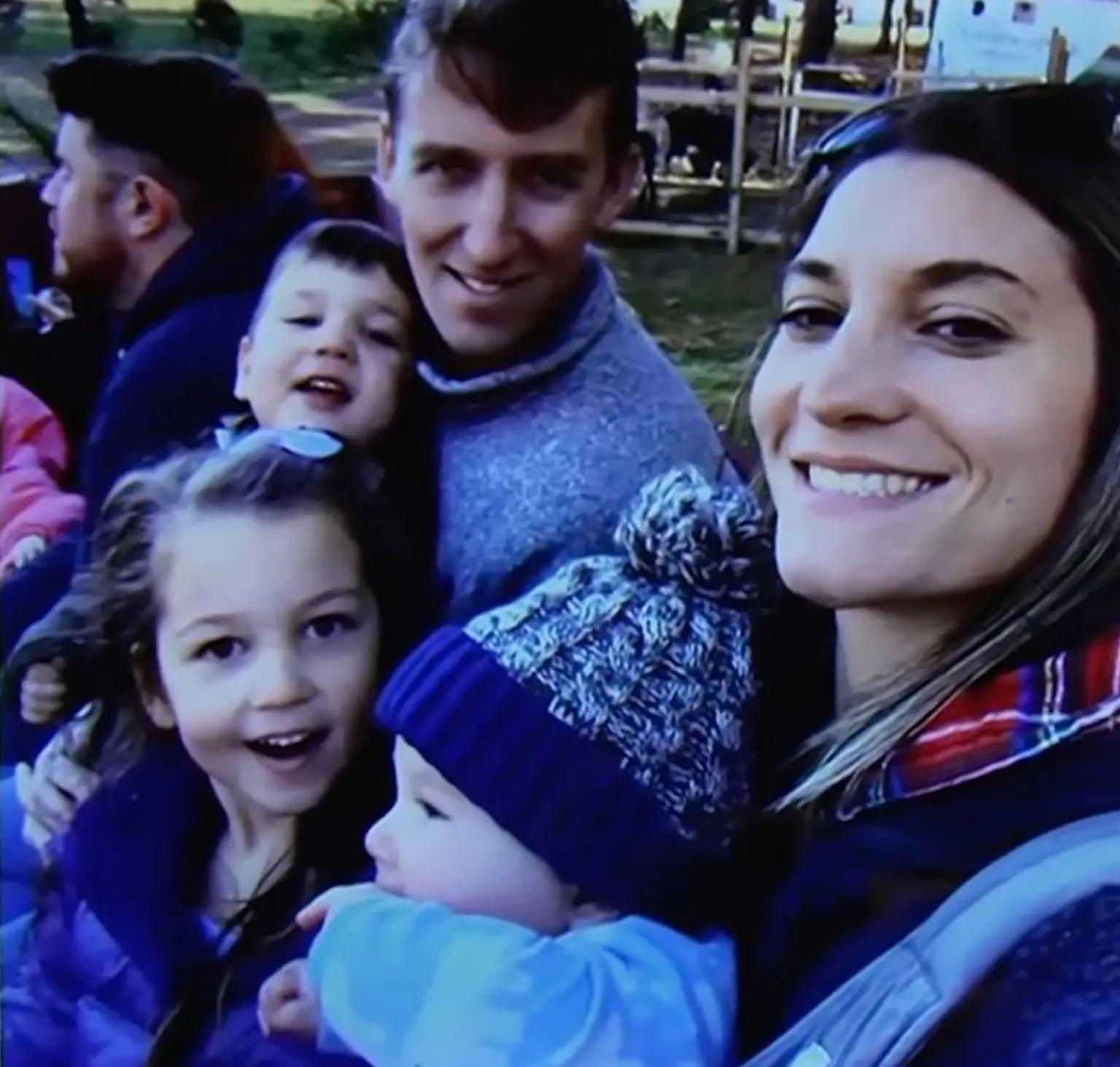
A Singapore couple, David and Ally, felt they had finally found their family after months of trying to adopt a child in their own country. A baby named Marcus, born in Indonesia, appeared on a video call and was promptly adopted. Months later, the Singapore administration halted Marcus’s citizenship application, citing possible trafficking into Singapore.
Lawyers and media reports indicated that at least 20 Indonesian babies may have been illegally traded to Singapore for adoption. Indonesian prosecutors have arraigned 19 people in West Java on charges of forging documents and purchasing babies for overseas “adoption.”
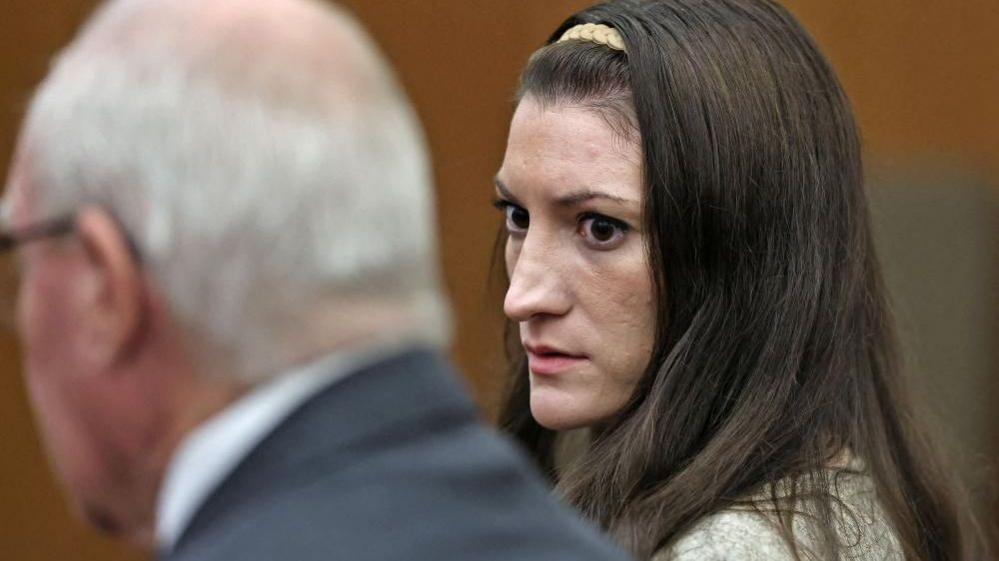
Among the accused is Lie Siu Luan, who allegedly ran a network that sourced infants from Facebook groups, arranged their care, and forged birth certificates.
The Heart‑breaking Reality
Now the fate of Marcus and other children hangs in the balance. Indonesian activists argue that the kids should be reclaimed by their biological parents, while their Singapore parents fear losing years of love and connection. Courts and ministries have yet to confirm whether Marcus is among the trafficked cohort, but evidence in court filings lists Marcus as one of the alleged victims.
The case underlines broader problems: poverty, lack of support for families, and a culture that sometimes views child adoption as a commodity. Experts say more robust child‑protective infrastructure, such as “baby boxes,” is essential to stop parents from feeling pressured to sell their babies.
If the trial ends with a decision that Marcus is trafficked, the child may be returned to Indonesia, which would force David and Ally to re‑apply for adoption. Meanwhile, Singapore authorities remain silent about any changes in policy.
For Drama enthusiasts:
More on this story