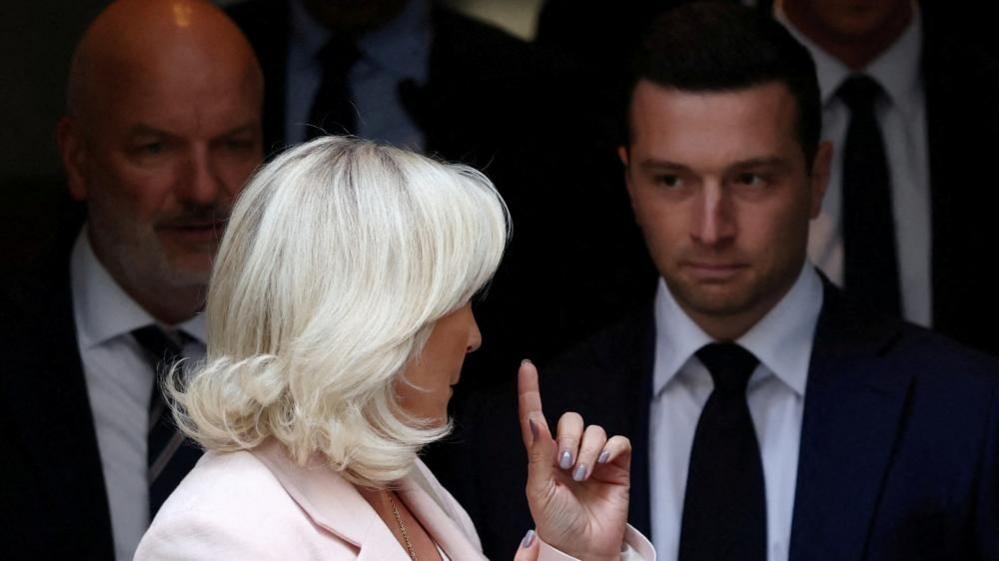
Le Pen hit the headlines after a Paris court confirmed her guilty verdict for misusing public funds. Within hours she declared her candidacy for the 2026 presidential election and kicked off a new online campaign called « Pour la France » featuring the tricolour flag and her smiling face, arms outstretched as a symbol of rebirth for the National‑Rally party.
Her bold “Renaissance” promise has ignited attention – critics call it a Trump‑style gamble, while supporters see it as a chance for a new generation of politics. A court‑shortened ban still allows her to run, yet she must accept an electronic ankle tag, a reminder to the electorate of the court's verdict – a factor that could influence voters in the final weeks of campaigning.
France, the EU’s second‑largest economy and a key political weight in Europe, is watching closely. If Le Pen wins, she would be France’s first conservative president since the 1930s and could reshape relationships with NATO, Brussels and the United States, possibly lowering defense spending and reducing support for Ukraine.