In brief
The textile sector in India is experiencing a slowdown as cheaper Chinese imports disrupt the market, leading to concerns about trade imbalances and competitiveness.
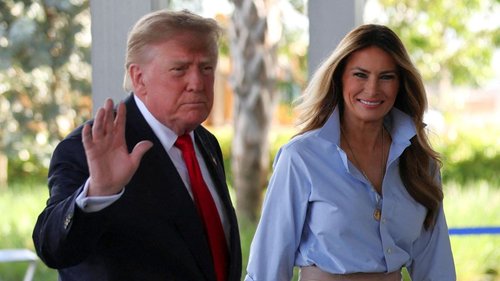
In southern India’s Tamil Nadu, the spinning mill of Thirunavkarsu, a 64-year-old businessman, has ground to a halt. Orders for viscose yarn—a key material in garment production—have plummeted by 40% in just a month. This drop is attributed to a surge of cheaper viscose yarn flooding Indian ports, with prices falling by 15 rupees ($0.18; £0.13) per kilo from Chinese producers. As U.S. tariffs of up to 145% on Chinese goods kick in under Donald Trump’s administration, manufacturers in China are seeking alternative markets. This has led to fears among Indian textile makers that they cannot compete with the lower foreign prices. Jagadesh Chandran of the South India Spinners Association noted that nearly 50 smaller textile mills are also reducing production.China’s Ambassador to India, Xu Feihong, assured that his nation would not engage in market dumping and expressed interest in purchasing more high-quality Indian products. However, anxiety continues to permeate various sectors in India, especially since much of the country’s industrial landscape is reliant on imports from China.With nearly 200 complaints filed against China at the World Trade Organization in 2024—including 37 from India—concerns over imports are increasing. India’s trade deficit with China has surged to $100 billion (£75 billion), with March imports reportedly rising 25% due to electronics, batteries, and solar cells.In response, India's trade ministry established a committee to monitor the influx of cheap goods and has enacted a 12% tax on some steel imports to protect its domestic industries. Nevertheless, the Indian government faces challenges in reducing reliance on Chinese products, with imports continuing to rise despite growing tensions between the two nations since 2020.While multinational corporations like Apple are shifting their manufacturing focus to India, the nation remains reliant on Chinese components for those products, exacerbating its trade deficit. As India’s competitive gaps persist, experts urge it to take advantage of the current global trade dynamics to enhance its manufacturing base and reduce dependency on imports.