In brief
As Trump sharpens his focus on China by imposing hefty tariffs, this move reflects not just retaliation but his aim to reshape global trading dynamics. With both nations at a crossroads, the future of trade hangs in the balance.
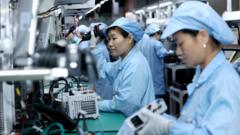
In a sudden pivot, Donald Trump is amplifying his trade war specifically against China, marking a shift from his previous broad approach. His decision comes amid a pause of higher tariffs on various nations, yet China faces a staggering 125% tariff on its goods, significantly impacting its trade, which constitutes around 14% of all US imports.This latest aggression is framed as a response to China's own retaliation, which includes an 84% tariff on American products; Trump brands this as a sign of disrespect. However, for the former president, this trade stance isn't merely about retaliation but rather rectifying unfinished business from his initial term, as he claims, “We didn't have the time to do the right thing, which we're doing now.”The motivation behind Trump's strategy aims to overturn the established global trade framework that favors China's dominance as the world's manufacturing hub. It challenges long-held beliefs about the benefits of increased trade, suggesting a more aggressive economic posture is necessary.Reflectively, the trade narrative began shifting before Trump ever embarked on his presidential journey. While there was a prevailing belief that deeper ties with China could usher in political reforms and transform it into a consumer-led economy, those expectations haven’t materialized.Instead, China's economic ambitions are now intertwined with national pride, aspiring to lead in various sectors with its “Made in China 2025” initiative. Trump has previously criticized this paradigm, blaming it for economic woes in the U.S. and for eroding jobs in Middle America.Despite some friction caused by tariffs, significant changes to China's trade model have yet to occur. China has now solidified its position as a powerhouse, producing a hefty 60% of the world’s electric cars and a significant percentage of their batteries. As Trump returns to the tariff battlefield, potential negotiations hinge on two pivotal questions: will China engage in talks, and if so, will they be willing to make drastic concessions? The possibility of negotiating remains uncertain given China's commitment to its export-driven economy.This presents a critical juncture for the U.S. as well. Does the U.S. still champion free trade? Trump’s bullish rhetoric suggests he views tariffs as beneficial in fostering domestic growth and shifting supply chains back to American soil. Such a stance raises concerns that a winner-takes-all mentality may not only redefine U.S.-China relations but also threaten the existing trade consensus, leading to a potentially perilous economic rivalry.