In brief
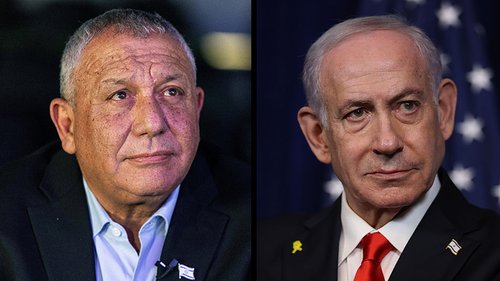
Israel’s most crucial election is underway, with incumbent Benjamin Netanyahu facing former army chief Gadi Eisenkot. Polls show a tight race that could determine Israel’s overseas strategy, especially regarding Gaza and the West Bank. A Netanyahu win might keep a hardline stance, while Eisenkot could bring a more negotiated approach. The outcome will affect not just regional security but also global diplomatic relations.
Israelis have gone to the polls in what feels like a showdown that could reshape the Middle East. The two front‑runners – long‑time PM Benjamin Netanyahu and former army chief Gadi Eisenkot – are neck‑and‑neck in last‑minute polls.
Both men want power, but they differ on how Israel will act on Gaza and the West Bank. Netanyahu’s history: tough on Hamas, frontier‑focused security. Eisenkot’s angle: more likely to open talks and push for a ceasefire.
What this means for you: the winner will set the tone for the next few months, influencing humanitarian aid, peace talks, and even your community’s view of global politics.
Quick facts straight from the frontline:
- Netanyahu could extend military push in Gaza.
- Eisenkot may seek diplomatic channels with Hamas.
- Both leaders face pressure from U.S. allies and regional partners.
- An outcome will ripple across protests, aid flows, and regional alliances.
Stay tuned for real‑time updates and quick videos that break down each campaign’s promises. The next chair in Israel’s cabinet could redefine the region’s balance for years to come.