In brief
Air pollution remains a neglected theme in Indian cinema and literature. While films like "Pink" touch on the issue, many creators fail to portray its devastating effects in compelling narratives. Experts urge for greater representation in storytelling to raise awareness and drive change.
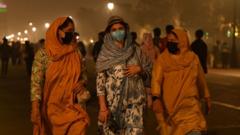
In the Bollywood blockbuster "Pink," Amitabh Bachchan's character is seen donning a mask against the backdrop of Delhi's smog—an image that underscores a pressing real-life issue: air pollution in India. However, such references are rare, and the topic remains largely absent from mainstream Indian pop culture, unlike other disasters that inspire films, such as floods. Siddharth Singh, author of "The Great Smog of India," highlights this lack of narrative as a significant failure in India's creative industries.Despite frequent news coverage and political debates around air pollution, much of the discourse exists within academic circles, leaving the average person disconnected. Amitav Ghosh, in his writings, echoes this sentiment, suggesting that the everyday reality of climate change has become normalized, making it challenging to craft engaging stories around it.Documentaries like "All That Breathes" have begun to delve deeper into the impact of pollution, focusing on the connection between climate change and daily life through the eyes of two brothers helping injured black kites. Filmmaker Shaunak Sen emphasizes that such films should convey their messages subtly rather than preach to audiences.Nila Madhab Panda, known for his extensive work on environmental issues, notes that storytelling can bridge this gap and resonate with wider audiences. He points to his courtroom drama about a couple debating whether to stay in pollution-ridden Delhi as an example of how art can address tough themes while remaining engaging.Unfortunately, creating relatable narratives proves difficult, particularly as many writers may not experience the effects of pollution directly. Singh argues for the importance of humanizing environmental issues, by sharing personal stories of those affected. Social media has stepped in to fill the void, with memes capturing the harrowing reality of air quality in relatable contexts, but more needs to be done to drive meaningful change in representation and awareness.As the conversation continues, experts hope that engaging stories through various mediums can spark action and policy change regarding India's air pollution crisis.