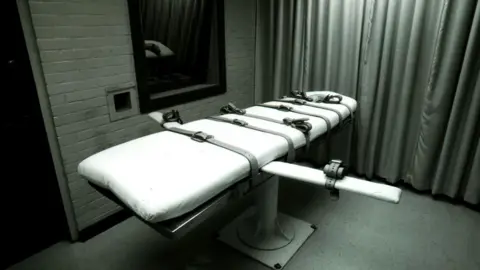
The US Department of Justice (DOJ) has directed federal prisons to expand the range of methods used for executions to include firing squads, gas asphyxiation, and electrocution. In a 48-page memo released on Friday, the department states this will 'strengthen' the death penalty, 'deterring the most barbaric crimes, delivering justice for victims, and providing long-overdue closure to surviving loved ones'. The previous administration had placed a moratorium on most federal executions. Before leaving office, former president Joe Biden granted clemency to 37 of 40 federal death row prisoners. President Donald Trump reinstated the push for executions on his first day in office last year. The memo also defends lethal injection, deeming pentobarbital as 'the gold standard of lethal injection drugs', which has been criticized as cruel and is facing sourcing challenges. The DOJ believes that broadening execution methods will prepare them for future legal executions. Trump, a long-time death penalty supporter, has been instrumental in the return of federal executions, claiming the previous administration failed to protect Americans from dangerous criminals. However, critics like Democratic Senator Dick Durbin call this expansion 'cruel, immoral, and discriminatory', stating it will be a stain on American history. Some states have turned to alternative methods already, such as Alabama using nitrogen gas as a means of execution.
US Expands Death Penalty Methods: Firing Squads and Gas Executions Reintroduced
US Expands Death Penalty Methods: Firing Squads and Gas Executions Reintroduced
The US Department of Justice has authorized new execution methods, including firing squads and gas asphyxiation, to strengthen the death penalty system.
The US Department of Justice (DOJ) has announced an expansion of execution methods for federal death penalties to include firing squads, gas asphyxiation, and electrocution. This decision, outlined in a recent memo, aims to strengthen the death penalty system and ensure that lawful executions can occur even if certain execution drugs become unavailable. Previous administrations had restrictions on federal executions, but the current DOJ argues that the change is necessary to deliver justice for victims of heinous crimes. Critics, including Democratic Senator Dick Durbin, describe the move as 'cruel' and a troubling expansion of capital punishment.