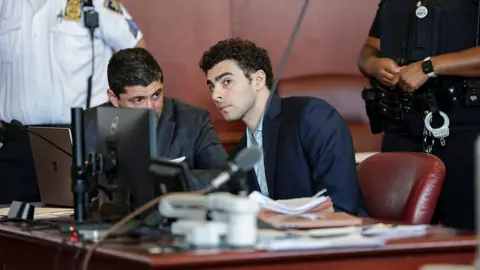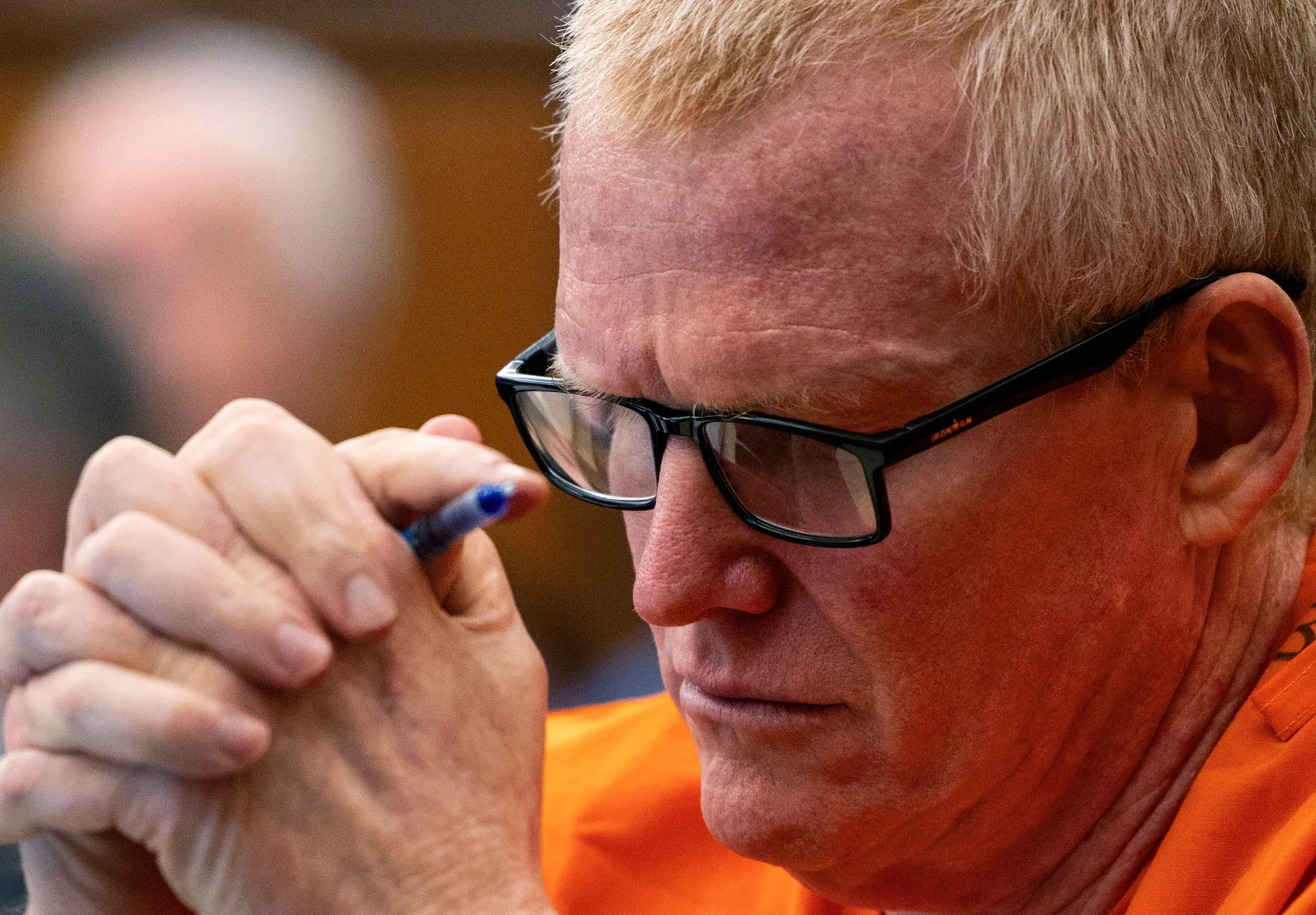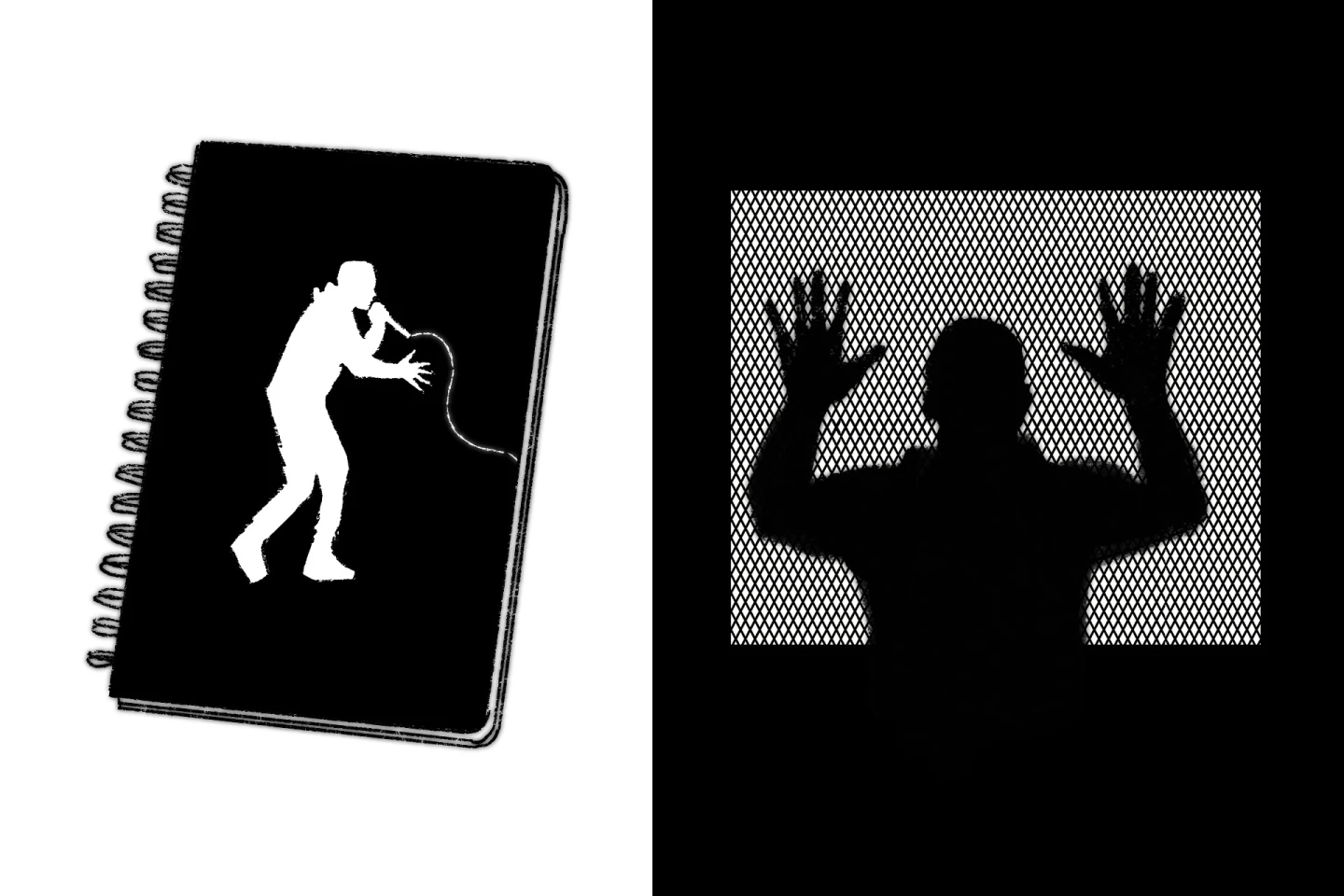
James Broadnax, sentenced to death, has his rap lyrics used against him in court as evidence of criminal intent. This case is part of a vast trend where rap songs are often wrongly interpreted as autobiographical confessions instead of artistic creations. Scholars argue that this practice is harmful, particularly towards young men of color, who may not only lack resources but are also subject to racial biases from juries.
Experts, including Erik Nielson, co-author of 'Rap on Trial', highlight that the portrayal of rap as mere autobiography reduces its literary value and perpetuates negative stereotypes. They stress that rap lyrics have often been used in cases across the U.S., with around 700 instances documented in the past decades.
Despite some juries viewing rap lyrics as evidence of wrongdoing, studies show an evident double standard in how lyrical content is judged based on genre. For example, lyrics from country or rock music are often accepted strictly as artistic expression, while rap lyrics are treated as admissions of guilt.
This discrepancy highlights the urgent need for legislative reform in how courts handle artistic expressions. Efforts have begun in various states to establish laws that protect artists and ensure fair representation in trial conditions. The dialogue surrounding the sensitive intersection of race, art, and justice continues to evolve, sparking discussions about the necessity of protecting creative voices in judicial systems.